US Tariffs May Worsen Forced Labor, Experts Warn
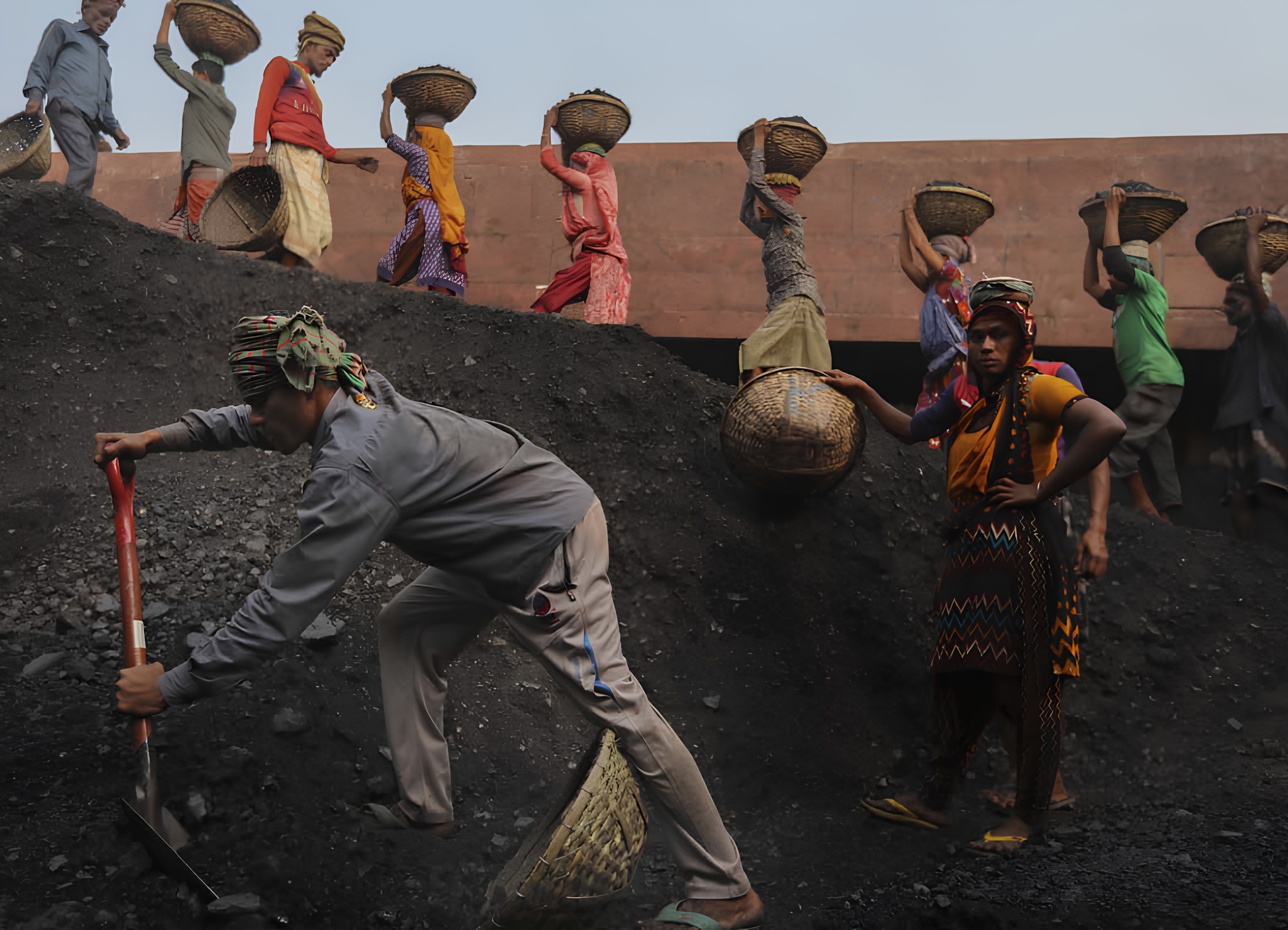
The United States has imposed a 12.5% tariff on Brazilian products, citing the need to combat forced labor in global supply chains. The US government claims Brazil and 85 other nations lack sufficient mechanisms to prevent goods produced under exploitative conditions from entering their markets. However, specialists, the Brazilian government, and international organizations warn that these trade restrictions could inadvertently worsen the very problem they aim to address.
According to the International Labour Organization (ILO), poverty and vulnerability are key drivers of forced labor. Restricting market access can increase poverty, thereby exacerbating the conditions that lead to exploitation. The Brazilian government, in a submission to the US Trade Representative's Office (USTR), argued that trade barriers do not strengthen oversight, improve supply chain traceability, or facilitate the international cooperation necessary to tackle forced labor effectively. While targeted penalties against specific companies or goods proven to involve forced labor can incentivize behavioral changes, broad measures affecting entire countries or sectors without distinguishing compliant businesses from non-compliant ones tend to have unpredictable outcomes. The new US tariffs fall into this latter category, potentially leading to reduced investment, job cuts, and lower incomes, which in turn can increase the conditions favoring worker exploitation in impoverished regions.
The ILO estimates that around 28 million people worldwide are currently in forced labor situations, and Brazil itself has rescued over 65,000 workers from slavery-like conditions since 1995. Brazil has implemented initiatives like the "Chain Reaction" project by the Public Prosecutor's Office of Labor (MPT) to trace supply chains and identify companies involved in human rights violations, with over R$ 48 billion in business linked to slave labor cases identified. Despite Brazil's robust internal efforts and international recognition in combating slave labor, a regulatory gap exists concerning the oversight of imported products and foreign suppliers, which is the specific area the US has targeted. Critics question the US measure's effectiveness and intent, noting the absence of concrete cases of Brazilian goods produced under forced labor reaching the US market and the exclusion of key Brazilian export sectors like beef and coffee from the tariffs, suggesting the measures may be influenced by domestic US economic and political considerations rather than a genuine commitment to eradicating forced labor.
The US imposition of tariffs on Brazilian goods, framed as a measure against forced labor, presents a complex policy dilemma. While the stated goal of eradicating exploitative labor practices is laudable, the chosen method of broad-based tariffs may create unintended consequences. Economic theory suggests that such tariffs can disproportionately harm vulnerable populations in the targeted country by reducing export revenues, leading to job losses and increased poverty, which are known drivers of forced labor. This creates a potential feedback loop where the policy exacerbates the problem it seeks to solve. Furthermore, the selective application of tariffs, excluding certain key sectors, raises questions about the policy's genuine objectives, suggesting potential influence from domestic economic interests or geopolitical considerations rather than a purely humanitarian concern. Effective strategies for combating forced labor typically involve targeted interventions, enhanced supply chain due diligence, international cooperation, and strengthening domestic enforcement mechanisms, rather than blunt trade restrictions that can inflict widespread economic hardship.
AI-generated to prompt reflection — not editorial opinion, not advice, not a statement of fact. How this works.