US Tariffs on Brazil: Allies of Flávio Bolsonaro Feared Impact on Campaign
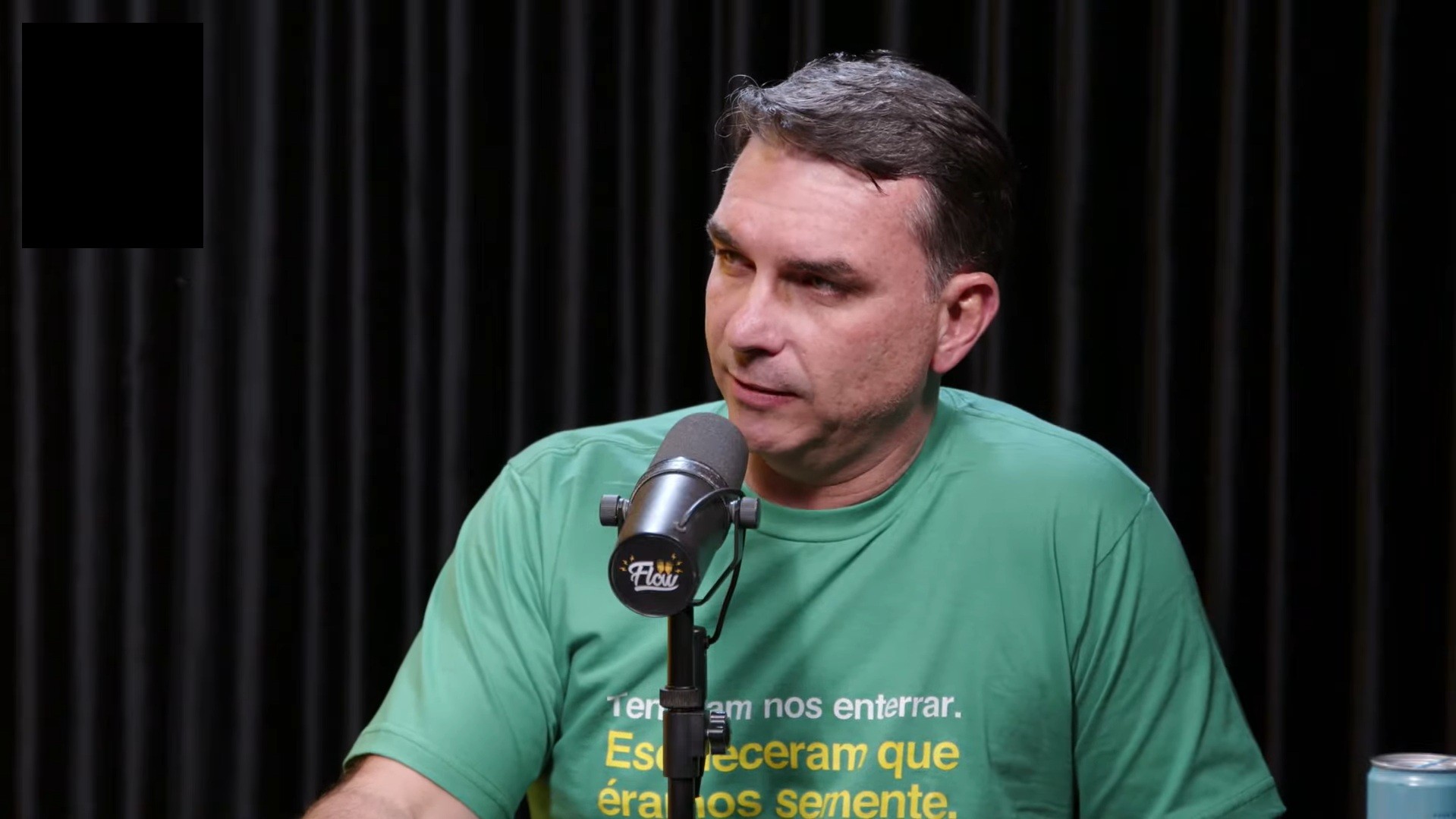
Allies of Brazilian pre-candidate Flávio Bolsonaro had hoped for a delay in the imposition of new US tariffs on Brazilian products. However, the Office of the United States Trade Representative (USTR) confirmed on Wednesday, May 15th, that an additional 25% tariff will be applied to a broad range of Brazilian goods, with an extensive list of exemptions. This measure is scheduled to take effect on July 22nd. The decision stems from a year-long trade investigation by the USTR under Section 301 of the Trade Act of 1974, a mechanism designed to address potential trade barriers imposed by other countries. Had the tariffs been postponed, Flávio Bolsonaro, son of former President Jair Bolsonaro, had prepared a narrative claiming credit for averting the tariffs through discussions with Donald Trump and his administration. This strategy was even documented in a letter sent by the Senator to the US government. Currently, Flávio Bolsonaro is attempting to attribute the tariffs, imposed under the Trump administration, to President Lula's current government. He has asserted on social media that the US decision is a consequence of the current administration's negotiation failures. Bolsonaro responded to a post by US Secretary of State Marco Rubio, who criticized Brazil's policies as detrimental to both Americans and Brazilians and accused Lula of not negotiating in good faith. However, public opinion, as reflected in a Quaest poll, does not support this view. The majority of Brazilians perceive the tariffs as harmful to the country and lean more towards supporting President Lula on this issue. The poll also indicated that the tariffs increase the likelihood of voting for Lula while decreasing it for the PL pre-candidate. When asked who instigated the tariffs, 51% agreed with Lula's version that Flávio Bolsonaro requested sanctions against Brazil from Trump, while 30% supported Flávio's claim that Lula provoked the US. Regarding the reason for the tariffs, 49% sided with Lula's assertion that the measure was retaliation for Pix, compared to 33% who accepted Flávio's explanation that the tariffs were a response to presidential statements against the US. This represents a shift from June, when the split was 46% to 36%. Privately, Bolsonaro's allies acknowledge that this issue is damaging to the senator and ideally would disappear from the news cycle quickly. Nevertheless, it is expected to resurface during the campaign, as President Lula's team plans to leverage it.
The USTR's decision to implement additional tariffs on Brazilian goods, effective July 22nd, introduces a complex dynamic into Brazil's political landscape, particularly impacting the campaign of pre-candidate Flávio Bolsonaro. While Bolsonaro's allies sought a delay, potentially to claim credit for averting negative economic consequences, the USTR's action has instead created an opportunity for the current administration to frame the issue as a result of past or present governmental failures. Public opinion data suggests a majority view the tariffs as detrimental to Brazil and are inclined to attribute responsibility to the current government or its predecessors, potentially benefiting President Lula. The narrative battle over the tariffs highlights the strategic importance of economic policy and international trade relations in electoral contests. Moving forward, the actual economic impact of these tariffs on Brazilian businesses and consumers will likely become a more significant factor in shaping public perception and electoral outcomes, irrespective of the political framing employed by different campaigns.
AI-generated to prompt reflection — not editorial opinion, not advice, not a statement of fact. How this works.