US Tariffs on Brazil: Brazil Awaits Decision to Calibrate Reaction
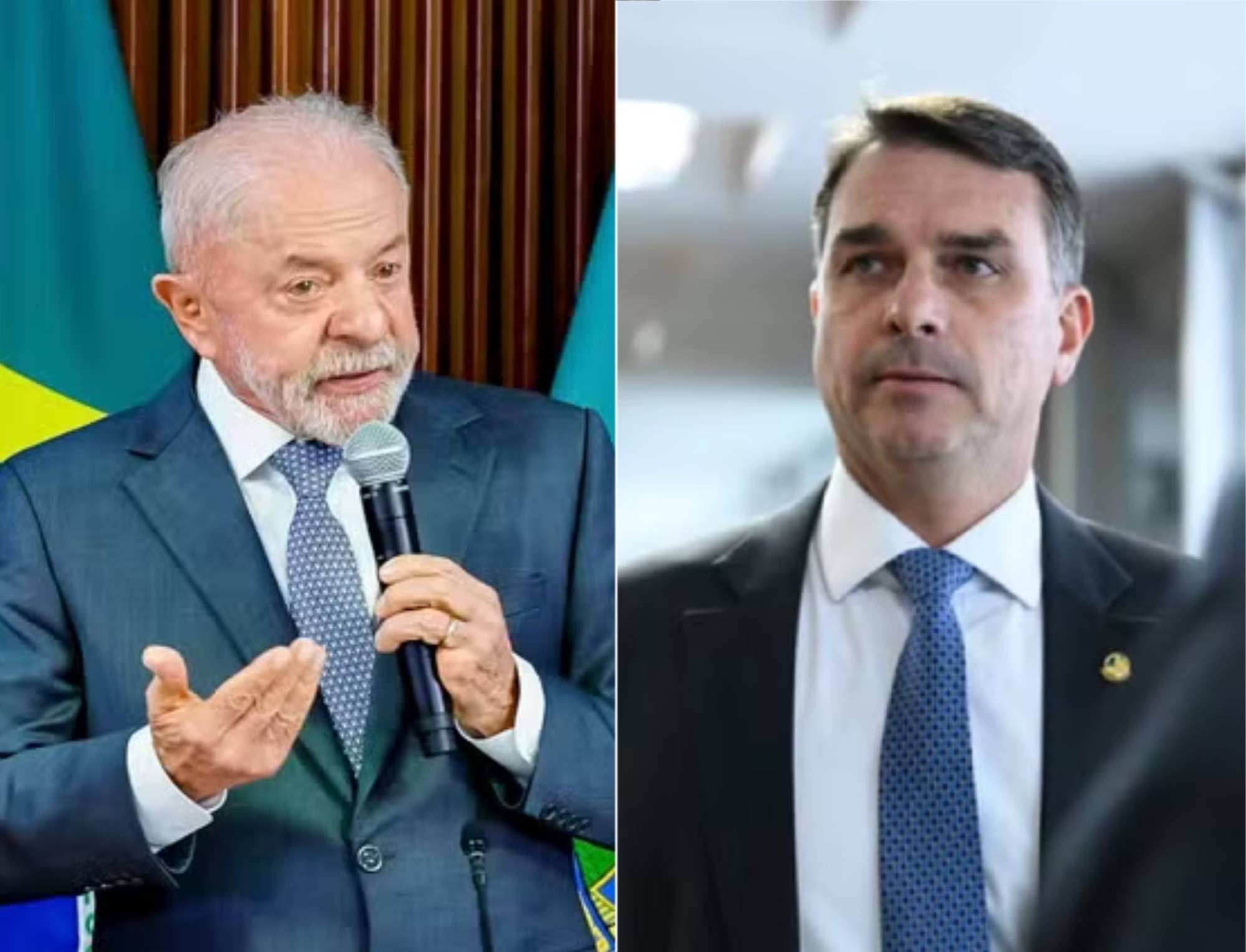
The Brazilian government is awaiting the United States' decision on implementing new tariffs of 25% and 12.5% on Brazilian exports, set to be announced by Wednesday, July 15th. This decision by the Trump administration will determine the scope of Brazil's reaction. President Luiz Inácio Lula da Silva's team anticipates the confirmation of these tariffs, a scenario reinforced by a US Commerce Department representative stating that an agreement is still distant. However, Brazilian negotiators believe the State Department might modify the 25% tariff decision by expanding the list of exceptions. American companies reliant on Brazilian imports have also lobbied Washington, arguing that domestic substitutes are unavailable for certain products. Brazil's Ministry of Foreign Affairs has identified 43 American companies and trade associations urging that Brazilian products be exempted from these surcharges. If the tariffs are confirmed, Brazil's immediate response will likely be an official expression of "indignation," consistent with President Lula's public statements and the Foreign Ministry's previous responses, which argued that Brazil's tariff structure already favors US exports. Brazil's government plans to label any new taxation as "unacceptable" and will analyze the decision to assess negotiation possibilities or the activation of the Reciprocity Law. This law, passed in April of the previous year and regulated by President Lula, allows Brazil to retaliate against countries imposing barriers. Brazilian diplomacy believes President Lula will not seek direct negotiations with Trump at this juncture. The Lula administration considers a postponement of the tariffs unlikely, given the US industrial policy focus on tariffs and the lack of concessions to other nations. The US signaled that the July 15th deadline was "inflexible." A postponement, if it occurred, would likely come with a justification, preventing a narrative dispute. Brazil did not formally request an extension, deeming the tariffs unfair, but would welcome a delay, especially if motivated by economic reasons or the need for continued negotiations. Senator Flávio Bolsonaro has advocated for a postponement, suggesting the decision be made after the elections, arguing it would benefit Lula. Some Brazilian diplomatic sources privately suggest that an ideological faction within the US government might interfere in Brazil's elections, potentially at the cost of the State Department's credibility. A delay could also serve as a political signal to Senator Bolsonaro, providing him campaign material and acting as a political gesture from President Trump. This follows Trump's recent meetings with both Lula and Bolsonaro. This situation echoes a year ago when Trump announced a 50% tariff on Brazilian products in a letter to Lula, defending former President Jair Bolsonaro and escalating trade tensions.
The US decision on tariffs presents a complex trade and diplomatic challenge for Brazil, influenced by domestic political considerations in both nations. The potential tariffs, framed by the US under various pretexts including environmental and labor concerns, could disrupt established trade flows and trigger retaliatory measures under Brazil's Reciprocity Law. The involvement of American businesses highlights the intricate economic interdependencies that often complicate protectionist policies. Furthermore, the timing of these decisions, occurring amidst electoral cycles in both countries, suggests that geopolitical and domestic political incentives may outweigh purely economic rationales. Future trade relations will likely depend on the ability of both governments to navigate these competing interests, potentially through negotiated exceptions or reciprocal adjustments, while managing public perception and avoiding escalation into broader trade disputes.
AI-generated to prompt reflection — not editorial opinion, not advice, not a statement of fact. How this works.