US Tariffs on Brazil: Ethanol, Sugar, and Trade Deals Cited as Justifications
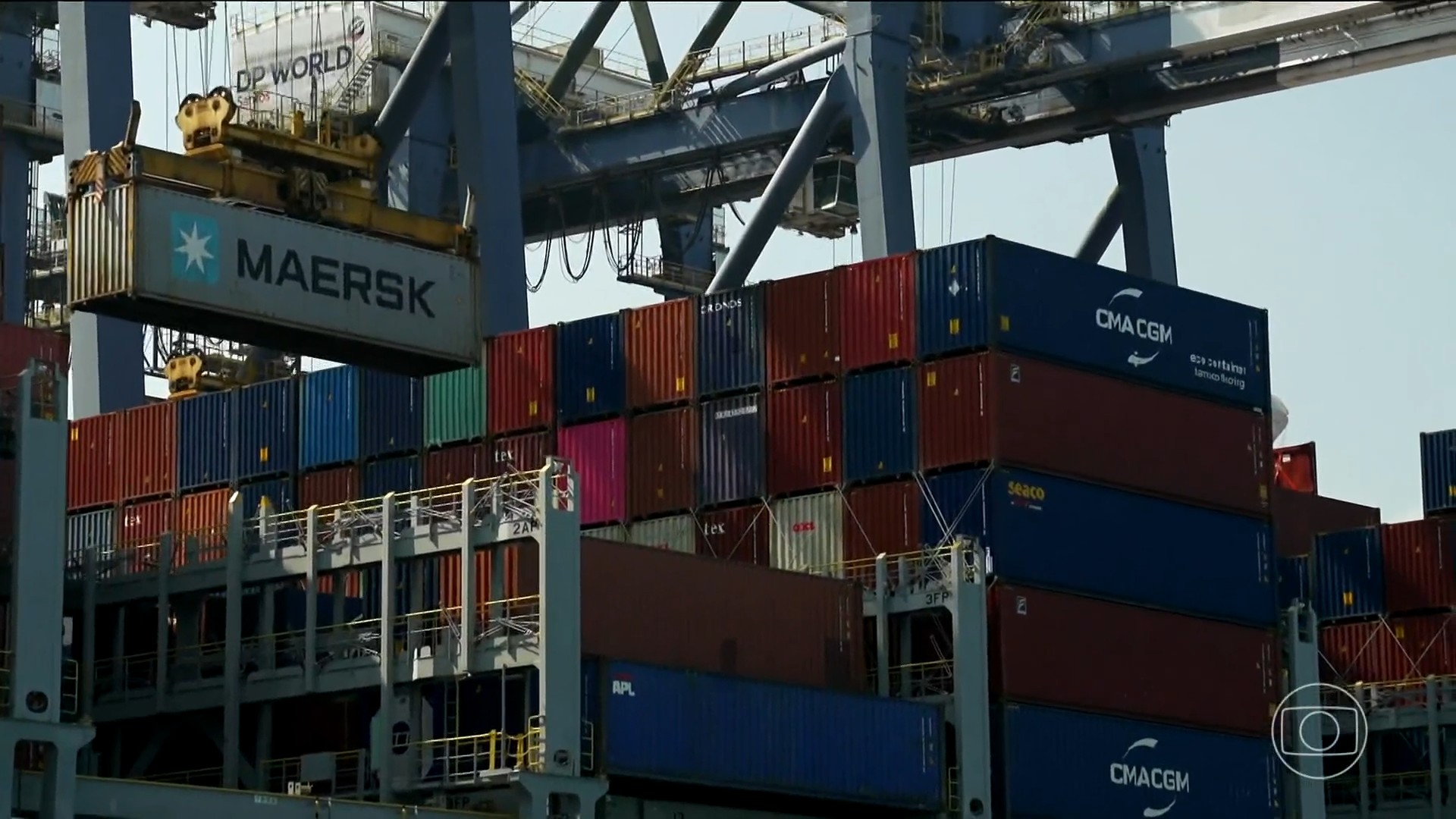
The United States has cited ethanol, sugar, and existing trade agreements as key justifications for imposing new tariffs on Brazilian products. The U.S. Trade Representative's Office (USTR) claims Brazil "abruptly halted previously balanced tariff treatment for ethanol," failing to reciprocate U.S. tariff reductions. This dispute has a long history, dating back to 2010 when Brazil reduced import tariffs on U.S. ethanol to zero in exchange for better access for Brazilian sugar to the U.S. market. However, Brazil later reinstated tariffs on U.S. corn ethanol, citing pressure from domestic producers and increased domestic production, particularly of corn ethanol, reducing import needs. Brazil's Vice President Geraldo Alckmin stated that any discussion on reducing U.S. ethanol tariffs would require including Brazilian sugar in the negotiations, as the two commodities are linked. Brazil argues that while the U.S. seeks greater access for its ethanol, it maintains limitations on Brazilian sugar imports, with Brazil allowed to export only 155,000 tons annually under a reduced tariff quota, a volume considered small by Brazil. The U.S. also points to Brazil's preferential tariff treatment for hundreds of Mexican and Indian products, including automobiles from Mexico, arguing that U.S. vehicles face higher tariffs entering Brazil than Mexican ones. The Brazilian government counters that these agreements were negotiated through Mercosul and are intended for trade between developing countries. Industry representatives and trade experts note that while Brazil's average effective tariff on U.S. products is low, extending preferential treatment to the U.S. could have broader implications under WTO rules, potentially benefiting other member countries like China.
The imposition of U.S. tariffs on Brazilian goods, framed around ethanol and sugar trade imbalances, highlights the complex interplay of domestic industry protection and international trade negotiations. The U.S. justification, focusing on reciprocal tariff treatment, appears to overlook the broader context of global supply chains and differing economic development stages. Brazil's counter-argument, linking ethanol and sugar access and citing preferential agreements with developing nations, suggests a strategic approach to leverage existing trade blocs. This situation underscores the challenge of harmonizing trade policies in a multipolar world, where national economic interests often clash with multilateral trade principles. Future trade relations will likely depend on the ability of both nations to find a balance that acknowledges these divergent priorities, potentially through structured dialogues that consider sectoral impacts and long-term economic cooperation rather than unilateral tariff actions.
AI-generated to prompt reflection — not editorial opinion, not advice, not a statement of fact. How this works.