US Tariffs on Brazil: Humanitarian Pretext or Trade Strategy?
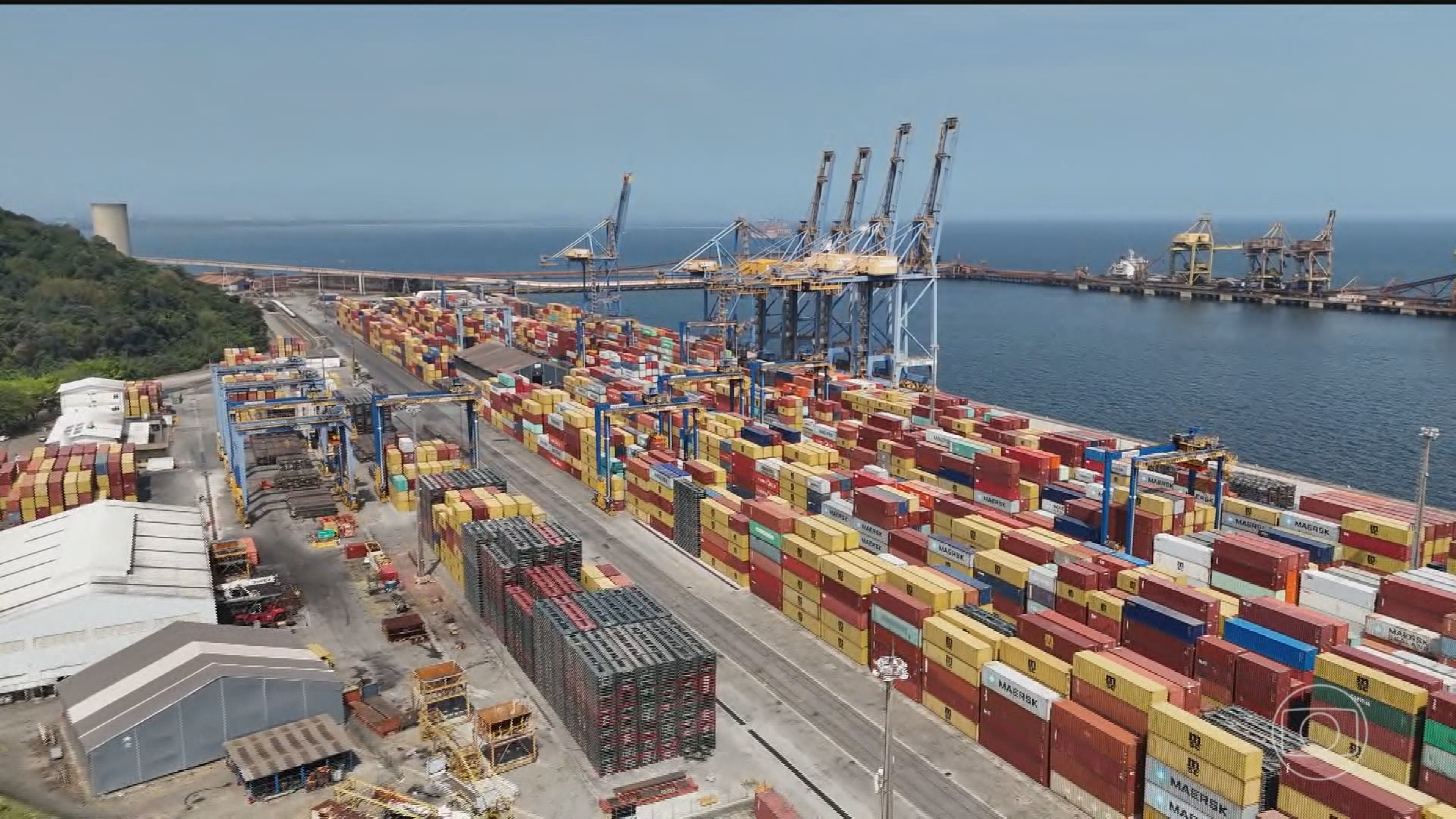
The United States has imposed a new 12.5% tariff on Brazilian products, potentially raising the total tariff on some items to 37.5% when combined with previous measures. The stated justification for this new charge is Brazil's alleged insufficient measures to prevent the import of goods produced with forced labor. This action affects 58 other countries and the European Union as well. However, international trade experts and Brazilian authorities question whether this move genuinely combats modern slavery or serves as a cover for commercial and geopolitical strategies. Investigations into Brazilian products have reportedly not identified concrete cases of forced labor linked to goods entering the U.S. market. Notably, sectors in Brazil historically associated with forced labor, such as cattle ranching and coffee cultivation, have been largely excluded from the new tariffs. Analysts suggest this trade offensive coincides with strategic timing for Washington, following legal setbacks in tariff policy and aligning with broader goals to protect U.S. industry and reorganize supply chains. Some experts believe the measure is also linked to economic competition with China, potentially forcing other nations to adopt U.S. standards that could restrict Chinese components. While the issue of forced labor is globally significant, with the International Labour Organization (ILO) estimating 28 million people affected worldwide, critics question the effectiveness and true objectives of the U.S. approach. The U.S. Trade Representative's (USTR) investigation, under Section 301 of the Trade Act, argues that Brazil and others have failed to implement adequate mechanisms to block forced labor products. Yet, data indicates the U.S. itself imports a significantly higher value of goods potentially at risk of forced labor. The exclusion of key Brazilian export sectors from tariffs, despite their documented issues with forced labor, further fuels skepticism about the humanitarian claims, suggesting the tariffs may be politically motivated to avoid impacting U.S. consumer prices.
The U.S. imposition of tariffs on Brazilian goods, framed around combating forced labor, warrants scrutiny beyond its stated humanitarian intentions. While forced labor is a critical global issue, the selective application of these tariffs, exempting sectors with documented concerns and excluding concrete evidence of affected U.S. imports, suggests a strategic use of trade policy. This approach may serve to advance U.S. geopolitical objectives, particularly concerning economic competition with China, by pressuring trade partners to adopt U.S. regulatory standards. Such extraterritorial application of domestic policy can create complex compliance burdens for other nations, potentially disrupting global supply chains and fostering trade disputes. The long-term impact hinges on whether these measures genuinely elevate global labor standards or become a tool for protectionism and strategic economic leverage, potentially undermining multilateral trade frameworks and the very humanitarian causes they purport to serve.
AI-generated to prompt reflection — not editorial opinion, not advice, not a statement of fact. How this works.