US Tariffs on Brazil: PIX Payment System Becomes a Trade Dispute Pretext
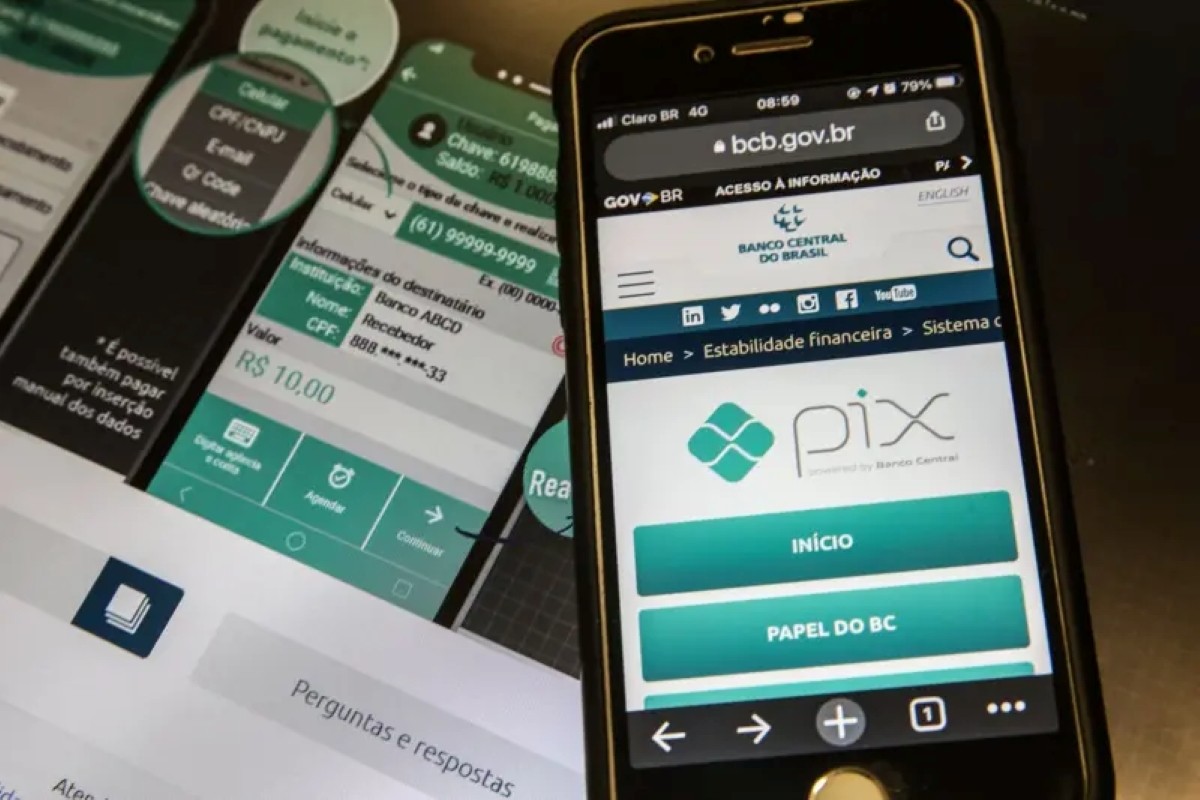
Brazil's PIX instant payment system, widely adopted by small businesses for its immediate fund transfers and reduced costs, has become a point of contention in a trade dispute with the United States. The Trump administration included PIX among its justifications for imposing a 25% tariff on Brazilian exports to the U.S., alleging that the system unfairly disadvantages American payment companies. According to the U.S. Trade Representative's Office (USTR), PIX's structure, being created and operated by the Central Bank of Brazil, grants it advantages unavailable to private firms. In Brazil, however, PIX's success is attributed precisely to these factors: cost reduction, elimination of intermediaries, and real-time fund availability, which significantly aids small businesses' cash flow management. A Sebrae survey indicates that 59% of small business owners consider PIX their primary payment method, with many MEIs (Micro-entrepreneurs) relying on it for a substantial portion of their revenue. Experts argue that while PIX has transformed the payment market, it does not constitute unfair practice, as other payment methods, including credit cards, continue to operate and grow. The USTR's investigation labels Brazilian practices as "unjustifiable and discriminatory," citing the Central Bank's dual role as regulator and operator, and the system's lack of profit motive as key issues. Despite U.S. claims, Brazilian officials state the intention is not to abolish PIX but to ensure fair competition. Beyond the immediate payment card sector, speculation suggests U.S. concern may extend to the potential of PIX Internacional, Brazil's initiative for cross-border payments, possibly impacting the dollar's global financial dominance, particularly within blocs like BRICS.
The U.S. imposition of tariffs, citing Brazil's PIX payment system as a pretext, highlights the complex interplay between national economic policy, technological innovation, and international trade relations. From a systemic perspective, PIX's success stems from its design as a public utility, offering efficiency and cost savings that disrupt established private payment networks. The U.S. argument, focusing on potential competitive disadvantages for its firms, reflects a concern over market access and the influence of state-backed infrastructure. This situation underscores a broader trend where advancements in digital finance, particularly those with strong central bank involvement, can create friction by challenging existing global financial architectures and the dominance of established currencies. The long-term implications may involve a push for greater interoperability or, conversely, a fragmentation of global payment systems, with potential shifts in economic power dynamics.
AI-generated to prompt reflection — not editorial opinion, not advice, not a statement of fact. How this works.