US Tariffs on Brazilian Exports: Economic Repercussions and Political Maneuvers
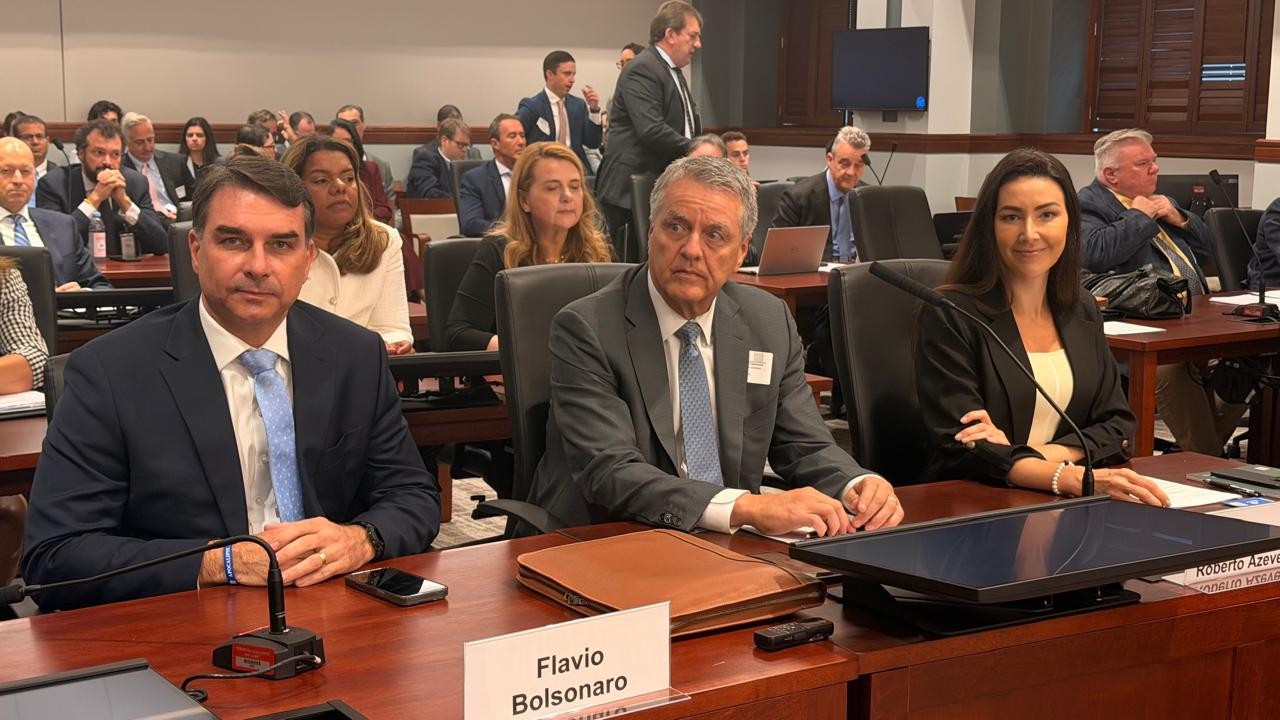
The United States Trade Representative held public hearings on Monday and Tuesday, July 6th and 7th, regarding proposed tariffs on Brazilian exports. The discussions included Brazilian business representatives and even a presidential pre-candidate. Flávio Bolsonaro briefly argued that the tariffs would politically benefit the current government, but later told Brazilian journalists he desired the measure's "cancellation" rather than postponement, contradicting a letter he sent to the Office. Major multinational corporations such as Coca-Cola, Nestlé, Tesla, and eBay submitted statements urging against the surcharges on Brazilian products. The U.S. government's decision is expected by July 15th. Economist Daniel Sousa discussed the potential economic consequences of these tariffs with Natuza Nery, analyzing American arguments and explaining the significance of certain Brazilian economic sectors to global supply chains and U.S. inflation. Sousa, a commentator for GloboNews and professor at Ibmec, highlighted that while technical criticisms were raised against the sanctions during the hearings, the final decision is likely to be political. The tariffs, if implemented, could impact Brazilian products like coffee, honey, and fish, which are seeking exemptions. This podcast episode, part of "O Assunto" produced by g1, has garnered over 168 million downloads since its 2019 debut.
The U.S. government's consideration of tariffs on Brazilian exports presents a complex interplay of economic policy and political strategy. While proponents may frame these measures as necessary for domestic industry protection or leverage in trade negotiations, the potential for retaliatory actions and disruption to global supply chains warrants careful consideration. The involvement of major multinational corporations underscores the interconnectedness of the global economy, suggesting that such tariffs could have unintended consequences, including inflationary pressures within the U.S. itself. The differing public statements from political figures like Flávio Bolsonaro highlight the domestic political calculus influencing international trade decisions. Moving forward, a balanced approach that prioritizes long-term economic stability and collaborative trade relationships, rather than short-term political gains or protectionist impulses, will be crucial for both nations and the broader global economic landscape.
AI-generated to prompt reflection — not editorial opinion, not advice, not a statement of fact. How this works.