US Tariffs on Brazilian Exports: Mato Grosso's Exports Largely Unaffected
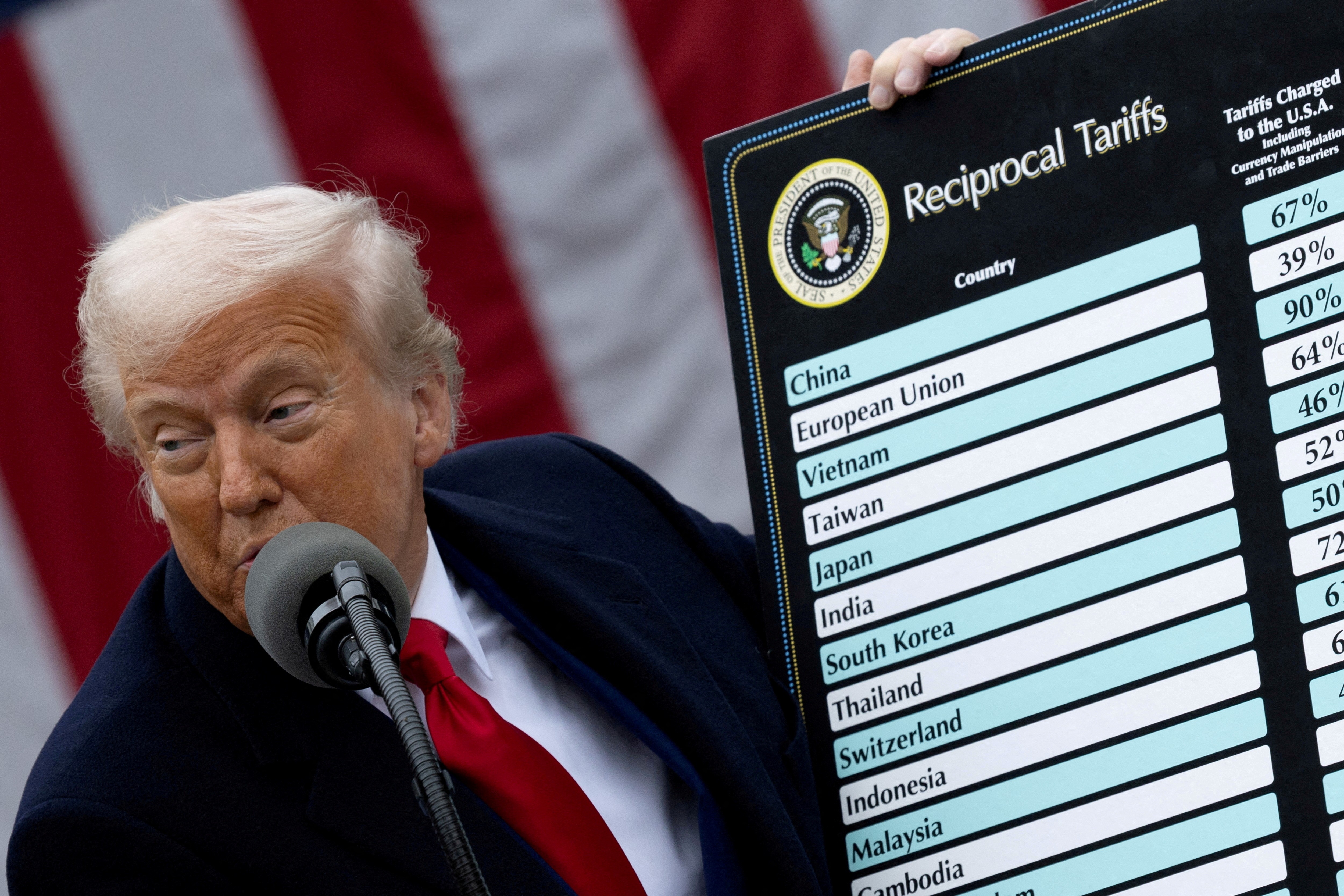
The United States has confirmed a 25% tariff on certain Brazilian exports, effective July 22, following an investigation into Brazilian trade practices. However, an analysis by the Federation of Industries of Mato Grosso (Fiemt) indicates that 93.85% of the state's exports to the U.S. in 2026 will be exempt from this new charge. This exemption is due to these products being on the U.S. government's list of exceptions. In contrast, only 45.9% of Brazil's total export portfolio remains free from the new tariff. The U.S. Trade Representative (USTR) stated that the tariffs are a response to Brazilian practices deemed "unjustifiable and discriminatory," including issues related to the PIX payment system, Supreme Court actions against big tech companies, inadequate intellectual property protection, and deforestation. The U.S. has indicated that the measure could be revised if Brazil addresses these concerns. Mato Grosso's exports to the U.S. this year totaled $209.57 million, with approximately $196.69 million remaining tariff-free. Only $12.77 million, or 6.09% of these exports, will be subject to the new tariff. Key products from Mato Grosso that are exempt include beef, gold, and various types of processed wood. Products affected by the tariff include certain higher-value processed woods (NCM 4418), bovine tallow, and gelatin and its derivatives. These latter two categories, bovine tallow and gelatin, constitute 97.3% of Mato Grosso's exports subject to the new tariff, amounting to an estimated $10.7 million and $1.72 million respectively. Despite the significant reliance on the U.S. market for bovine tallow, Fiemt notes that alternative buyers exist in countries like the Netherlands, Belgium, Germany, Argentina, the United Kingdom, Mexico, and Australia, which may mitigate the impact. Antonio Lorenzzi, Fiemt's Coordinator of Internationalization, highlighted the importance of monitoring bovine tallow, gelatin, and certain processed wood products, particularly those with higher added value, as they significantly contribute to Mato Grosso's trade balance and will now incur the additional 25% tariff.
The U.S. tariff imposition on select Brazilian exports, framed by the U.S. Trade Representative as a response to "unjustifiable and discriminatory" practices, highlights the complex interplay between national trade policy and international dispute resolution mechanisms. While the stated reasons encompass a range of issues from digital payments to environmental concerns, the economic leverage of tariffs often serves broader strategic objectives. The significant exemption rate for Mato Grosso's exports suggests that the targeted measures may be designed to address specific sectors or practices rather than broadly penalizing Brazilian trade. This approach allows for the application of economic pressure while attempting to minimize collateral damage to allied or strategically important regions, thereby preserving potential avenues for negotiation. The Brazilian government's ability to influence the tariff's future by addressing U.S. concerns indicates a structured, albeit contentious, diplomatic framework for resolving such trade disputes. The long-term implications may involve Brazil reassessing its trade diversification strategies and potentially strengthening its domestic regulatory frameworks to align with international expectations, thereby reducing its vulnerability to future external trade pressures.
AI-generated to prompt reflection — not editorial opinion, not advice, not a statement of fact. How this works.