US Tariffs on Brazilian Goods Concern Alto Tietê Industry, Key Export Market Affected
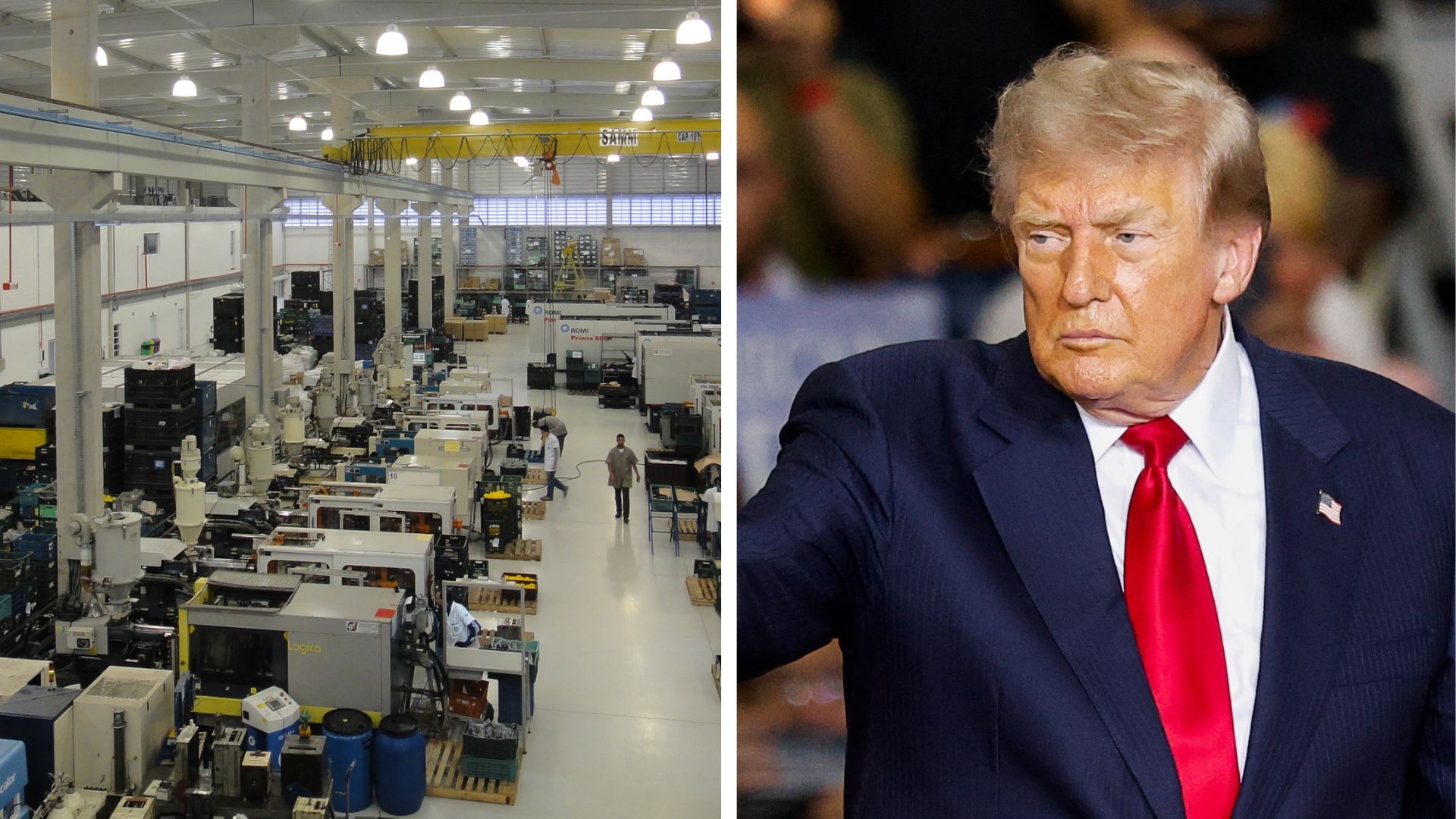
New U.S. tariffs of 25% on certain Brazilian products, implemented on June 22 and enforced from June 29, are raising concerns for manufacturers in Brazil's Alto Tietê region. The United States is the primary export destination for this region, with R$ 377 million worth of goods exported in the first half of 2026, representing 16.1% of local exports, according to Ciesp. The tariffs significantly impact the competitiveness of Brazilian products in the global market, particularly for items like paper and cardboard (19.1% of regional exports) and electrical machinery and appliances (10.9%), which have limited capacity to absorb such sudden cost increases. Economists warn that this could make Brazilian goods less competitive, potentially halting sales in the short term and requiring time for the local market to reabsorb surplus production and find alternative buyers. The situation underscores the critical need for market diversification, with Argentina and Paraguay also being significant export destinations for Alto Tietê, accounting for over 22% of its foreign sales in the first half of the year. The potential impact on employment is substantial, as approximately 29% of formal workers in Alto Tietê are employed in the industrial sector, totaling over 100,000 people. Some economists suggest the tariffs may be temporary, potentially easing due to inflationary pressures within the U.S. economy, which could also be harmed by the increased cost of imported goods.
The imposition of U.S. tariffs on Brazilian exports highlights the intricate dependencies within global supply chains and the potential for trade policy shifts to create significant economic ripple effects. From a systems perspective, this event demonstrates how unilateral trade actions can disrupt established market dynamics, forcing businesses to re-evaluate risk exposure and operational strategies. The Alto Tietê region's reliance on the U.S. market, particularly for specific product categories, reveals a vulnerability that diversification strategies aim to mitigate. The economic rationale behind such tariffs often involves domestic industrial protection or addressing perceived trade imbalances, but these measures can inadvertently lead to increased consumer costs and reduced market access for exporting nations. Looking ahead, the interplay between national economic policies and global trade frameworks will continue to shape industrial competitiveness, emphasizing the need for adaptive business models and robust international trade relations to foster sustainable growth and employment.
AI-generated to prompt reflection — not editorial opinion, not advice, not a statement of fact. How this works.