US Tariffs on Brazilian Goods May Impact Piracicaba's Economy, Ethanol, and Agriculture
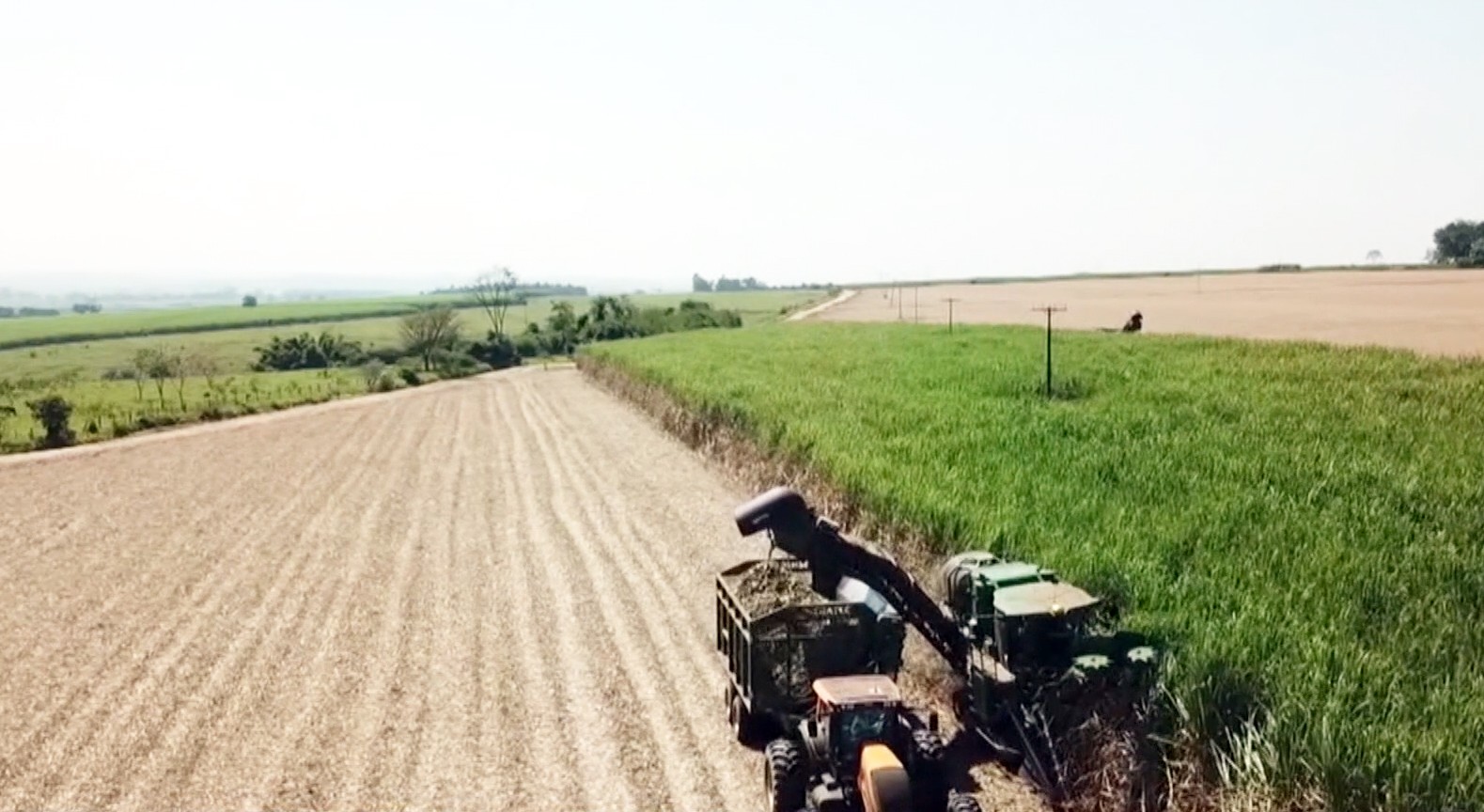
The Union of Metallurgical, Mechanical, and Electrical Material Industries of Piracicaba (Simespi) has expressed concern over a new 25% U.S. tariff on Brazilian products, set to take effect on July 22. Simespi warns that this measure could significantly affect the Piracicaba region's economy, particularly impacting strategic sectors like ethanol and agricultural machinery. The region is a major hub for the production of machinery, equipment, and capital goods, and also plays a crucial role in the sugar and energy sector. Paulo Estevam Camargo, president of Simespi, stated that the tariff will affect both exporting companies and those supplying the sugar-energy sector, potentially jeopardizing jobs, municipal and state revenue, and regional development. He highlighted that the region's specialized companies supporting sugar and ethanol plants will be directly impacted by any reduction in the competitiveness of Brazilian ethanol or investment in the sector. While the U.S. excluded items like petroleum, coffee, beef, aircraft, and cellulose from the tariff, the Brazilian government announced plans for a support program for affected companies and is considering invoking the Law of Reciprocity. Carlos Vian, a professor at Esalq/USP, identified the metal-mechanical sector in Piracicaba as particularly vulnerable to deindustrialization and job losses. He suggested that U.S. multinational companies operating in the region might reallocate production to other global locations to avoid the tariffs. The U.S. claims the tariffs are a response to Brazilian trade practices that "burden or restrict" commerce, citing issues like the Pix payment system, digital platforms, and restrictions on U.S. ethanol imports, claims the Brazilian government denies. Brazil's government views these U.S. concerns as non-negotiable and the tariff as a political decision, noting it affects 18% of Brazilian exports to the U.S.
The imposition of U.S. tariffs on Brazilian goods, particularly those impacting the ethanol and agricultural machinery sectors, presents a complex challenge rooted in trade policy and national economic interests. From a systemic perspective, such tariffs can disrupt established supply chains, leading to potential deindustrialization and job losses in regions heavily reliant on exports, as highlighted by the Piracicaba region's vulnerability. The U.S. justification, citing trade "burdens," suggests a divergence in regulatory interpretations or a strategic move to leverage market access. Brazil's consideration of reciprocity reflects a common diplomatic tool, though it risks escalating into a trade dispute that could harm both economies. The potential for these tariffs to become politicized, especially in the context of electoral cycles, underscores the need for professional diplomacy and technical negotiations to mitigate economic damage and foster stable international trade relationships. The long-term implications may involve a re-evaluation of global trade dependencies and a push for diversification of markets and production bases to enhance resilience against future protectionist measures.
AI-generated to prompt reflection — not editorial opinion, not advice, not a statement of fact. How this works.