US Tariffs on Chilean Exports: A Historical Pattern Affecting Kast
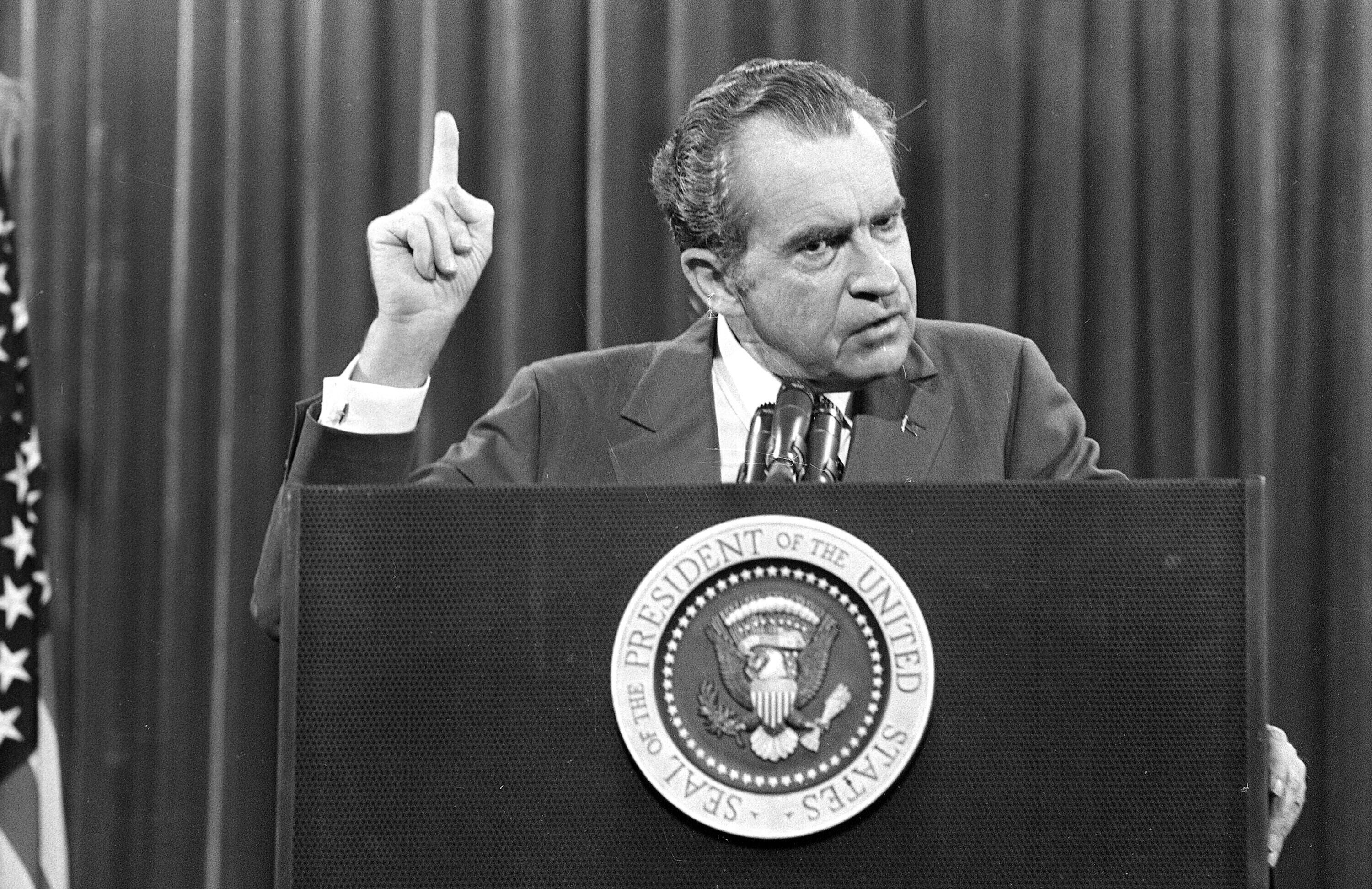
The Chilean administration of President José Antonio Kast has been surprised by the announcement of new tariffs on various Chilean export products, despite perceived political alignment with the current White House. According to former Foreign Minister José Miguel Insulza, this action demonstrates that the United States does not make exceptions for Chile. This move echoes past instances where U.S. economic policies have significantly impacted the Chilean economy, dating back to the Nixon administration and continuing through the Trump era. These historical precedents suggest a recurring pattern where U.S. trade decisions, regardless of political relationships, can create economic challenges for Chile. Insulza's statement highlights a perceived lack of special consideration for Chile in U.S. trade policy, suggesting that economic interests often supersede diplomatic ties. The impact of these tariffs on Chile's economy under Kast's government is a significant concern, given the historical precedent of such measures causing considerable disruption. The situation underscores the vulnerability of export-dependent economies to the trade policies of major global powers.
The imposition of U.S. tariffs on Chilean exports, irrespective of perceived political alignment, illustrates a consistent pattern in U.S. trade policy driven by domestic economic and industrial priorities. Historically, such measures have been employed to protect U.S. industries or address trade imbalances, often creating significant economic repercussions for trading partners like Chile. This event highlights the inherent tension between bilateral political relationships and the pursuit of national economic interests by global superpowers. For Chile, this situation underscores the strategic imperative to diversify its export markets and reduce reliance on any single trading partner, thereby mitigating vulnerability to external policy shifts. The long-term implications involve reassessing trade agreements and strengthening domestic economic resilience in the face of evolving global trade dynamics.
AI-generated to prompt reflection — not editorial opinion, not advice, not a statement of fact. How this works.