US Tariffs Spark Brazilian Presidential Race Controversy
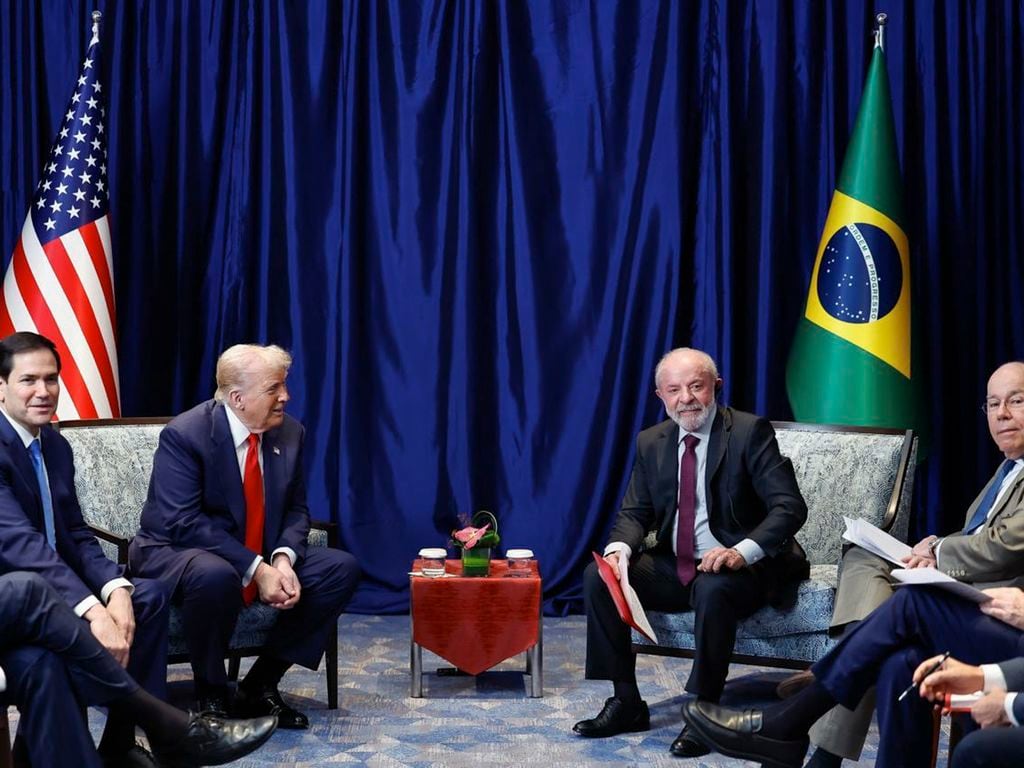
Brazil's Foreign Minister Mauro Vieira has declared that the new United States tariffs carry a "political motivation." This development has sent ripples through the Brazilian presidential race, with both Lula da Silva and Flávio Bolsonaro trading accusations. The government of President Lula da Silva is reportedly considering invoking mechanisms outlined in the law of reciprocity in response to the tariffs. This retaliatory measure suggests a potential escalation in trade tensions between the two nations. The political fallout in Brazil is significant, as the tariffs have become a focal point for domestic political debate. Both leading presidential candidates are using the issue to rally their supporters and criticize their opponents. The situation highlights the complex interplay between international trade policy and domestic politics in Brazil.
The imposition of US tariffs, framed by Brazil's Foreign Minister as politically motivated, has become a flashpoint in Brazil's presidential contest. This situation presents a classic case of how external economic policies can be leveraged for domestic political gain. The Brazilian government's threat to use reciprocity laws signals a potential recalibration of trade relations, driven by perceived unfairness and national interest. Looking ahead, such tariff disputes underscore the fragility of international trade agreements in the face of shifting geopolitical priorities and domestic electoral cycles. The incident prompts consideration of how nations can navigate economic interdependence while safeguarding sovereign interests and maintaining stable political discourse, particularly in the context of future global economic realignments.
AI-generated to prompt reflection — not editorial opinion, not advice, not a statement of fact. How this works.