US Tariffs Spark Global Backlash Over Forced Labor Claims
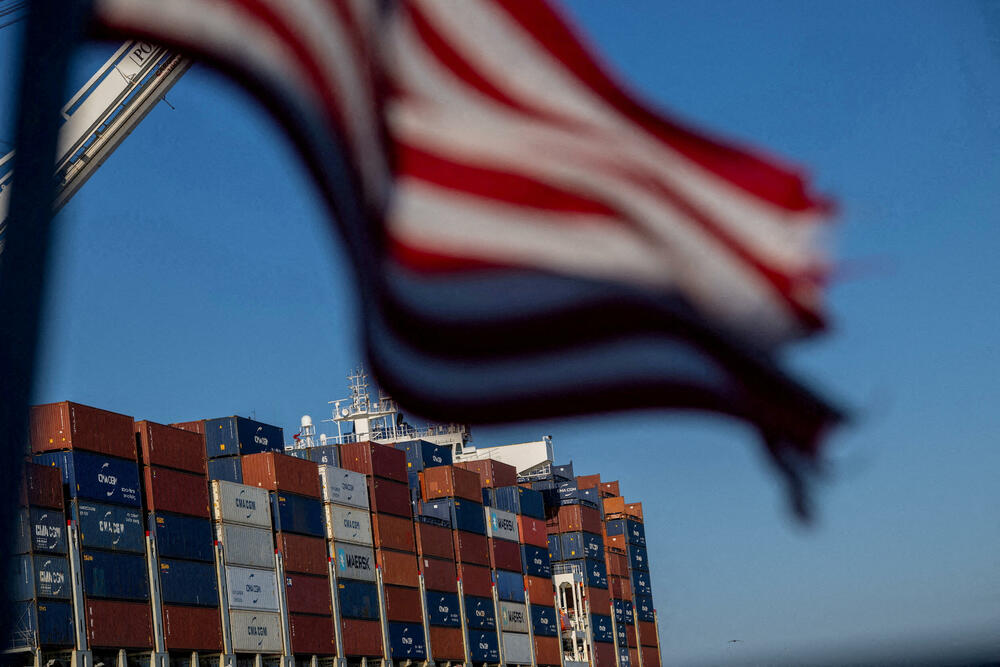
The Trump administration has imposed tariffs ranging from 10% to 12.5% on several countries. The stated reason for these new tariffs is the alleged failure of these nations to adequately enforce bans on products manufactured using forced labor. This move has reportedly generated negative reactions from around the world. The specific countries targeted and the exact nature of their alleged non-compliance were not detailed in the provided text. The implications of these tariffs on international trade and diplomatic relations remain to be seen.
The imposition of tariffs by the U.S. administration, citing concerns over forced labor, introduces a complex dynamic into international trade relations. While the stated objective is to combat unethical labor practices, such measures can also be interpreted through the lens of economic protectionism or geopolitical leverage. The effectiveness of tariffs as a tool to enforce labor standards is debatable, as they can lead to retaliatory measures and disrupt global supply chains. This policy decision highlights the ongoing tension between national sovereignty, international trade agreements, and the ethical considerations of production. Future trade policies may need to balance these competing interests more effectively to foster both economic stability and universal human rights.
AI-generated to prompt reflection — not editorial opinion, not advice, not a statement of fact. How this works.