US Tariffs Spark Global Reactions; EU Relief Over Google Fine Coincides
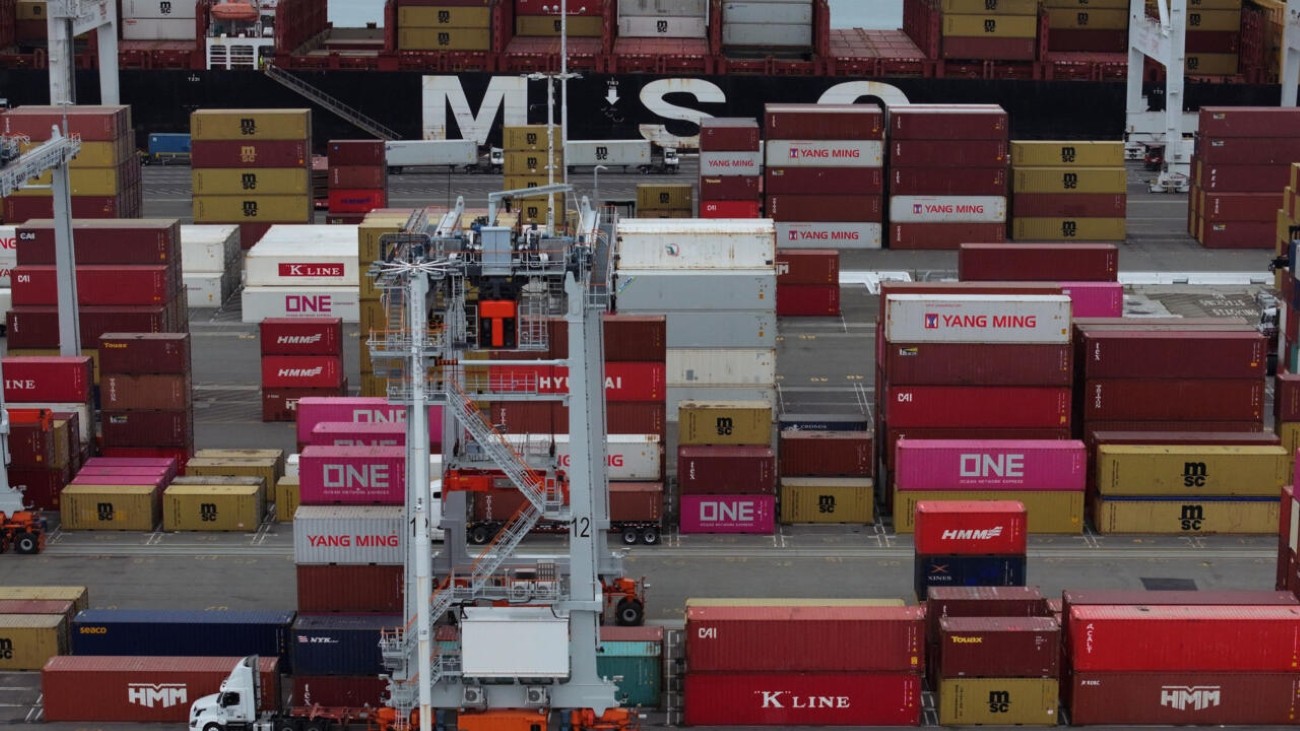
The United States has imposed new tariffs on approximately 60 countries, effective Friday, April 24th, prompting varied international responses. China has voiced opposition to "any form of unilateral tariff measures," while the European Union expressed relief that the tariffs on European products were not the highest. This development occurred on the same day the EU fined Google €890 million for anti-competitive digital practices, a move that had raised fears of U.S. retaliation. The EU's tariff rate is set at 10% globally, with additional exemptions for certain goods like cork and diamonds, alongside existing exemptions for aircraft, spare parts, and generic medicines. For Brussels, this outcome is viewed as creating a "positive dynamic" for ongoing transatlantic discussions on strategic raw materials and artificial intelligence. Brazil, already facing a 25% tariff from the previous week, will now see an additional 12.5% imposed. This new round stems from a U.S. Trade Representative (USTR) investigation into alleged failures to combat the import of 3,000 items suspected of being produced with forced labor. The Brazilian government criticized this move as a manipulation of human rights issues and announced its intention to use the Law of Reciprocity while remaining open to negotiations. Asian nations, including the Philippines, have also expressed significant concern and surprise over the new tariffs, arguing they will reduce industry competitiveness. Allies like Australia, Japan, and New Zealand have also criticized the barriers as unjustified and disappointing. The USTR's investigation, initiated in mid-March by Jamieson Greer, aims to eliminate trade in products made with forced labor, framing it as a measure to ensure fair competition and uphold trade agreements. The U.S. administration views the U.S. market as a crucial leverage point to achieve its objectives, basing the new tariffs on existing legislation to ensure legal viability.
The imposition of new U.S. tariffs, framed by the administration as a measure against forced labor, presents a complex interplay of economic leverage and geopolitical strategy. While the stated objective of combating forced labor aligns with international human rights concerns, the unilateral nature of these tariffs and their broad application across numerous countries suggest a broader intent to reshape trade relationships and assert economic influence. The concurrent EU fine against Google, and the subsequent EU relief regarding U.S. tariffs, highlights the delicate balance of power and potential for retaliatory actions between major economic blocs. The U.S. strategy appears to leverage its significant market access as a tool for negotiation, potentially creating friction with established trade partners and necessitating careful diplomatic navigation to avoid escalating trade disputes. Future trade dynamics will likely be influenced by the effectiveness of these measures in achieving stated goals versus their impact on global supply chains and international cooperation.
AI-generated to prompt reflection — not editorial opinion, not advice, not a statement of fact. How this works.