US Tariffs Spark Trade Tensions: Brazil Weighs Dialogue Over Retaliation
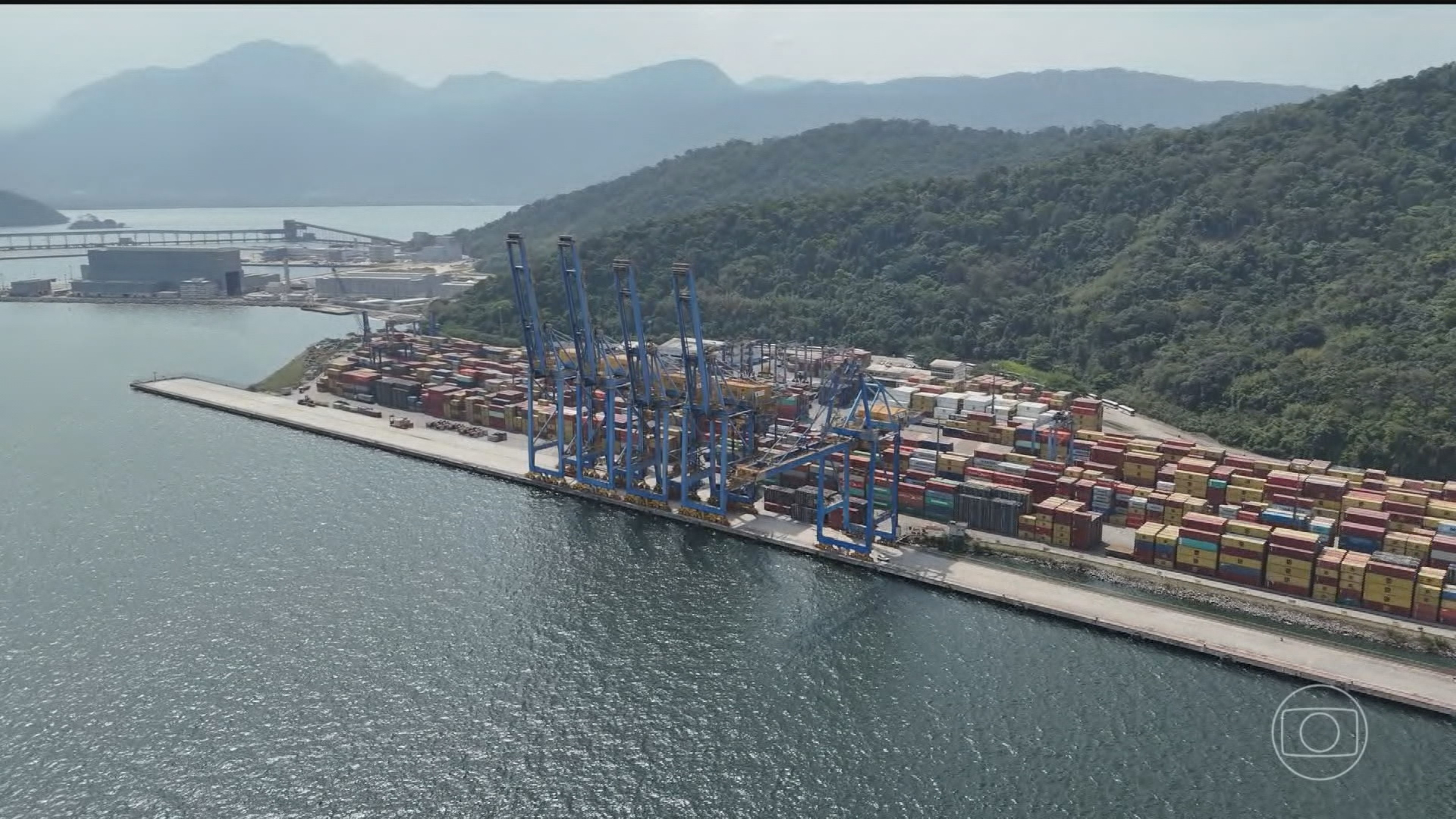
Brazil's government, led by President Luiz Inácio Lula da Silva, is preparing to use the "Law of Reciprocity" in response to new U.S. tariffs. This action follows two recent tariff impositions by the United States on Brazilian products. The first tariff, set at 25%, stems from the U.S. White House's belief that Brazil engages in unfair economic practices against American businesses. The second, a 12.5% tariff, was imposed because the U.S. concluded that numerous countries, including Brazil, failed to prohibit or monitor the import of goods produced using forced labor. The Brazilian government has characterized the tariffs as "completely arbitrary and unjustified" and intends to initiate proceedings under the Law of Reciprocity, while also bringing the matter before the World Trade Organization (WTO). However, prominent Brazilian business associations are urging caution. The Brazilian Association of Machinery and Equipment Industry (Abimaq) expressed concern but emphasized confidence in Brazilian diplomacy, stating it does not support retaliatory measures or the use of the Law of Reciprocity. Abimaq advocates for renewed dialogue and strengthened diplomatic channels to prevent escalation. Similarly, the American Chamber of Commerce for Brazil (Amcham) acknowledged the tariffs worsen export conditions but warned that reciprocity measures risk political and commercial escalation, negatively impacting Brazilian companies, workers, and consumers. The National Confederation of Industry (CNI) also recommended continued negotiation as the primary approach. Despite these calls for dialogue, Brazilian diplomats reportedly feel the U.S. has shown little genuine interest in negotiation, dismissing Brazilian arguments and conducting meetings merely as a formality. Should Brazil proceed with the Law of Reciprocity, a formal process involving public consultations and analysis of specific claims would precede any countermeasures, requiring careful calibration to avoid worsening the economic situation.
The imposition of U.S. tariffs and Brazil's contemplation of reciprocal measures highlight a recurring tension in international trade, where national economic interests can clash with global trade norms. While the U.S. cites unfair practices and issues related to forced labor, Brazil views these actions as arbitrary and unjustified. The differing perspectives underscore the complexities of trade dispute resolution, often involving interpretations of national sovereignty versus international obligations. Business entities in Brazil are advocating for diplomatic solutions, recognizing that escalating trade wars can have detrimental effects on domestic economies, impacting employment and consumer prices. This situation presents a systemic challenge for global governance, as it tests the efficacy of international bodies like the WTO and the willingness of major economic powers to engage in good-faith negotiation. The potential for retaliatory actions, even within a structured legal framework like Brazil's Law of Reciprocity, carries inherent risks of unintended consequences, necessitating a strategic approach that balances national interests with the imperative of maintaining stable international economic relations for the foreseeable future.
AI-generated to prompt reflection — not editorial opinion, not advice, not a statement of fact. How this works.