US Tariffs to Hit 70% of Pernambuco Exports, Industry Head Warns
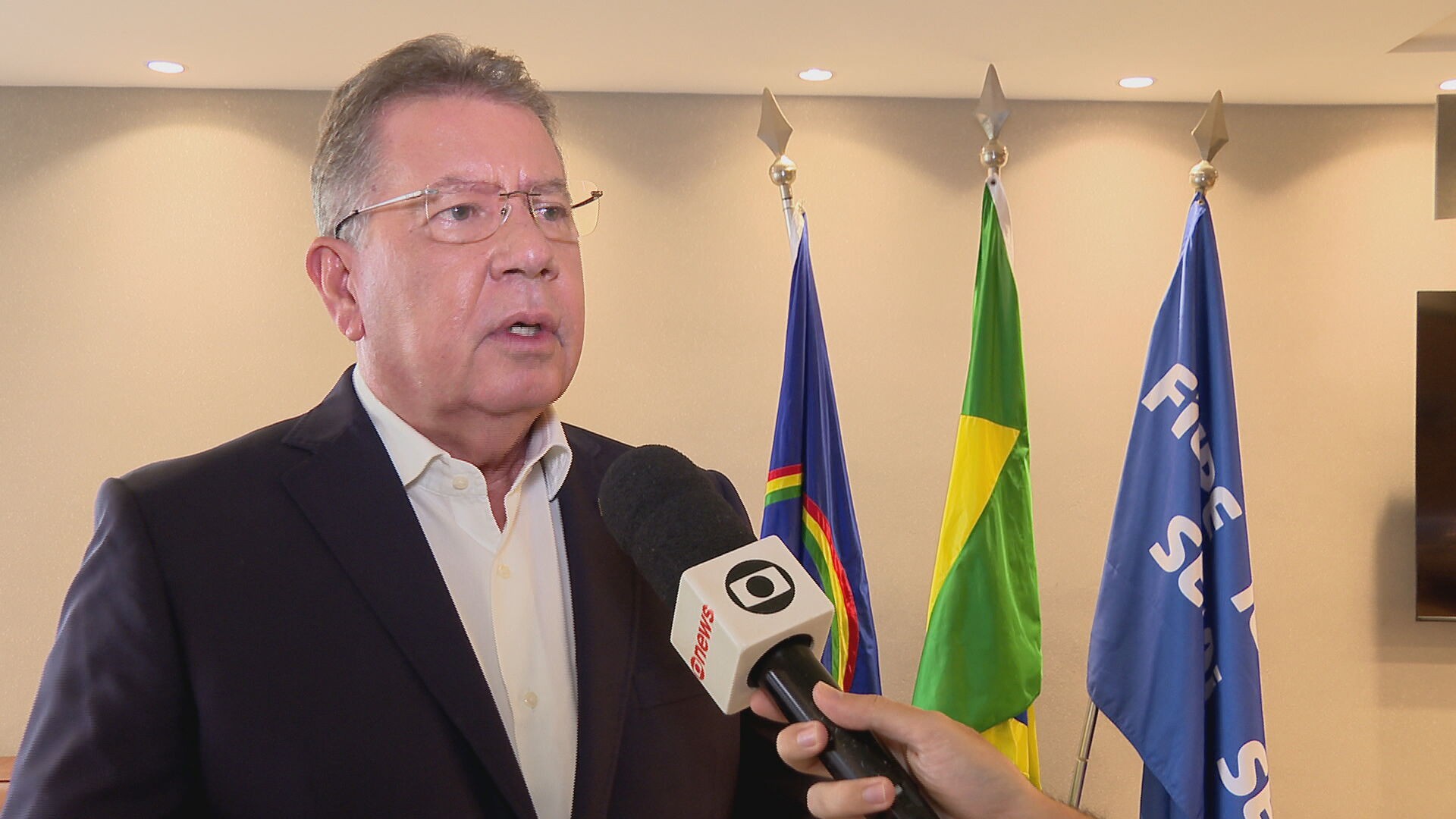
The Federation of Industries of the State of Pernambuco (Fiepe) estimates that new U.S. tariffs could impact approximately 70% of the state's exports to the United States. The additional 25% tariff on Brazilian products is set to take effect on July 22, following an investigation by the U.S. Trade Representative's Office (USTR) into alleged unfair Brazilian trade practices. While key exports like meat, coffee, and orange juice are excluded, only 30% of Pernambuco's exports fall under these exceptions. Fiepe President Bruno Veloso stated that the organization anticipated the tariffs and is engaged in dialogue with both Brazilian and U.S. governments to monitor the consequences. Veloso expressed concern over a perceived lack of dialogue with the Brazilian government and emphasized the complementary nature of industrialization between Brazil and the U.S. He noted that products such as sugar, grapes, and pet products are expected to be significantly affected in Pernambuco. The tariffs are also projected to negatively impact employment in the state, following an already observed 20% reduction in exports for 2024-2025. The USTR's decision stems from a year-long investigation under Section 301 of the Trade Act of 1974, citing issues like the Pix payment system, ethanol market access, illegal deforestation, and piracy as reasons for the tariffs. Despite the broad application, certain sensitive products like petroleum, coffee, and beef were exempted, while items such as ethanol and agricultural machinery will face the new tax.
The imposition of U.S. tariffs on Brazilian exports, as reported by Fiepe, highlights the complex interplay between national trade policies and global supply chains. The USTR's investigation, citing practices like Pix, ethanol access, deforestation, and piracy, reveals a U.S. government leveraging trade enforcement mechanisms to address perceived imbalances or policy divergences. From a systemic perspective, such tariffs can create ripple effects, impacting not only direct exporters but also labor markets and downstream industries reliant on these trade flows. The situation underscores the inherent tension between a nation's sovereign right to regulate its economy and international trade agreements. Future trade relations will likely continue to navigate these policy tools, necessitating robust diplomatic engagement and potentially requiring Brazilian industries to adapt production and market strategies to mitigate risks associated with protectionist measures. The long-term sustainability of export-oriented sectors may depend on diversification and adherence to evolving international trade norms.
AI-generated to prompt reflection — not editorial opinion, not advice, not a statement of fact. How this works.