US Tariffs to Hit Over $500 Million in Rio Grande do Sul Exports, Study Finds
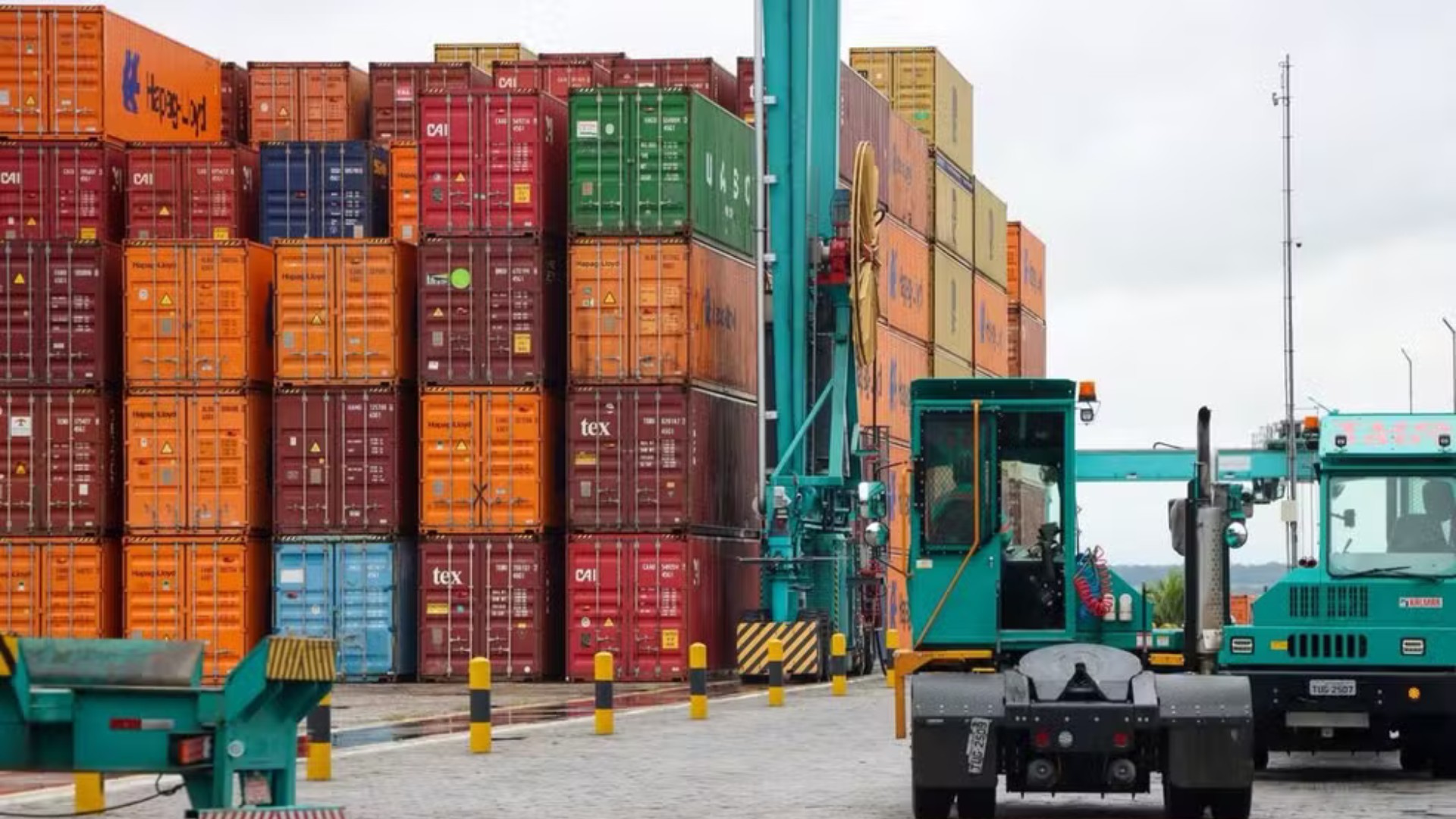
New U.S. tariffs of 25% will impact over half a billion dollars in agricultural exports from Rio Grande do Sul, Brazil, according to a study by the Federation of Agriculture of the State of Rio Grande do Sul (Farsul). In 2025, agricultural products worth $541 million were exported to the U.S., with the new surcharge affecting 70.4% of these sales. Key affected items include tobacco, sawn pine wood, leather footwear, and beef tallow. Across all economic sectors, the exposure for Rio Grande do Sul is even higher, with 79% of its exports to the U.S., totaling $1.3 billion, subject to the new tariff. This measure, part of a Section 301 investigation, takes effect on July 22, 2026, for Brazilian products entering the U.S., with some exceptions. Products like pig iron, certain wood items, aluminum hydroxide, bovine hides, fish, organic honey, instant coffee, and scrap metal are exempt. The proportional impact on Rio Grande do Sul is significantly greater than the national average, where 38% of Brazilian exports to the U.S. are affected. The state's export profile, with a high concentration of tariff-sensitive goods, contributes to this disparity. Specific agricultural products facing the highest potential impact include unmanufactured Virginia tobacco ($122 million), sawn pine wood ($81 million), and leather footwear ($62 million). Industries are seeking alternatives, with the wood sector employing 15,000 workers and the tobacco sector anticipating export reductions of 30% to 50%. The footwear industry also faces challenges as many products are made to U.S. buyer specifications and cannot be easily redirected. The Federation of Industries of the State of Rio Grande do Sul (Fiergs) estimates that nearly half of the state's exports to the U.S. will be affected, with a potential tariff impact of $325 million for total state exports. Fiergs is advocating for intensified negotiations with U.S. authorities and has arranged a meeting with Brazil's acting Minister of Finance to discuss strategies.
The U.S. imposition of a 25% tariff on specific Brazilian exports, particularly impacting Rio Grande do Sul, highlights the complex interplay between international trade policy and regional economic structures. The disproportionate effect on the state, stemming from its export specialization in goods like tobacco and leather, underscores the vulnerability of economies reliant on niche markets. While framed as a response to an investigation, the tariff's broad application and its timing ahead of the July 2026 implementation suggest a strategic economic maneuver rather than a targeted corrective action. Brazilian industries are now compelled to navigate supply chain disruptions and explore market diversification, a process that can be slow and costly, especially for goods produced to precise foreign specifications. The situation calls for a strategic re-evaluation of trade dependencies and potential shifts in production focus to mitigate future risks, considering the evolving global trade landscape and potential for retaliatory measures or further policy changes.
AI-generated to prompt reflection — not editorial opinion, not advice, not a statement of fact. How this works.