US Tariffs: Trump Announces High Tariffs on Generic Drugs Starting 2028
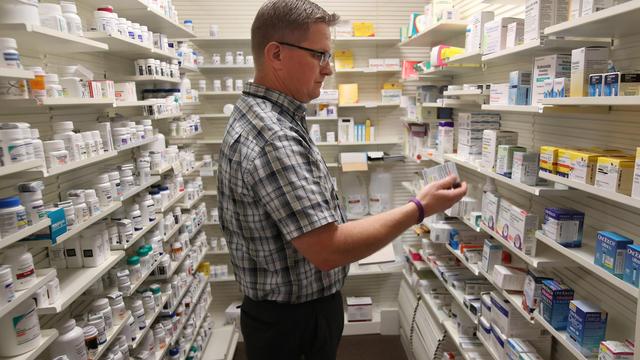
US President Donald Trump has announced plans to impose significant tariffs on generic drugs, set to take effect in 2028. This follows a previous announcement made in the spring regarding high tariffs on branded medications. The new measures will extend to affordable generic alternatives, impacting a broader segment of the pharmaceutical market. The specific details and the exact percentage of these tariffs have not yet been disclosed. This policy shift could potentially increase the cost of essential medicines for American consumers. The administration's rationale behind these tariffs remains unclear, but it is expected to have substantial implications for both domestic and international pharmaceutical companies. The move signals a potentially protectionist approach to the healthcare sector, aiming to reshape trade dynamics in the pharmaceutical industry. The long lead time until 2028 suggests a strategic phasing in of these new trade policies.
The proposed tariffs on generic drugs starting in 2028 represent a significant policy intervention in the pharmaceutical market. By targeting affordable alternatives, the measures could disrupt established supply chains and potentially increase healthcare costs for consumers, contradicting the typical goal of generic drugs to lower medication expenses. This policy may incentivize domestic production or renegotiate existing trade agreements, reflecting a broader trend of economic nationalism. The long implementation timeline allows for market adjustment but also creates uncertainty for global pharmaceutical manufacturers and distributors. Evaluating the long-term impact requires considering potential retaliatory measures from other countries and the effect on patient access to essential medicines, particularly for vulnerable populations.
AI-generated to prompt reflection — not editorial opinion, not advice, not a statement of fact. How this works.