US Tech Lobbying Fuels US-China Mistrust, Analysts Warn
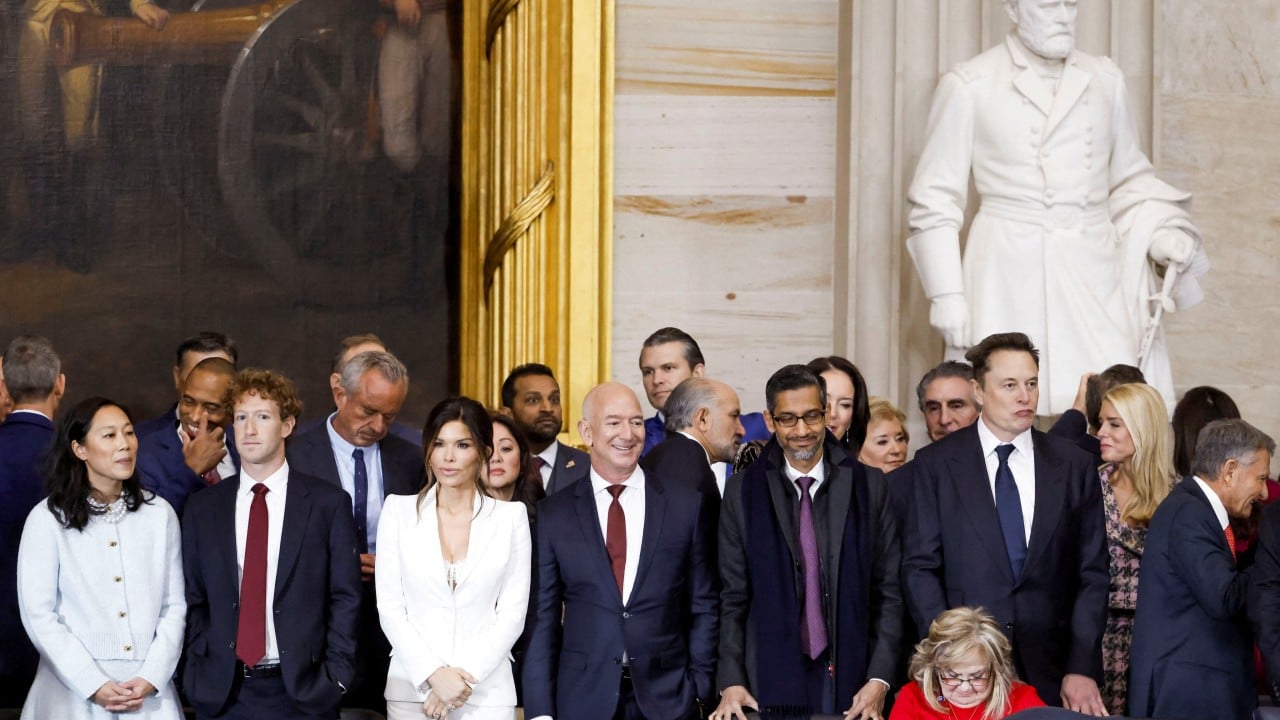
The increasingly assertive stance of the US technology industry towards China is raising concerns among observers who fear it could exacerbate mutual suspicion between the two nations. Silicon Valley has become significantly more politicized recently, with prominent figures like Elon Musk contributing substantial amounts to political campaigns, including Donald Trump's 2024 presidential effort. The US government has prioritized technological competition as a central element of its broader rivalry with Beijing. This shift in the tech sector's engagement with politics and foreign policy is seen by some as a contributing factor to heightened tensions. The influence of tech lobbyists on policy decisions is a key area of focus for those analyzing this dynamic. The potential for this increased politicization to spill over into broader diplomatic and economic relations is a significant concern. As the US government frames technological competition as a core aspect of its strategy, the actions and lobbying efforts of Silicon Valley firms are under scrutiny. This evolving landscape could have far-reaching implications for international relations and the global technology ecosystem.
The increasing politicization of the US tech sector, exemplified by significant campaign donations and lobbying efforts, is shaping the narrative around US-China technological competition. While Silicon Valley firms pursue their commercial interests, their engagement with the political process can inadvertently amplify geopolitical tensions. This dynamic highlights a systemic challenge where private sector advocacy, driven by market incentives, can influence national security and foreign policy objectives. The potential for such influence to create or deepen 'mutual suspicion' between nations warrants careful consideration of governance structures that balance commercial interests with broader diplomatic stability. Future policy frameworks may need to address the intersection of technological innovation, corporate lobbying, and international relations to foster a more predictable and less confrontational global environment.
AI-generated to prompt reflection — not editorial opinion, not advice, not a statement of fact. How this works.
