US Terrorist Removal Court Activated for First Time in 30 Years
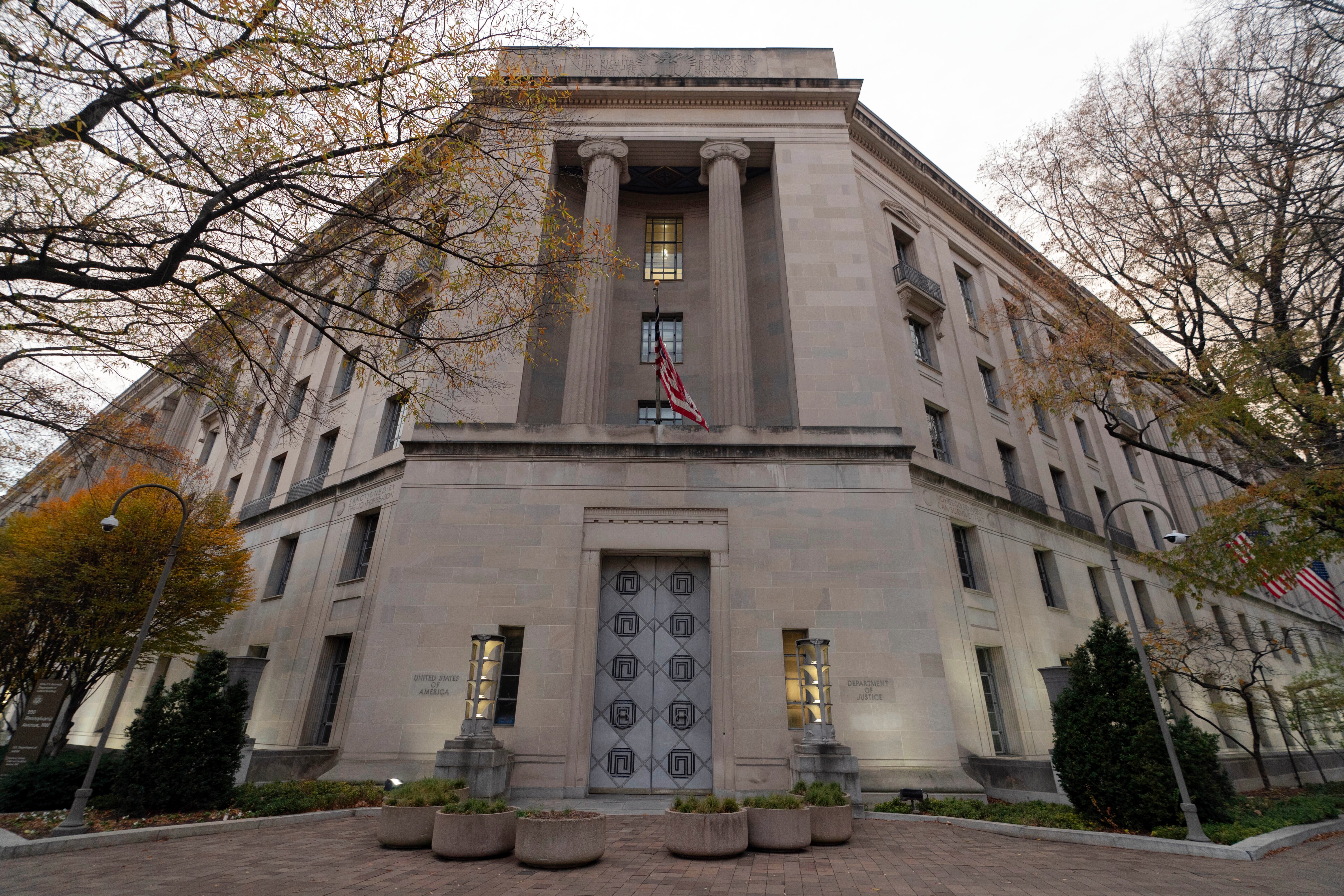
For the first time since its establishment three decades ago, a special U.S. tribunal designed exclusively for deporting terrorism suspects has been invoked by the federal government. The Department of Justice filed a request last Wednesday, December 15th, seeking the removal of an unnamed foreign national. This action is seen as a continuation of policies under President Donald Trump, who has intensified the use of legal tools to expedite deportations, particularly for individuals deemed national security threats. However, the court has not immediately approved the deportation process. Following an initial hearing on Thursday, December 16th, Chief Judge Joan Ericksen indicated that the judges have raised questions regarding the connection between the alleged actions of the individual and the legal provisions cited by the government to classify them as a "foreign terrorist." The Department of Justice has been instructed to provide additional information by Wednesday.
The activation of the Foreign Terrorist Removal Court, established in 1996 following the Oklahoma City bombing, highlights a significant shift in U.S. national security and immigration policy. While intended as a specialized mechanism for cases involving foreign nationals suspected of terrorism, its prior non-use suggests a complex interplay between legal frameworks, evidentiary standards, and executive branch priorities. The court's initial hesitation to proceed, demanding further justification from the Department of Justice, underscores the critical balance between national security imperatives and due process rights. This event prompts reflection on the efficacy of specialized tribunals in addressing evolving threats, the potential for such tools to be leveraged during periods of heightened political focus on immigration, and the long-term implications of utilizing such powers for expedited removal, even when faced with judicial scrutiny.
AI-generated to prompt reflection — not editorial opinion, not advice, not a statement of fact. How this works.