US Threatens Hormuz Tolls Amid Escalating Iran Strikes and Tanker Attacks
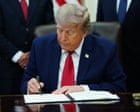
The United States has initiated a third consecutive night of strikes against Iran, following President Donald Trump's announcement of plans to reimpose a maritime blockade and charge vessels for safe passage through the Strait of Hormuz. This policy shift comes after two United Arab Emirates (UAE) national tankers were struck by Iranian cruise missiles in Omani territorial waters within the southern lane of the strait. The attack resulted in the death of one Indian crew member and injuries to eight others, four of whom are in serious condition.
This escalation occurs despite an ongoing 60-day interim deal intended to pave the way for permanent peace talks, which began after the assassination of Iran's supreme leader, Ali Khamenei, in February. The interim agreement has largely collapsed into a series of confrontations around the Strait of Hormuz, raising global concerns about a full-scale resumption of conflict. Previously, the U.S. advocated for unrestricted free navigation through the strait. However, President Trump declared on Monday that Washington would now impose a 20% tariff on all cargo transiting the strait. Both the U.S. and Iran have proposed imposing tolls, actions that contravene international norms of freedom of navigation and could lead to significant economic disruption beyond the immediate region.
The U.S. policy shift regarding tolls on the Strait of Hormuz represents a significant departure from established international maritime law principles, which generally uphold freedom of navigation. This move, coupled with ongoing military strikes, introduces a new layer of economic leverage and potential conflict escalation. The imposition of tolls by any nation, including the U.S. or Iran, could be viewed as a strategic economic weapon, potentially disrupting global supply chains and increasing shipping costs. Such actions may also incentivize other regional powers to develop reciprocal measures, leading to a complex web of trade restrictions and heightened geopolitical tensions. Looking ahead, the commodification of vital shipping lanes could fundamentally alter global trade dynamics and necessitate new international frameworks for maritime security and access in an increasingly contested geopolitical landscape.
AI-generated to prompt reflection — not editorial opinion, not advice, not a statement of fact. How this works.