US Tightens Cuba Sanctions with New Restrictions on Tourism Ministry
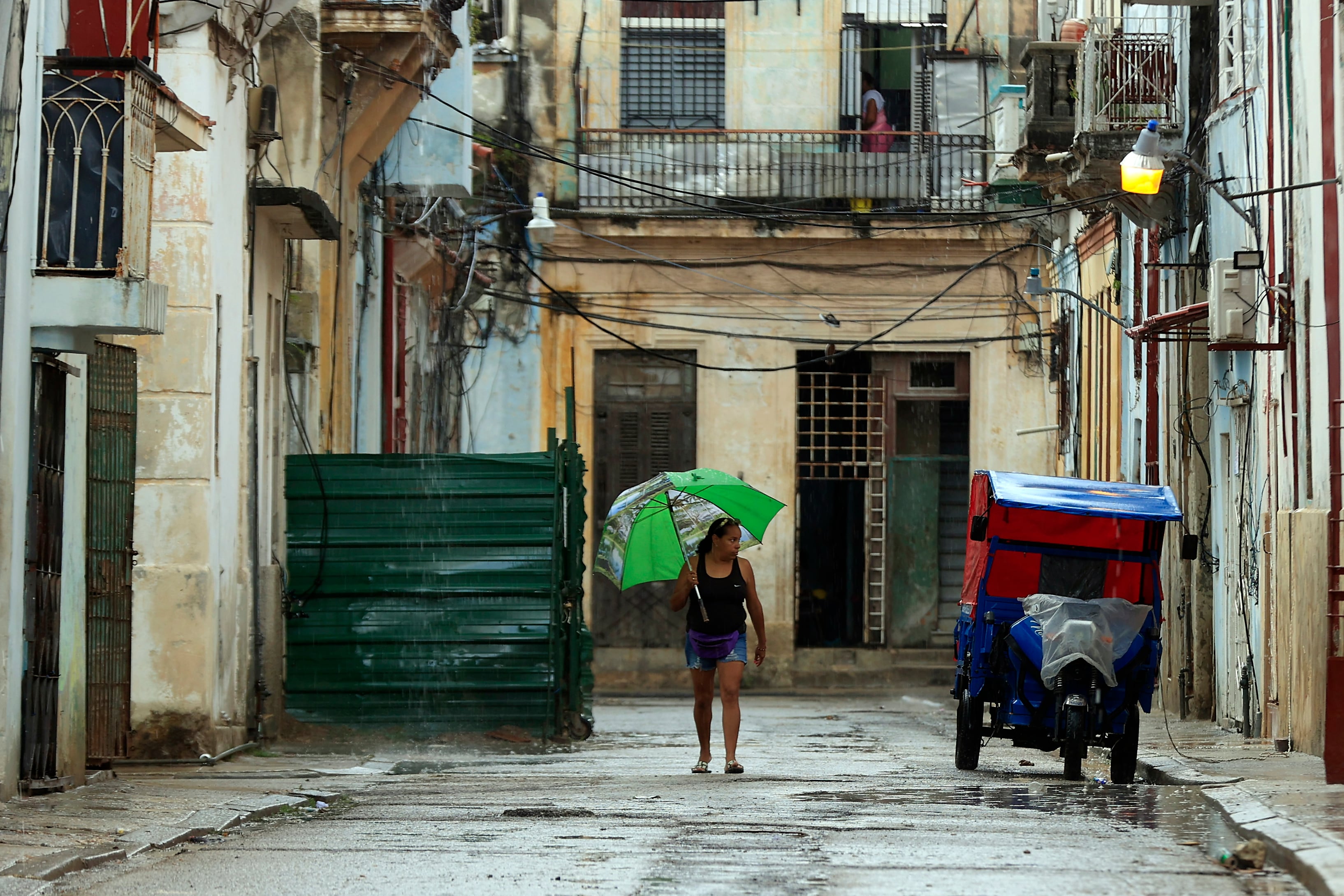
The United States has intensified its sanctions against Cuba by imposing new restrictions specifically targeting the Ministry of Tourism. Washington stated that the blockade, affecting a group of public entities, is a direct response to their alleged funding of a "repression campaign" against the Cuban people. These measures are part of the ongoing U.S. policy aimed at pressuring the Cuban government. The specific entities targeted have not been fully detailed, but the focus on the tourism sector suggests a strategy to limit revenue streams that could support government operations perceived as detrimental to human rights. This action underscores the continued economic pressure the U.S. exerts on Cuba, despite shifts in diplomatic relations over the years. The U.S. government maintains that these sanctions are necessary to promote democratic reforms and address human rights concerns within Cuba. The Cuban government has consistently denounced these sanctions as an illegal blockade that harms its citizens and hinders economic development. The impact of these new restrictions on the Cuban tourism industry and the broader economy remains to be seen, but they signal a hardening of the U.S. stance.
The U.S. government's decision to impose further sanctions on Cuba, particularly targeting the tourism sector, reflects a persistent strategy of economic pressure aimed at influencing Cuban governance. This approach, while framed as a response to human rights concerns and repression, operates within a long-standing geopolitical framework. The effectiveness of such sanctions in achieving stated policy goals, such as democratic reform, is a subject of ongoing debate, with critics often pointing to unintended humanitarian consequences and the strengthening of state control rather than liberalization. From a systemic perspective, the U.S. action highlights the complex interplay between foreign policy objectives, economic leverage, and international relations in the context of state-to-state interactions. Future developments may depend on evolving U.S. administrations' priorities and Cuba's capacity to adapt its economic model to external pressures, potentially exploring alternative international partnerships or domestic economic adjustments.
AI-generated to prompt reflection — not editorial opinion, not advice, not a statement of fact. How this works.