US Tightens Iran Sanctions Amidst Naval Freedom Concerns
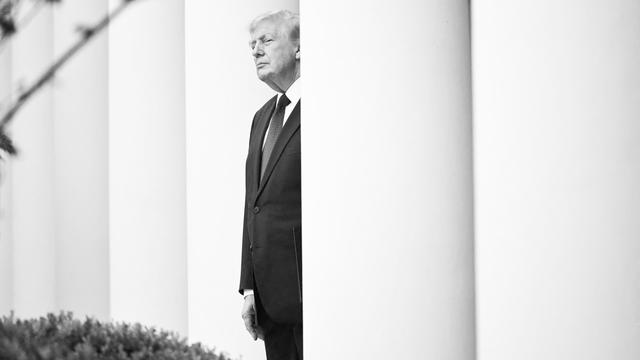
The United States, under the leadership of Donald Trump, has reinstated its blockade against Iran. This action is seen as undermining the legitimacy of the US mission, which is ostensibly to ensure freedom of navigation. The decision to reimpose these sanctions is characterized as dangerous and irrational. The move signals a significant escalation in US-Iran tensions and raises questions about the strategic implications for regional stability and international maritime trade. The blockade directly impacts Iran's economy and its ability to engage in international commerce. The article suggests that this policy could have severe unintended consequences, potentially destabilizing the region further. It implies a departure from established norms regarding freedom of the seas, creating a contentious precedent.
The reimposition of US sanctions on Iran, framed by the source as a 'blockade,' raises complex geopolitical and economic questions. While the stated US objective may be to exert pressure on Iran, the strategy's effectiveness and legitimacy are contested. The article highlights a potential contradiction between the US action and the principle of freedom of navigation, a cornerstone of international maritime law. This policy shift could be analyzed through the lens of shifting geopolitical alliances and the evolving global energy landscape. The long-term implications for regional stability, international trade routes, and the broader balance of power in the Middle East warrant careful consideration, particularly in the context of future diplomatic engagements and potential economic repercussions.
AI-generated to prompt reflection — not editorial opinion, not advice, not a statement of fact. How this works.