US Tightens Visa Rules for Foreign Journalists and Students, Targeting China
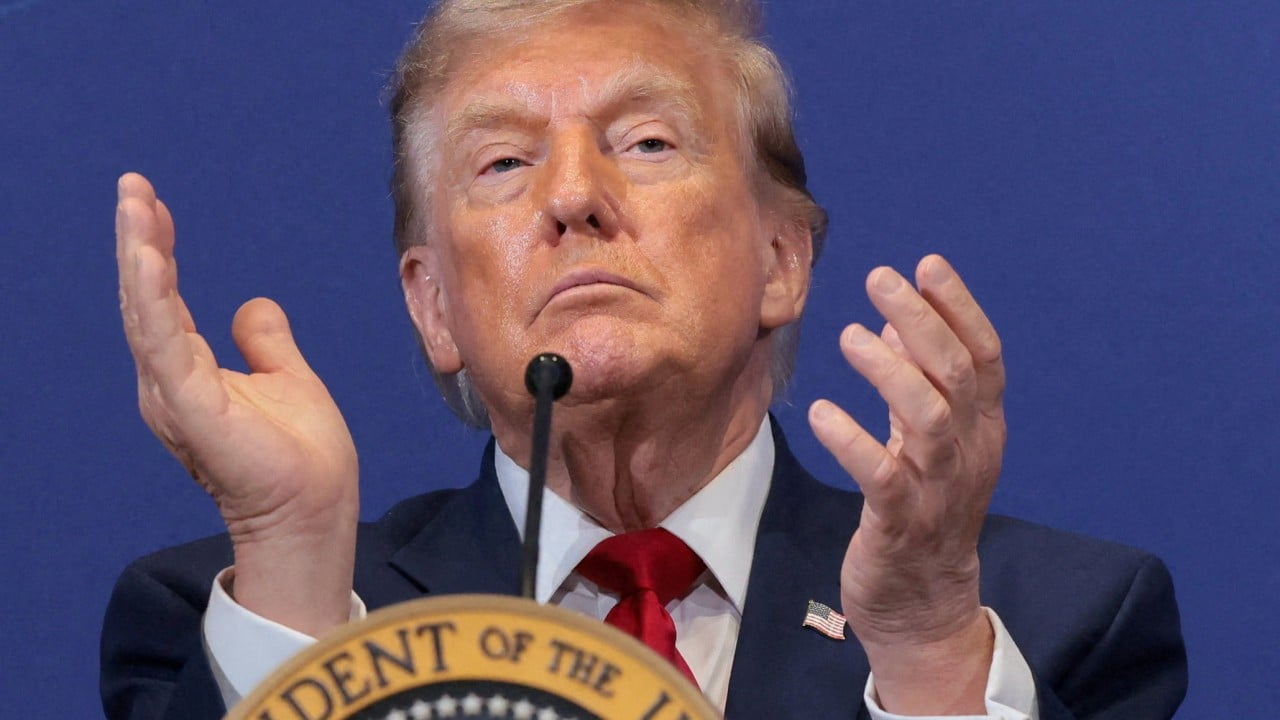
The White House announced on Thursday a significant tightening of visa regulations for foreign students, media personnel, and exchange program participants. This move represents one of the most substantial alterations to these visa categories in decades. The Department of Homeland Security (DHS) has finalized a rule that will implement fixed periods of admission for individuals holding F student visas, J exchange visitor visas, and I visas, which are typically for foreign media representatives. The updated regulations are part of a broader governmental strategy to increase scrutiny and control over both legal and illegal immigration. Notably, the new rules include stricter limitations specifically aimed at Chinese journalists, reflecting ongoing geopolitical tensions and a desire for greater transparency and reciprocity in media operations. The administration's focus on immigration enforcement is a key priority, leading to these comprehensive changes in visa processing and duration.
The US Department of Homeland Security's updated visa regulations signal a strategic recalibration of international access, particularly concerning media and academic exchanges. By establishing fixed admission periods and imposing stricter limits on specific nationalities, such as Chinese journalists, the administration is leveraging immigration policy to address perceived national security and reciprocity concerns. This approach may create reciprocal challenges for US journalists and students abroad, potentially escalating information control and limiting cross-cultural dialogue. The policy's long-term impact could influence global academic collaboration and the free flow of information, necessitating a careful balance between national interests and the benefits of open international engagement in an increasingly interconnected world.
AI-generated to prompt reflection — not editorial opinion, not advice, not a statement of fact. How this works.