US to Announce New Tariffs on Brazilian Products Today; Brazil Considers Retaliation
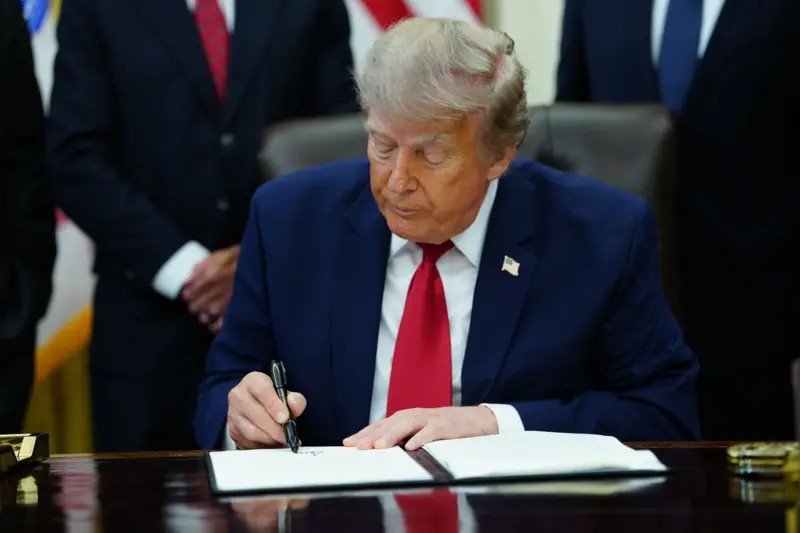
The United States government informed Brazil on Wednesday morning, May 15th, that a decision regarding new tariffs on Brazilian products would be released that afternoon. Brazilian officials at the Planalto Palace stated that after the announcement, the government would analyze its content to determine its response. Potential reactions include invoking the Economic Reciprocity Law or continuing diplomatic negotiations with the U.S.
The Economic Reciprocity Law allows a country to impose the same measures or tariffs on another nation that it has experienced. This mechanism is used to counter what are perceived as unfair unilateral sanctions or barriers by reacting in kind and protecting the domestic economy.
Key points of contention between the two countries have reportedly been Brazil's PIX instant payment system, the expansion of U.S. ethanol market access to Brazil, and a proposed four-year moratorium on taxes and fines for digital platforms. The Brazilian government considers these three points non-negotiable, despite their role in the U.S. trade investigation that led to the tariff threat. Brazil formally responded to the U.S. in early July, refuting accusations that its policies on PIX, judicial decisions, and digital platform regulation constituted unfair trade practices. The U.S. claims the Central Bank favors PIX over private financial firms, which Brazil denies, stating PIX is open public infrastructure. Regarding ethanol, the U.S. alleges Brazil has not ensured reciprocal conditions, while Brazil asserts its tariffs are applied uniformly to all countries without preferential agreements. The U.S. also criticizes Brazilian court orders against digital platforms, citing freedom of expression concerns, but Brazil argues these are lawful actions related to criminal investigations and fundamental rights, applicable to both domestic and foreign companies.
The unfolding trade dispute highlights the complex interplay between national economic policies, regulatory frameworks, and international trade relations. Brazil's stance on PIX, ethanol access, and digital platform taxation appears rooted in protecting nascent domestic industries and asserting regulatory sovereignty. The U.S. actions, framed within a trade investigation, may reflect broader strategic interests in market access and the competitive landscape of digital finance and energy. Brazil's potential invocation of the Economic Reciprocity Law signals a willingness to escalate, but the ultimate response will likely be a calculated decision balancing economic impact, diplomatic leverage, and domestic political considerations. This situation underscores the ongoing tension between national policy objectives and the demands of globalized markets, particularly as digital economies and energy transitions reshape international trade dynamics over the next decade.
AI-generated to prompt reflection — not editorial opinion, not advice, not a statement of fact. How this works.