US to Close Consulates in Japan and Indonesia, Signaling Global Footprint Reduction
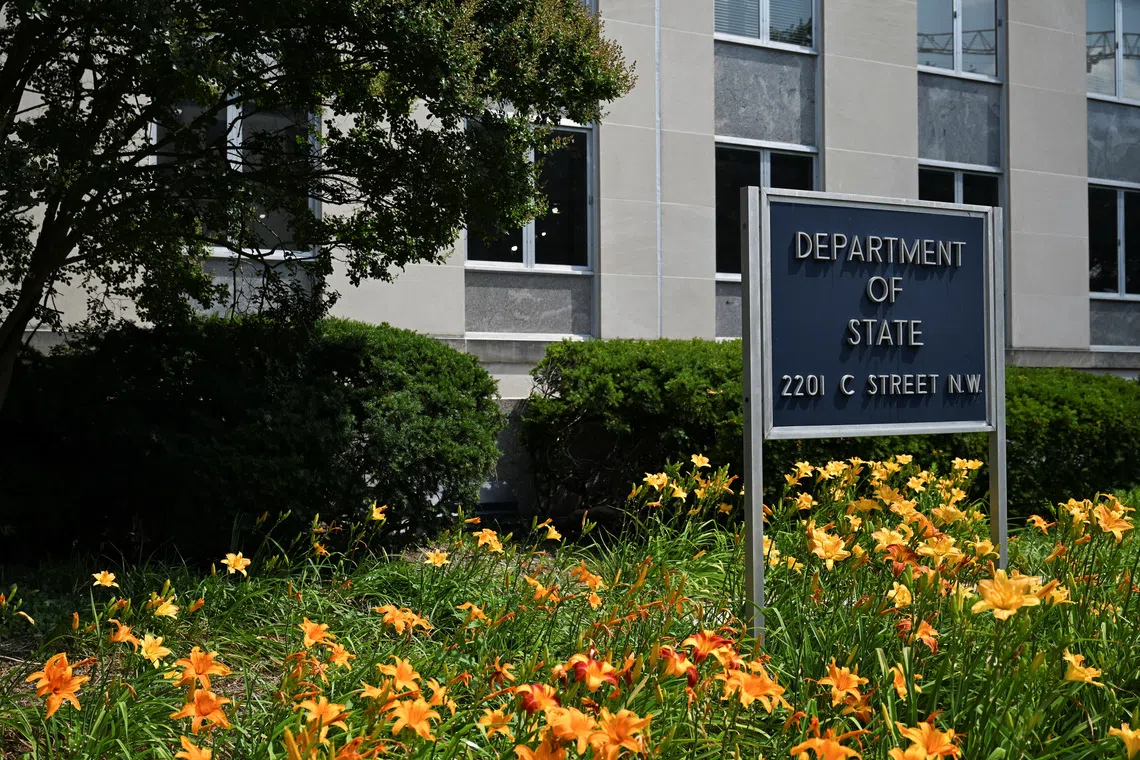
The United States is reportedly planning to close its consulates in Nagoya, Japan, and Medan, Indonesia. This move, if finalized, would mark a significant and uncommon instance of Washington contracting its international presence. The closures are expected to be announced soon, according to sources familiar with the matter. While specific reasons for these particular closures were not detailed, such decisions often stem from strategic reassessments of diplomatic needs and resource allocation. The U.S. Department of State typically evaluates its overseas posts periodically to ensure they align with current foreign policy objectives and operational efficiencies. This potential reduction in diplomatic outposts could impact the level of consular services available to U.S. citizens and facilitate engagement with local populations in these regions. The broader implications for U.S. foreign policy and its engagement with Asia are yet to be fully understood.
The reported closure of U.S. consulates in Nagoya and Medan signifies a potential shift in diplomatic strategy, moving away from broad geographic representation towards a more concentrated global footprint. This decision may reflect evolving geopolitical priorities and a recalibration of resource allocation within the State Department. Such actions can influence bilateral relations and the accessibility of consular services, potentially impacting trade, cultural exchange, and citizen support in the affected regions. Analyzing this through a long-term lens, the trend could indicate a broader strategic re-evaluation of diplomatic infrastructure in response to changing global dynamics and the increasing importance of digital diplomacy and remote engagement capabilities.
AI-generated to prompt reflection — not editorial opinion, not advice, not a statement of fact. How this works.
