US to Cooperate with Saudi Arabia on Nuclear Energy
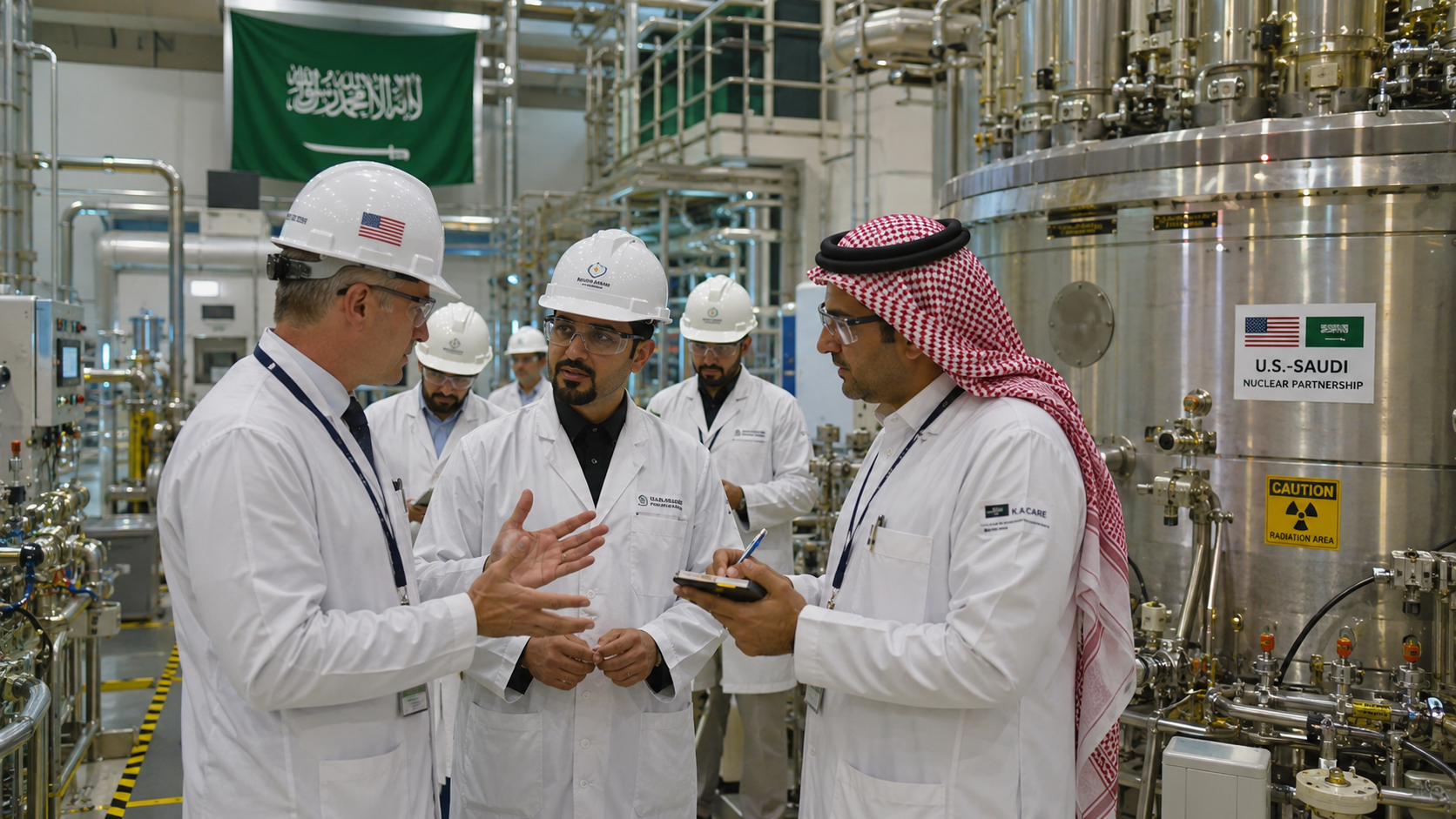
The United States has announced its intention to collaborate with Saudi Arabia in the field of nuclear energy. This partnership aims to explore and develop nuclear power capabilities within the Kingdom. The agreement signifies a deepening of ties between the two nations on critical energy infrastructure. Further details regarding the scope and specific projects under this cooperation are expected to be released.
This collaboration highlights the growing global interest in nuclear energy as a clean and sustainable power source. Saudi Arabia's involvement suggests a strategic move towards diversifying its energy portfolio beyond fossil fuels. The US, a leader in nuclear technology, will bring its expertise and resources to the partnership. The implications for regional energy security and technological advancement are significant.
This agreement between the US and Saudi Arabia on nuclear energy cooperation represents a significant development in global energy politics. It aligns with Saudi Arabia's stated goals of economic diversification and potentially positions the Kingdom as a regional player in advanced energy technologies. For the US, it offers an opportunity to export its nuclear expertise and technology, fostering international partnerships in a sector crucial for future energy needs. The cooperation will need to navigate complex international non-proliferation frameworks and ensure robust oversight to mitigate any potential risks associated with nuclear material. The long-term success will depend on sustained political will, technological integration, and adherence to international safety and security standards, while also considering the evolving geopolitical landscape and the global imperative for decarbonization.
AI-generated to prompt reflection — not editorial opinion, not advice, not a statement of fact. How this works.