US to Retaliate Against Iran for Houthi Attacks, Says Trump
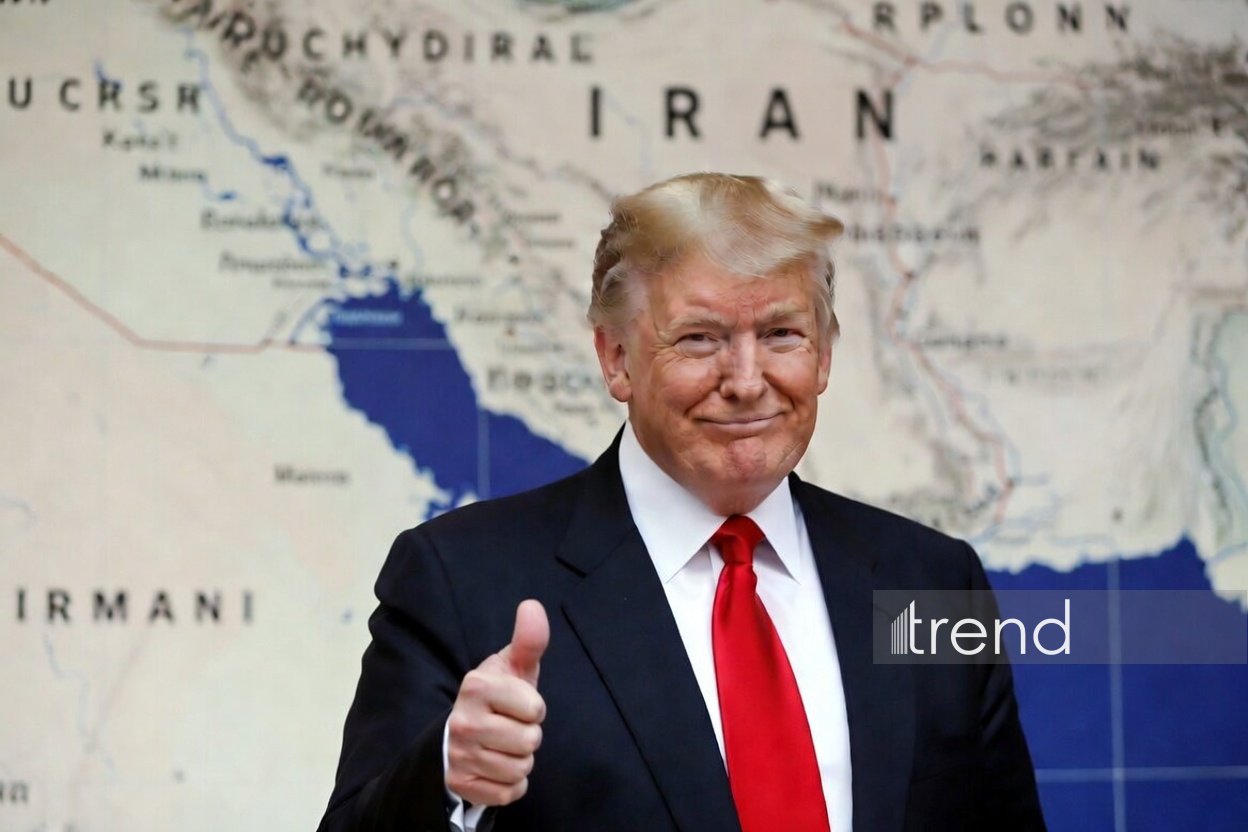
Following attacks by the Houthi group, former US President Donald Trump has issued a strong statement indicating that the United States will seek retribution from Iran. Trump asserted that Iran is responsible for the actions of the Houthis and that the US will hold Iran accountable. The statement suggests a significant escalation in tensions between the US and Iran, potentially leading to direct or indirect military responses. The specific nature of the US retaliation was not detailed, but the rhetoric points towards a firm stance against perceived Iranian aggression in the region. This declaration comes amid ongoing geopolitical complexities in the Middle East, where Iran-backed groups have been involved in various regional conflicts.
This statement from former President Trump frames the Houthi actions as directly orchestrated by Iran, positioning Iran as the primary aggressor. The proposed US retaliation, if enacted, would represent a significant geopolitical move, potentially altering regional power dynamics and increasing the risk of broader conflict. Evaluating this through a future-oriented lens, such escalations often stem from complex incentive structures involving regional security alliances, proxy warfare, and international sanctions. The challenge for policymakers is to de-escalate tensions by addressing the root causes of instability, rather than solely reacting to immediate provocations, thereby avoiding a cycle of retaliatory actions that could have long-term destabilizing effects on global trade and security.
AI-generated to prompt reflection — not editorial opinion, not advice, not a statement of fact. How this works.