US to Shift Counterterrorism Focus to 'Far-Left Terror,' Says Rubio
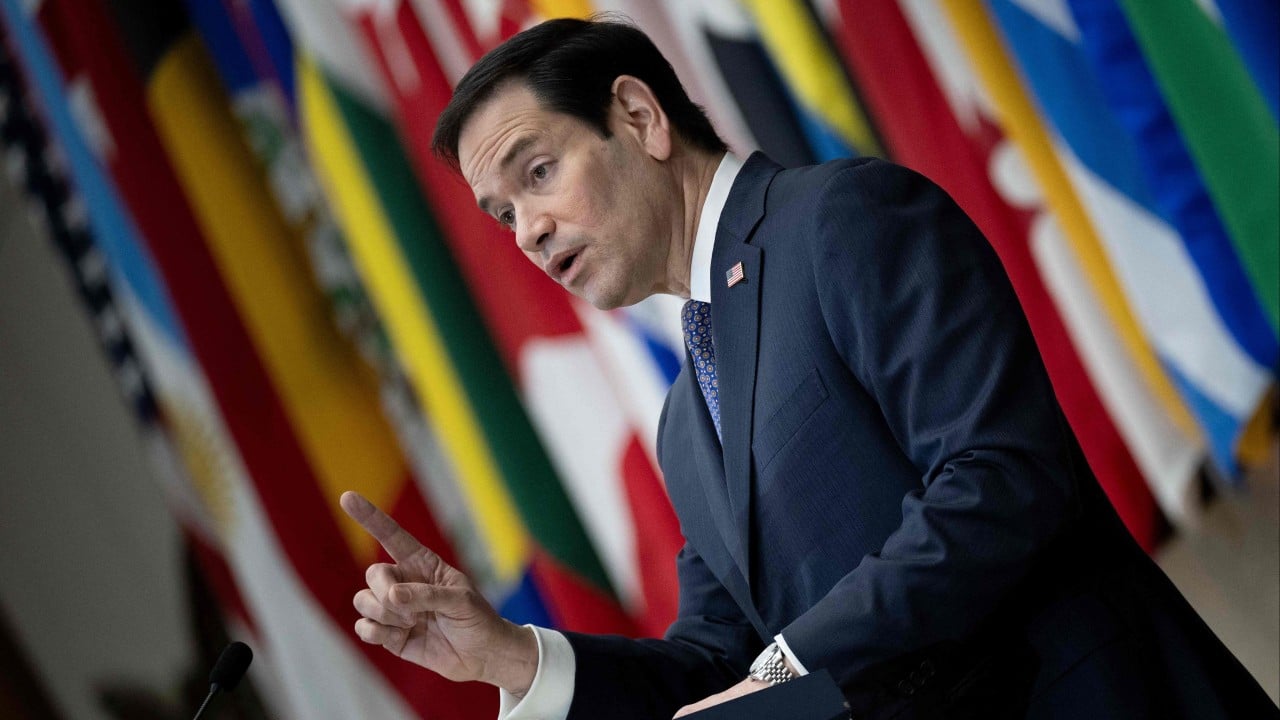
US Secretary of State Marco Rubio announced on Thursday that the United States intends to redirect international counterterrorism efforts towards what he described as "far-left terror." Speaking at a conference in Washington attended by officials from over 60 countries, Rubio asserted that violence perpetrated by left-wing groups has historically been neglected. This initiative has raised concerns among Democrats, who fear the Trump administration may be politicizing counterterrorism strategies and potentially diverting crucial resources away from other significant extremist threats. Rubio's remarks suggest a strategic re-evaluation of global security priorities, aiming to address a perceived underestimation of left-wing extremism in international counterterrorism discourse. The conference itself, hosted in the US capital, has become a focal point for these discussions and the ensuing political debate. The Secretary's statement implies a significant shift in how the US views and intends to combat global extremism.
The stated redirection of US counterterrorism focus towards "far-left terror" signals a potential recalibration of national security priorities. This strategic shift, articulated by Secretary of State Marco Rubio, invites scrutiny regarding the criteria for threat assessment and resource allocation in a complex global security landscape. By emphasizing a specific ideological spectrum, the initiative may prompt international partners to re-evaluate their own threat assessments and potentially create divergent approaches to counterterrorism. The Democratic concerns highlight the ongoing tension between national security imperatives and the potential for political influence over such sensitive operations. Future effectiveness will likely depend on the clarity of definitions, the evidence supporting this threat assessment, and the ability to maintain international consensus without politicizing security cooperation. This approach could also influence the long-term trajectory of domestic and international counter-extremism policies, particularly in the context of evolving geopolitical dynamics and the digital spread of ideologies.
AI-generated to prompt reflection — not editorial opinion, not advice, not a statement of fact. How this works.