US to Shorten Stays for Students, Journalists Under New Visa Rules
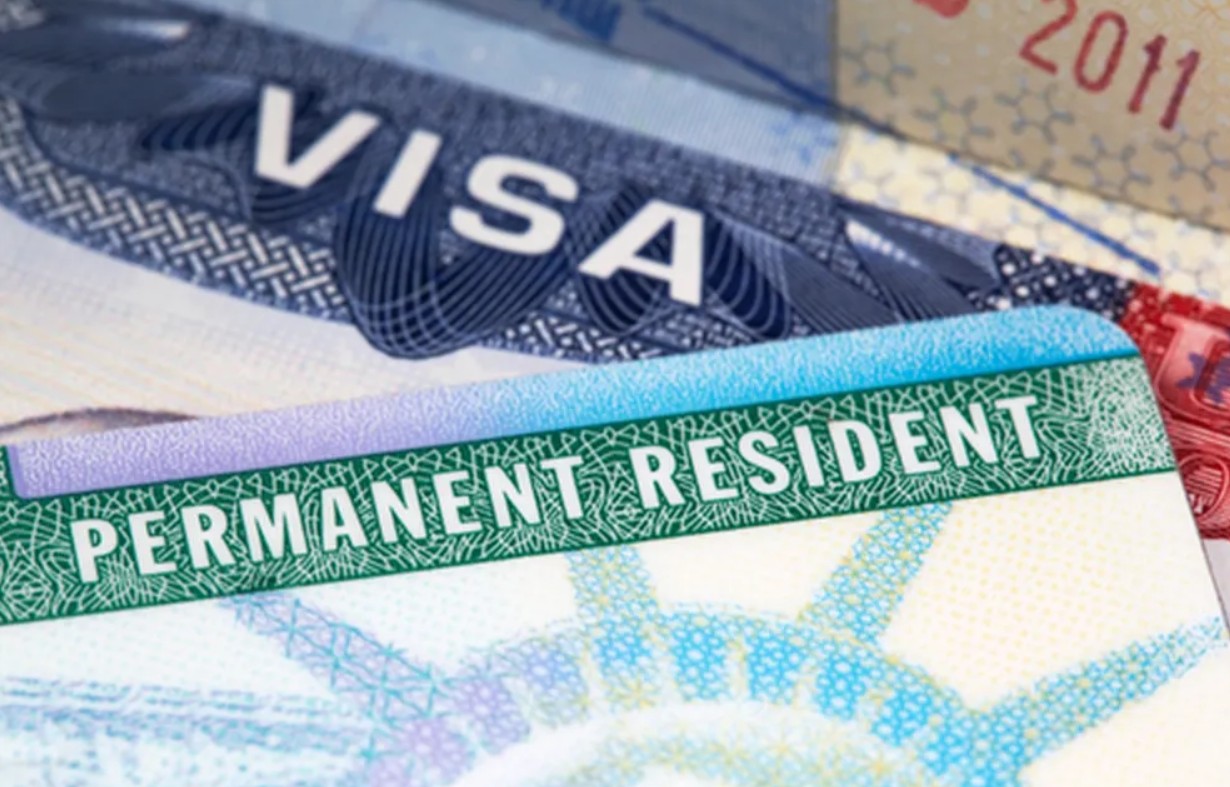
The U.S. government announced on Thursday, May 16, that it will reduce the authorized stay period for foreign nationals holding student, journalist, and exchange program visas. Under the new regulations, the duration of stay for these categories will be predetermined by the U.S. government and will vary based on the visa type. Previously, these visa holders were granted indefinite stay as long as their program or employment continued. The Department of Homeland Security (DHS) stated that the change aims to address challenges in monitoring and supervising non-immigrants due to a significant increase in visa issuances. In 2024, over 1.8 million student visas were issued, an 11% increase from the previous year, alongside over 500,000 exchange visitor visas and 37,300 media professional visas in fiscal year 2024. The DHS cited numerous instances of students and exchange visitors remaining in the U.S. for decades on their current visas. The new rules will affect F visas for international students, J visas for exchange program participants, and I visas for foreign journalists. F and J visa holders will be admitted for the duration of their program, capped at four years. I visa holders, including journalists, will have their stay limited to 240 days, with the possibility of renewal. A specific exception applies to media representatives from the People's Republic of China (excluding Hong Kong and Macau), who are limited to 90 days. Students in English language programs face a cumulative total limit of 24 months, including breaks. Furthermore, F-1 students, both undergraduate and graduate, will need prior authorization to change majors or transfer institutions, except under specific, unforeseen circumstances like a university closure. The new rule takes effect 60 days after publication in the Federal Register, pending potential Congressional review.
This policy shift by the U.S. Department of Homeland Security signifies a move towards more defined and potentially shorter durations of stay for specific non-immigrant visa categories, including students and journalists. The stated rationale centers on managing increased visa volumes and enhancing oversight. From a systems perspective, this introduces greater administrative control but may also create new complexities for individuals navigating visa renewals and program changes. The policy's impact on academic and journalistic exchange, crucial elements of international relations and information flow, warrants careful observation. Future considerations may involve balancing national security and immigration management objectives with the benefits of open academic and journalistic collaboration.
AI-generated to prompt reflection — not editorial opinion, not advice, not a statement of fact. How this works.