US to 'Take Control' of Strait of Hormuz Amid Iran Tensions, Says Trump
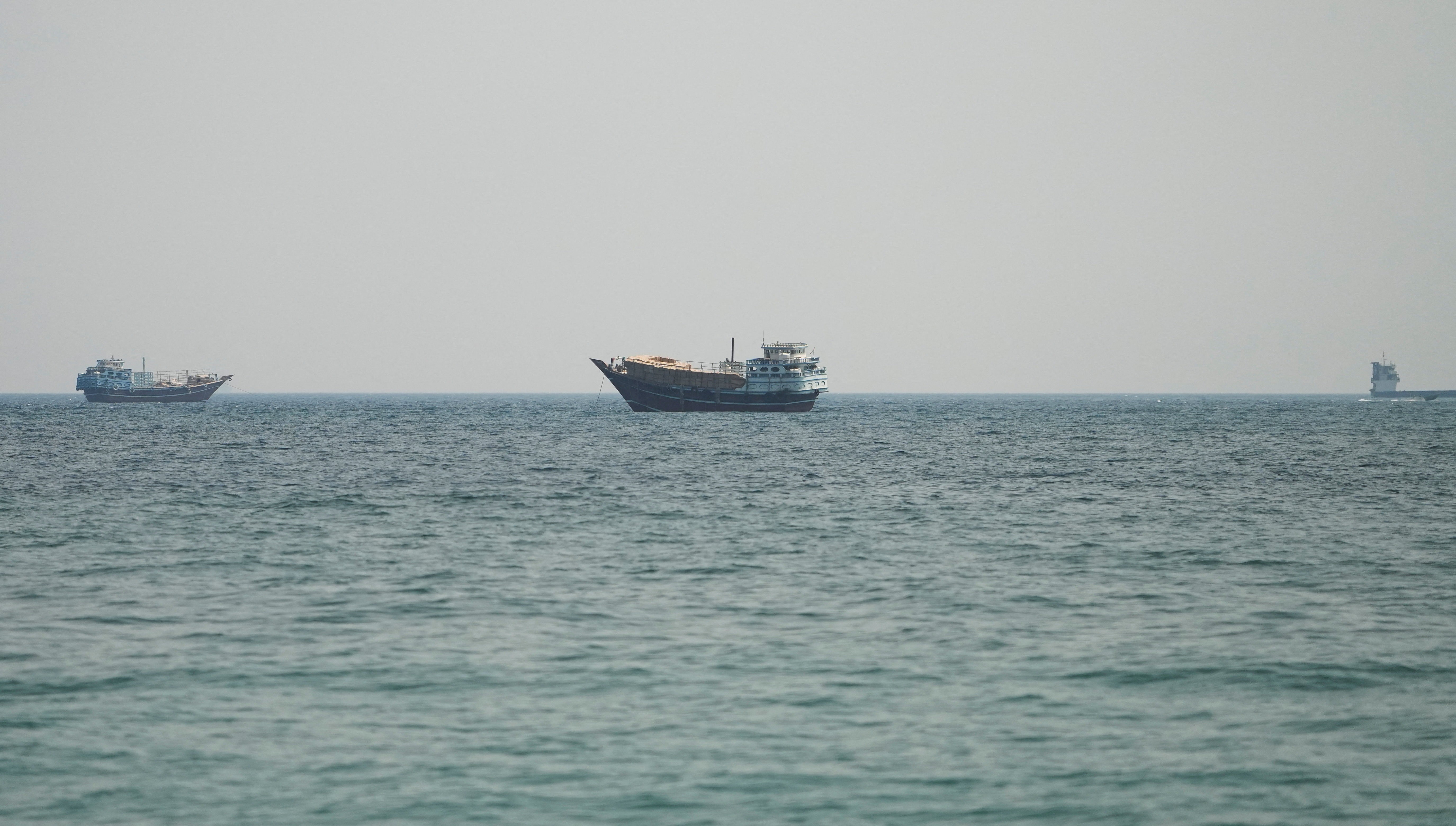
President Donald Trump declared the United States will "take control" of the Strait of Hormuz amid escalating conflicts with Iran. This statement follows a new round of U.S. strikes against Iran on Sunday, July 12th, which were launched in response to an Iranian attack on a container ship in the strait, leaving it ablaze and one crew member missing. U.S. military officials stated the objective is to degrade Iran's capacity to attack civilian and commercial vessels transiting the vital waterway. In retaliation for the initial Iranian action, Washington initiated strikes against targets within Iran. Tehran responded with attacks on Bahrain, Kuwait, Qatar, Jordan, and Oman, countries hosting U.S. military facilities or playing a strategic role in maritime traffic. U.S. forces subsequently struck Iranian missile systems, air defenses, and Islamic Revolutionary Guard Corps vessels. The Strait of Hormuz, a critical route for global oil and natural gas supplies, has become a focal point of tension, jeopardizing a provisional 60-day agreement aimed at ending the conflict. UN Secretary-General António Guterres warned that a return to large-scale hostilities would have catastrophic consequences. Iran claimed to have closed the strait, while the U.S. asserted it remains open, with over 140 ships transiting it in the past week. The conflict has impacted global energy prices, though they have fallen from their peak of $120 per barrel. Oman has summoned the Iranian ambassador to protest the attacks, calling Tehran's actions "irresponsible." The Iranian ship attacked was a Cyprus-flagged container vessel, sustaining significant damage, with one Indian national confirmed missing among the 23 rescued crew members.
The escalating military actions and rhetoric surrounding the Strait of Hormuz highlight the volatile geopolitical landscape of the region. The U.S. assertion of control over a vital international waterway, juxtaposed with Iran's claims of sovereignty and retaliatory strikes, underscores the complex interplay of national security interests, economic dependencies, and regional power dynamics. The involvement of multiple regional actors and the potential for broader conflict underscore the fragility of international maritime security. Future developments will likely be shaped by the effectiveness of diplomatic channels, the economic implications of disrupted trade routes, and the strategic calculations of major global powers navigating this critical chokepoint.
AI-generated to prompt reflection — not editorial opinion, not advice, not a statement of fact. How this works.