US Tourism Surges Late as World Cup Reaches Semifinals
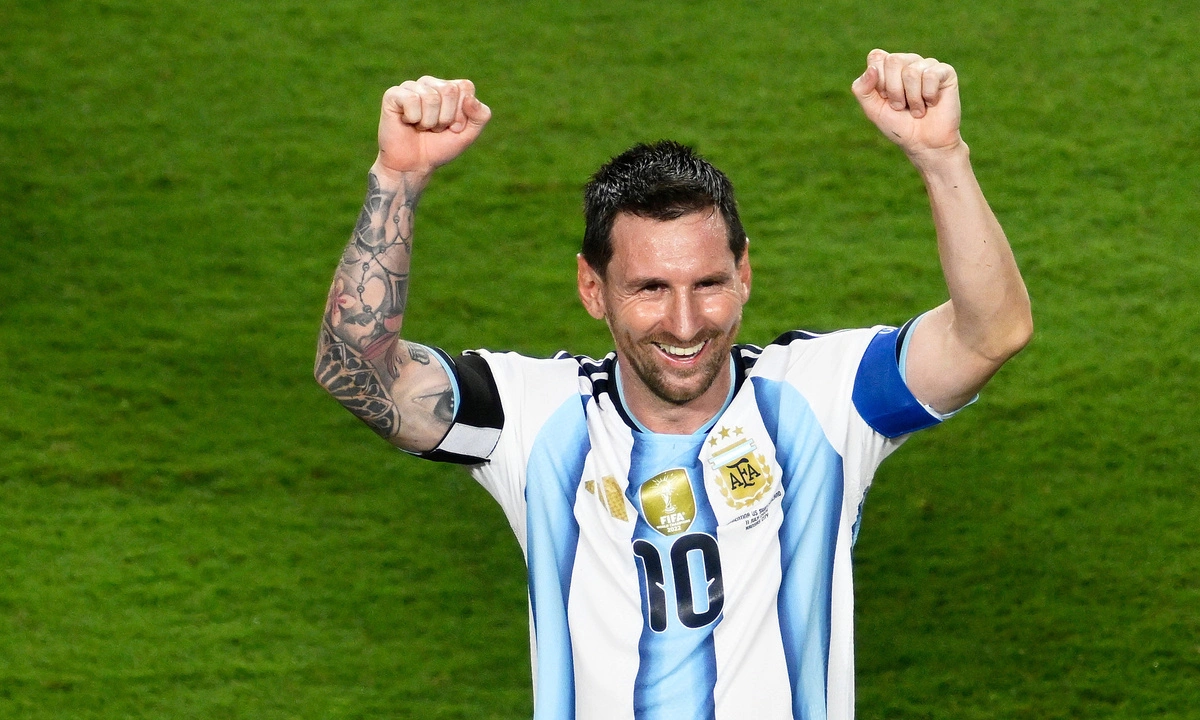
The US tourism market and hotels in World Cup host cities experienced a delayed boom, attributed to fans waiting to see the tournament's outcomes. This 'last-minute' surge in bookings indicates a strong correlation between major sporting events and travel demand. The anticipation of key matches, particularly as the World Cup entered its semifinal stage, appears to have been a significant factor in driving this late surge. Such phenomena highlight the dynamic nature of consumer behavior in response to global events. The World Cup's progression directly influenced travel decisions, demonstrating how international sporting spectacles can create concentrated periods of high economic activity in host regions. This trend underscores the importance of flexible planning for businesses in the hospitality sector to capitalize on unpredictable demand spikes.
The late surge in US tourism tied to the World Cup semifinals illustrates how major global events can create concentrated, albeit delayed, economic activity. This pattern suggests that while anticipation can drive demand, the timing of decision-making among consumers is highly sensitive to event progression. For the tourism and hospitality sectors, this highlights the need for agile operational models that can adapt to unpredictable booking windows. Understanding these behavioral economics is crucial for future event planning, potentially enabling more effective resource allocation and marketing strategies that account for fan psychology and the 'wait-and-see' approach to travel during high-stakes competitions.
AI-generated to prompt reflection — not editorial opinion, not advice, not a statement of fact. How this works.