US Trade and Tech Restrictions Aim for Summit Leverage, Chinese Analysts Say
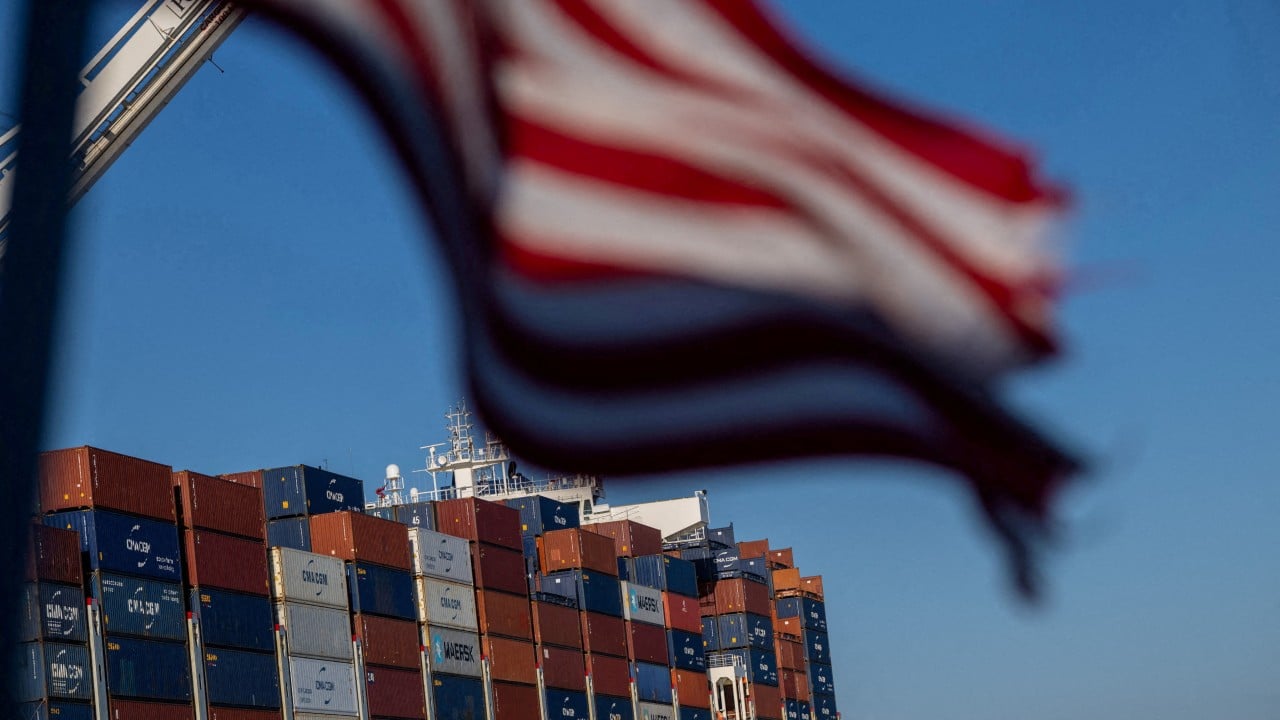
Chinese analysts believe that recent U.S. restrictions on trade, technology, and visas are strategically designed to enhance Washington's bargaining power before the presidential summit scheduled for September. These measures are seen as a deliberate effort to create leverage for discussions between President Donald Trump and Chinese President Xi Jinping. However, these analysts also express concern that such assertive pressure tactics could negatively impact the political climate leading up to the crucial meeting. The U.S. and China are currently working to define a new framework for their relationship, aiming for what they term 'constructive strategic stability.' The effectiveness of these U.S. pressure tactics in achieving desired outcomes at the summit remains a subject of debate among observers.
The U.S. strategy of employing trade and technology restrictions as leverage ahead of high-level diplomatic engagements presents a complex dynamic. While such tactics can exert economic pressure, they also risk escalating tensions and potentially undermining the broader objective of establishing stable bilateral relations. The efficacy of this approach depends on China's perceived room for maneuver and its own strategic priorities. Future interactions will likely be shaped by the interplay between competitive pressures and the mutual incentives for cooperation, particularly in areas critical to global stability. Navigating this requires a nuanced understanding of the potential for unintended consequences and the long-term implications for international economic and political architectures.
AI-generated to prompt reflection — not editorial opinion, not advice, not a statement of fact. How this works.