US Trade Deficit Surges 42% in May Amid Rising Imports, Despite Tariffs
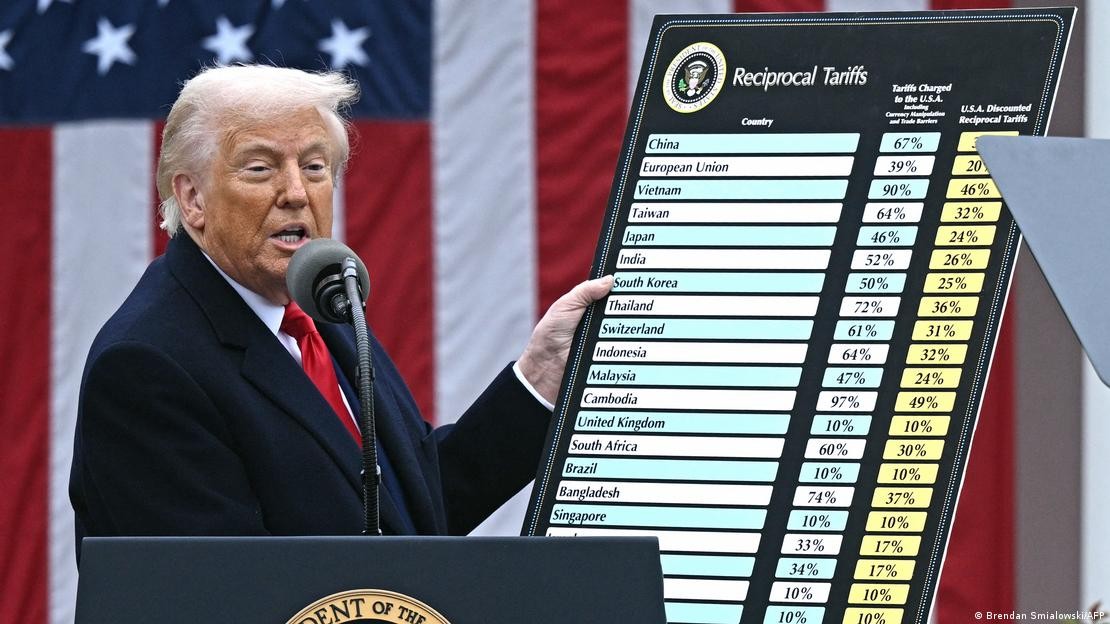
The United States experienced a significant 42.2% increase in its trade deficit in May, reaching $77.6 billion, as imports rose and exports declined. This widening gap between goods and services purchased from abroad and those sold internationally occurred despite the ongoing tariff policies implemented by the Trump administration. Imports climbed 3.3% to $395.3 billion, driven by increased purchases of consumer goods, crude oil, industrial inputs, automobiles, and computer equipment. The surge in imports was partly attributed to the demand for data center construction materials, influenced by investments in artificial intelligence, and potentially anticipatory buying to avoid future tariff hikes. Conversely, U.S. exports fell by 3.2% to $317.7 billion. While exports of crude oil and derivatives saw an increase following U.S. and Israeli actions against Iran, other products like pharmaceuticals registered a decline. The trade deficit's expansion in May contrasts with the intended effect of tariffs, which aim to boost domestic production and reduce foreign dependency. Experts suggest that retaliatory measures from other countries could also be impacting U.S. exports. The current global minimum tariff stands at 10%, with additional duties on sectors like steel and aluminum. The U.S. government is also pursuing new tariffs on various countries, including Brazil, through Section 301 investigations, though Brazil has opted out of hearings and is focusing on bilateral talks.
The widening U.S. trade deficit in May, despite protectionist tariff policies, highlights the complex interplay of global economic forces and corporate strategy. While tariffs aim to curb imports and stimulate domestic production, the data suggests that demand for essential goods, particularly those related to technological infrastructure like AI data centers, continues to drive international purchases. Furthermore, the anticipation of future tariff increases may be causing companies to front-load imports, temporarily distorting trade balances. This situation presents a systemic contradiction: policies designed to reduce trade deficits are being circumvented by market dynamics and strategic corporate behavior, potentially exacerbated by geopolitical events influencing supply chains. The effectiveness of tariffs as a sole tool for trade balance management appears limited when faced with robust import demand and the strategic adaptations of global businesses. Future policy considerations might need to integrate a more nuanced understanding of these underlying economic drivers and corporate incentives.
AI-generated to prompt reflection — not editorial opinion, not advice, not a statement of fact. How this works.