US Trade Policy Shifts: Has America's 'Tariff Wall' Isolated It?
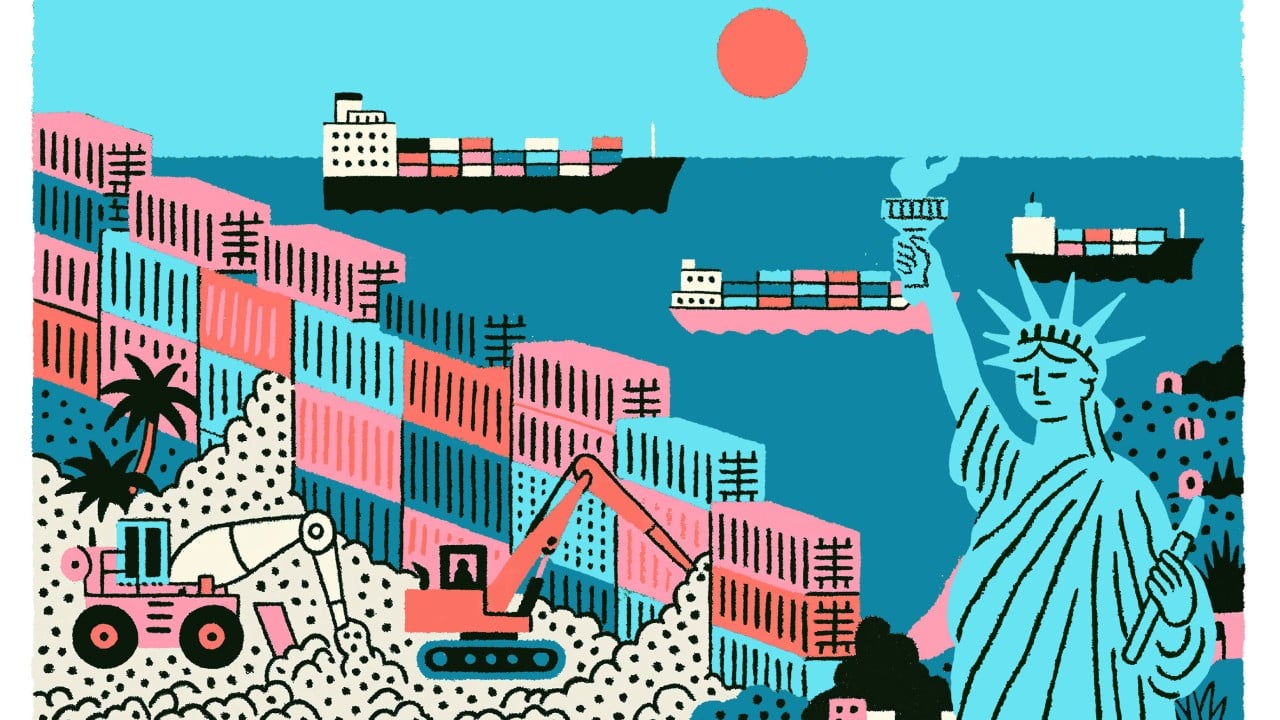
As the United States approaches its 250th anniversary, its global standing is increasingly defined by its relationship with China. This series explores various facets of this crucial connection, from technological competition to cultural influence. In this segment, Xinyi Wu analyzes how shifts in U.S. trade policy have disrupted the established international economic order. Former President Donald Trump's implementation of broad tariffs on goods from numerous trading partners marked a significant departure from previous U.S. trade strategies. These actions aimed to reshape global trade dynamics and protect domestic industries. However, the long-term consequences of these protectionist measures are now being assessed. The article suggests that these policies may have inadvertently created new challenges for the U.S. within the global economic system. The examination delves into the potential for the U.S. to find itself in a less advantageous position due to these trade decisions.
The strategic application of tariffs by the U.S. under the Trump administration represents a significant pivot in trade policy, moving away from multilateral agreements towards bilateral leverage. While intended to bolster domestic industries and address perceived trade imbalances, this approach has prompted a reevaluation of global supply chains and international economic cooperation. The long-term implications of such protectionist measures warrant careful consideration, particularly concerning potential retaliatory actions and the erosion of established trade norms. Future U.S. economic policy will likely grapple with balancing national interests against the interconnectedness of the global marketplace, navigating the complexities of technological competition and geopolitical alliances in the evolving world order.
AI-generated to prompt reflection — not editorial opinion, not advice, not a statement of fact. How this works.