US Trade Representative: Decision on Brazil Tariffs Coming 'Very Soon'
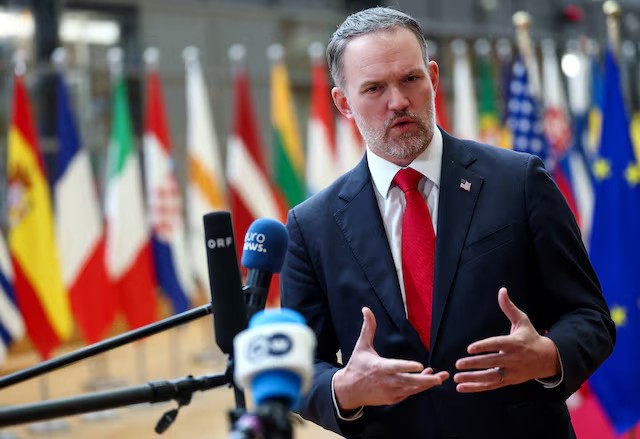
Jamieson Greer, a representative from the U.S. Department of Commerce, announced that a final decision on new tariffs for Brazilian imports will be made "very soon." He indicated that despite ongoing negotiations, a significant gap remains between the two countries. Greer stated that a legal deadline of July 15 necessitates this imminent decision. The proposed tariffs stem from investigations into issues such as illegal deforestation, piracy, and intellectual property rights, with former President Trump having proposed a 25% tariff on Brazilian goods on June 1st. The following day, additional 12.5% taxes were announced for 60 countries, including Brazil, due to perceived shortcomings in combating forced labor. However, a broad list of exceptions was provided in both instances to mitigate price increases within the American market. Public hearings were opened by the USTR on June 6th, with participation from Brazilian and American associations across various sectors including coffee, rice, sugar, ethanol, iron ore, and footwear. Abrão Neto, president of the American Chamber of Commerce for Brazil (Amcham), warned that new tariffs would harm both economies, negatively impacting U.S. producers and consumers while diminishing the competitiveness of Brazilian exports. He noted that U.S. trade share in Brazil has fallen to 11.2% in the first five months of 2026, the lowest on record, with U.S. imports from Brazil also declining by 11% in the same period. Neto cautioned that further tariffs could reduce U.S. commercial presence and economic influence in a key emerging market, potentially benefiting foreign competitors. Some industry representatives believe new tariffs are likely unavoidable but hope their scope can be adjusted to minimize negative impacts on the U.S. economy, particularly concerns that increased import costs could heighten U.S. supply chain reliance on China, contradicting the Trump administration's trade strategy.
The U.S. trade representative's statement signals an impending resolution to the tariff dispute with Brazil, driven by a legal deadline. While negotiations are ongoing, the stated distance between the parties suggests a decision may prioritize domestic policy objectives over immediate bilateral economic harmony. The proposed tariffs, linked to environmental and labor practices, reflect a broader trend of using trade policy as leverage for non-trade policy goals. The concerns raised by Amcham highlight the potential for retaliatory economic consequences and the risk of ceding market share to competitors, underscoring the complex interdependencies in global supply chains. The potential for increased reliance on China, a strategic rival, presents a systemic contradiction to stated U.S. trade objectives, suggesting a need for a more integrated approach to trade, security, and industrial policy in the coming decade.
AI-generated to prompt reflection — not editorial opinion, not advice, not a statement of fact. How this works.