US Trash Holds Untapped Potential for Rare Earth Elements
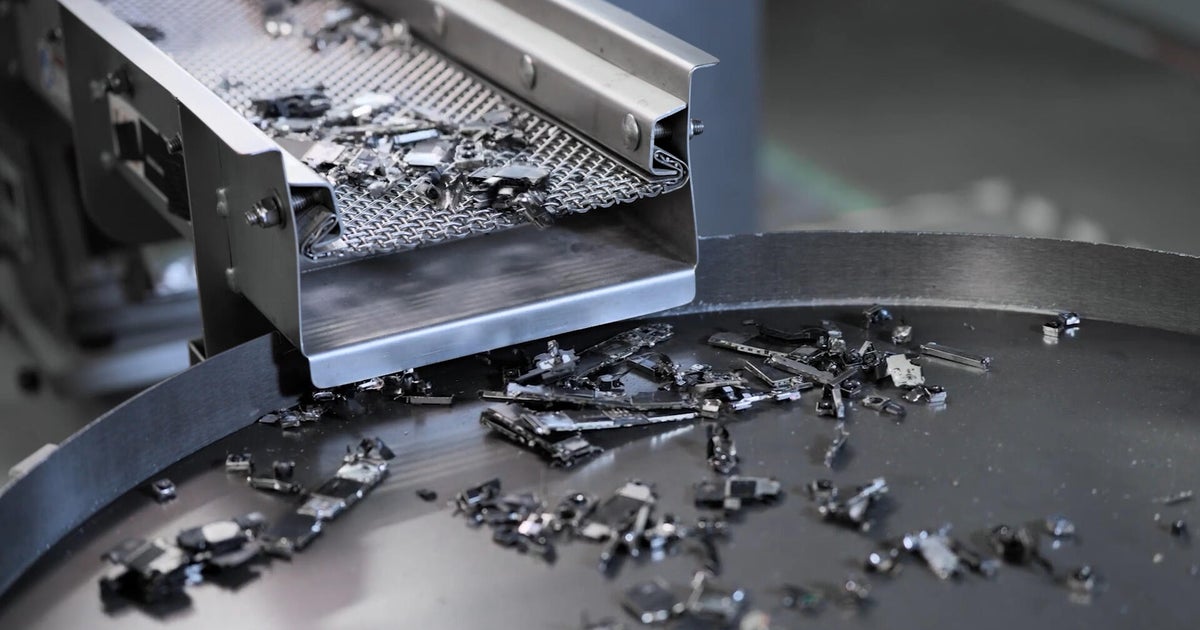
The United States possesses a significant, yet largely untapped, source of rare earth elements (REEs) within its own waste streams. Recycling existing materials presents a viable solution to meet the growing global demand for these critical minerals. As technological advancements, particularly in electronics and green energy, continue to accelerate, the need for REEs is projected to rise substantially. Currently, the U.S. relies heavily on foreign sources for these essential components, creating supply chain vulnerabilities. Developing robust recycling infrastructure could mitigate this dependence and foster domestic resource security. The process involves extracting REEs from discarded electronics, batteries, and other consumer goods. This approach not only addresses the resource scarcity issue but also contributes to environmental sustainability by reducing landfill waste. Further investment and innovation in recycling technologies are crucial to unlocking this domestic potential.
The prospect of extracting rare earth elements from waste streams highlights a critical intersection of resource management, technological demand, and environmental policy. This approach could significantly alter global supply chain dynamics, reducing reliance on geopolitical hotspots and potentially lowering extraction costs. However, the economic viability and scalability of such recycling processes remain key considerations. Technological innovation will be paramount in developing efficient and cost-effective methods for separating and purifying these elements from complex waste matrices. Furthermore, policy frameworks supporting collection, processing, and market incentives will be essential to foster a circular economy for rare earth elements, aligning resource utilization with long-term sustainability goals.
AI-generated to prompt reflection — not editorial opinion, not advice, not a statement of fact. How this works.