US Troop Casualties in Iran Conflict Exceed 600, Sparking Controversy
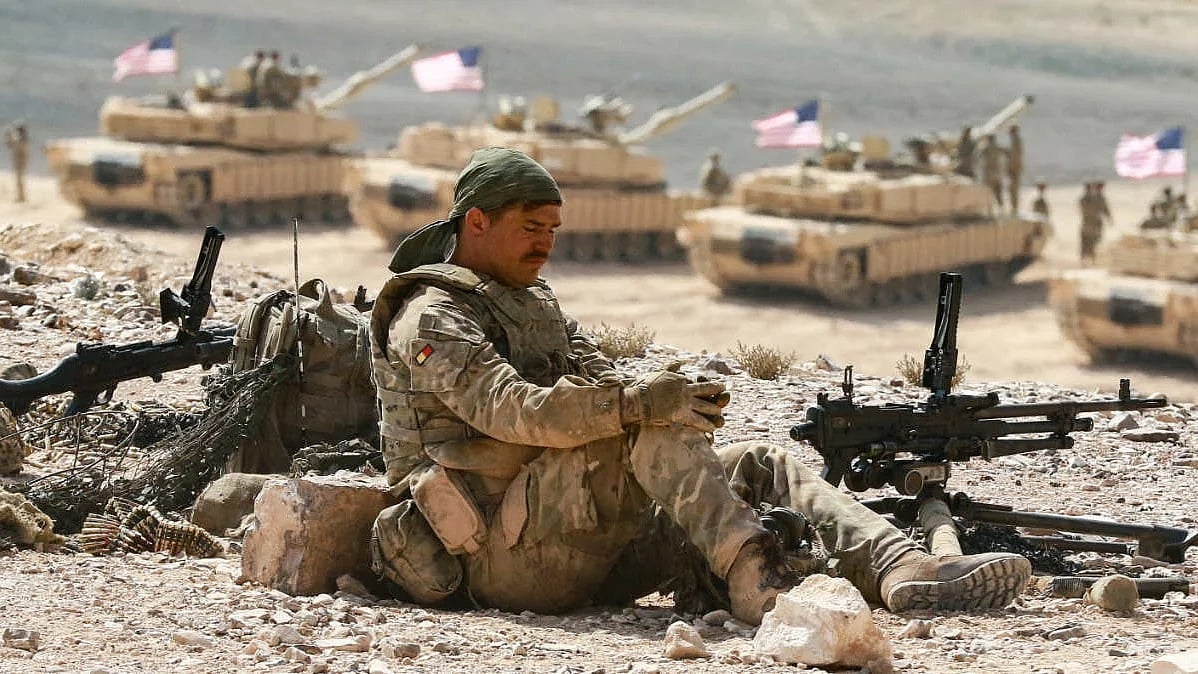
More than 600 U.S. service members have been injured since the start of the Iran conflict in February, according to newly released figures. The latest data indicates a total of 624 U.S. troops injured and 18 killed. The U.S. Department of Defense introduced a new reporting system on Sunday to track casualties, dividing them into 'Operation Epic Fury' and 'Overseas Operations.' However, this new methodology has faced severe accusations of data concealment and a lack of transparency.
Under the revised system, 207 individuals serving in the U.S. military have been injured since July 7, with 182 of them being soldiers. Officials noted that approximately 96% of those injured since July 7 have already recovered and returned to duty. This new categorization and reporting change has drawn intense criticism from U.S. policymakers. Democratic senators have expressed strong dissatisfaction with the division of casualty names into two categories. Retired Lieutenant General Ben Hodges, former commander of U.S. forces in Europe, directly questioned the accuracy of these figures. Republican Congressman Thomas Massie, a critic of former President Trump, labeled the new division a 'ridiculous gimmick.'
U.S. officials have described the discrepancies as a 'temporary data glitch' and stated that efforts are underway to resolve these procedural errors promptly. Meanwhile, U.S. military operations in Iran have been halted for the past three days due to concerns about ammunition shortages, although President Trump asserted that forces are prepared for any situation.
The U.S. Department of Defense's introduction of a new casualty reporting system, bifurcating figures into 'Operation Epic Fury' and 'Overseas Operations,' has generated significant controversy and accusations of opacity. While officials attribute discrepancies to a 'temporary data glitch' and emphasize high recovery rates for recent injuries, critics like Senatorial Democrats, former military leaders, and congressional members perceive this as an attempt to obscure the true human cost of the conflict. The shift in reporting methodology, occurring amidst operational pauses due to ammunition concerns, raises questions about strategic transparency and accountability. In the context of an evolving geopolitical landscape and the increasing integration of AI in military operations, clear and consistent data dissemination is crucial for public trust and informed policy debate, particularly when assessing the long-term sustainability and efficacy of military engagements.
AI-generated to prompt reflection — not editorial opinion, not advice, not a statement of fact. How this works.