US Troops to Fully Withdraw from Iraq by September 2026
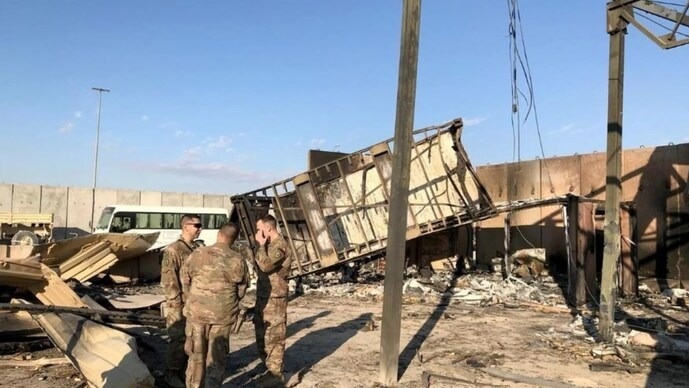
The United States military, which entered Iraq 23 years ago to overthrow Saddam Hussein, will complete its full withdrawal by September 2026. This decision is being linked to Iran's long-standing strategy and the shifting power dynamics in West Asia following recent conflicts. The presence of American forces in Iraq began in March 2003, marking a significant military intervention in the region. The impending withdrawal signals a major change in the geopolitical landscape of the Middle East. Analysts are observing how this departure will influence regional stability and the roles of various international and local actors. The timing of the withdrawal is particularly noteworthy, occurring amidst ongoing regional tensions and evolving political alliances. This move could potentially reshape the security architecture of West Asia, with implications for both regional powers and international relations. The complete exit of US forces marks the end of a prolonged military engagement in Iraq.
The impending withdrawal of US forces from Iraq by September 2026, a decision reportedly linked to former President Trump's agenda and Iran's regional strategy, signifies a potential recalibration of international military presence in West Asia. This shift could create opportunities for regional powers to assert greater influence, potentially altering existing security arrangements. The move highlights the complex interplay of geopolitical ambitions, historical interventions, and evolving threat perceptions in the region. As the US disengages, the focus will likely turn to the capacity of Iraqi security forces and the potential for increased regional cooperation or competition to fill the vacuum, underscoring the importance of stable governance and balanced power dynamics for long-term regional security.
AI-generated to prompt reflection — not editorial opinion, not advice, not a statement of fact. How this works.