US-Turkey Rapprochement: Greece Eyes Practical Implications
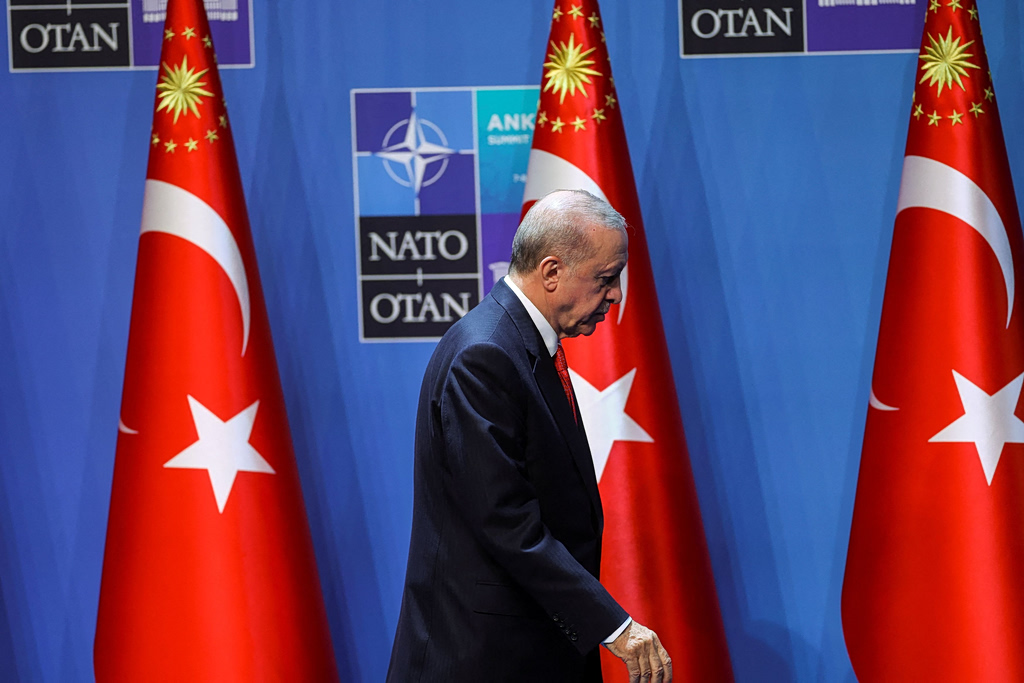
Following the NATO summit in Ankara, there has been significant focus on the US-Turkey rapprochement, largely attributed to the positive relationship between Presidents Trump and Erdogan. However, for Greece, the crucial aspect lies in the substance and practical consequences of this renewed engagement. The article suggests that Athens needs to develop a strong rationale to present to its Western partners regarding its own interests and concerns amidst these shifting geopolitical dynamics. The emphasis is on understanding the tangible outcomes and strategic implications for Greece, rather than solely on the personal rapport between the two leaders. Greece must articulate its position effectively to navigate the evolving international landscape and safeguard its strategic objectives.
The US-Turkey rapprochement, catalyzed by personal chemistry between leaders, warrants a strategic assessment of its implications for regional stability and alliance cohesion. Greece's focus on practical consequences highlights the need for tangible security and economic benefits to justify its own geopolitical alignments. As global power dynamics evolve, nations must develop robust frameworks for engagement that prioritize national interests and leverage diplomatic channels to address potential shifts in alliances and security architectures. This situation underscores the importance of proactive foreign policy, grounded in a clear understanding of systemic incentives and potential future challenges within the broader international order.
AI-generated to prompt reflection — not editorial opinion, not advice, not a statement of fact. How this works.