US-Turkey Relations: F-35s, S-400s, and NATO Summit Fallout
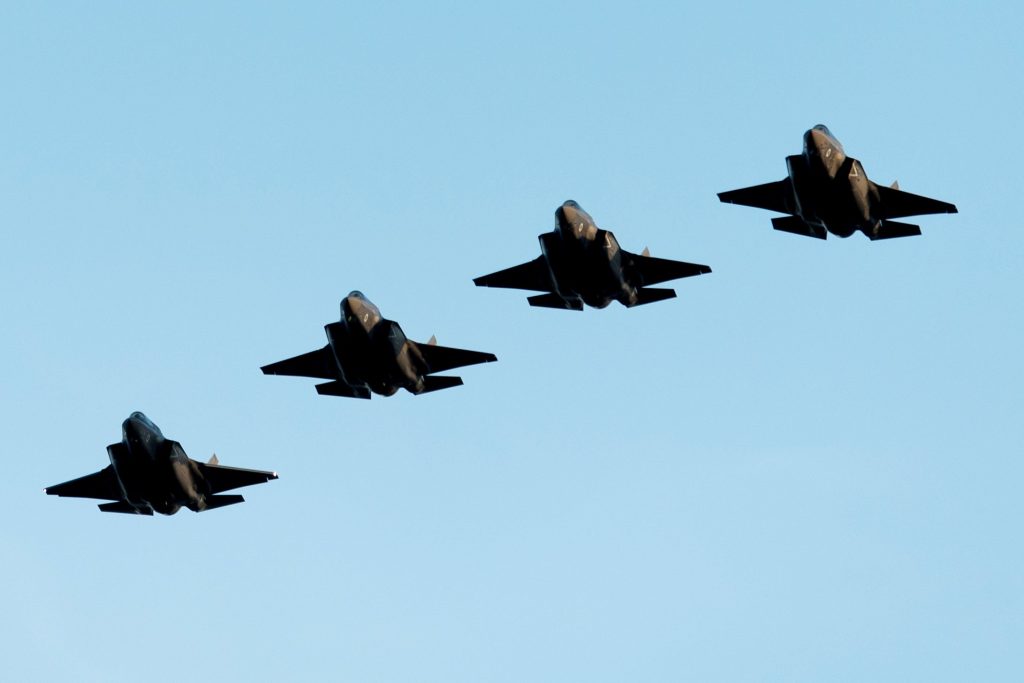
Following the NATO Summit in Ankara, former U.S. President Donald Trump indicated a willingness to reconsider sanctions under the Countering America's Adversaries Through Sanctions Act (CAATSA) and potentially reinstate Turkey in the F-35 fighter jet program. This development has reignited the core issue in the U.S.-Turkey dispute: Turkey's possession of Russian S-400 air defense systems. Ankara's ability to maintain the S-400s in operational status while also participating in U.S.-led defense initiatives remains a significant point of contention. The S-400 acquisition led to Turkey's removal from the F-35 program and subsequent U.S. sanctions. Trump's statements suggest a potential shift in U.S. policy, aiming to de-escalate tensions and potentially reintegrate Turkey into strategic alliances. However, the technical and security implications of Turkey operating both Russian and Western military hardware are complex. The U.S. has previously expressed concerns that the S-400 system could compromise the security of advanced Western aircraft like the F-35. The future of this issue will likely depend on further diplomatic negotiations and Turkey's willingness to address U.S. security concerns regarding the S-400s.
The interplay between Turkey's acquisition of Russian S-400 missile systems and its participation in NATO, particularly the F-35 program, highlights a persistent geopolitical challenge. From a strategic perspective, dual reliance on disparate military hardware from competing global powers creates inherent vulnerabilities and complicates interoperability within alliances. The U.S. incentive structure often prioritizes alliance cohesion and technological security, while Turkey's calculus may involve national sovereignty, defense industrial policy, and balancing relationships with multiple global actors. The potential for sanctions relief and F-35 reinstatement, as suggested by former President Trump, could signal a pragmatic shift aimed at realigning strategic interests. However, the long-term implications of such a recalibration will depend on whether underlying security concerns regarding technology transfer and alliance integrity can be adequately addressed, potentially influencing future defense procurement decisions across allied nations.
AI-generated to prompt reflection — not editorial opinion, not advice, not a statement of fact. How this works.