US-Turkey Relations Remain Strained Despite NATO Summit
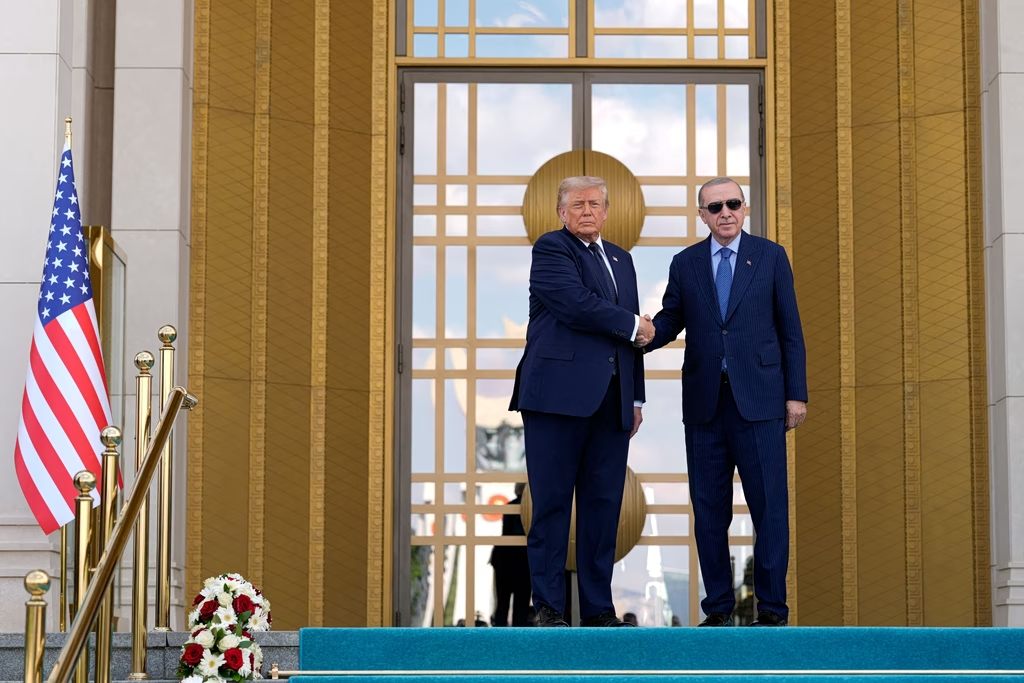
The recent NATO summit in Ankara did not serve as a catalyst for revitalizing US-Turkish relations, despite apparent positive gestures between Presidents Donald Trump and Recep Tayyip Erdoğan. While the summit featured formal ceremonies and mutual praise, the underlying issues impacting the bilateral relationship remain unresolved. President Trump expressed positive intentions towards Turkey, but the broader context suggests that these diplomatic niceties did not translate into significant breakthroughs. The meeting aimed to foster a renewed sense of cooperation, but the deep-seated disagreements and strategic divergences continue to cast a shadow over the alliance. Specifics regarding the nature of these disagreements or the exact outcomes of the summit beyond the public statements were not detailed. The overall sentiment indicates a continued complexity in the partnership, with underlying tensions persisting despite efforts to project a unified front.
The summit's outcome suggests that high-level diplomatic engagements, while important for maintaining communication channels, are insufficient to overcome fundamental strategic divergences between the US and Turkey. The persistent challenges in the relationship likely stem from differing geopolitical priorities, security concerns, and alliance expectations. Future US-Turkish relations will depend on whether both nations can find common ground on key issues such as regional security, defense cooperation, and adherence to alliance norms. The dynamic between alliance solidarity and individual national interests will continue to shape their interactions, requiring careful navigation to ensure mutual benefit and stability within NATO.
AI-generated to prompt reflection — not editorial opinion, not advice, not a statement of fact. How this works.