US Turns World Cup Into Entertainment Spectacle
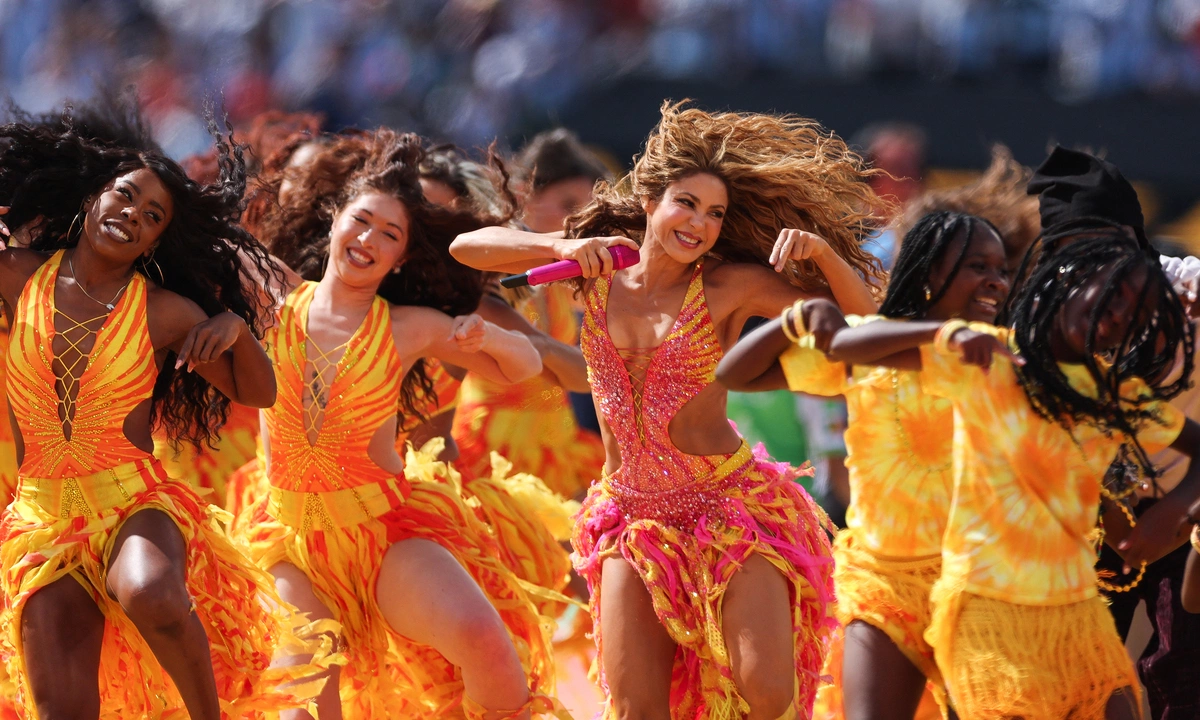
Former football star Wayne Rooney criticized the halftime show of the 2026 World Cup final as "nonsense." Despite his critique, billions of viewers remained engaged with the event. The event, hosted in the United States, appears to have prioritized entertainment value alongside the sporting competition. This approach suggests a strategy to broaden the appeal of the World Cup beyond traditional football fans. The integration of entertainment elements aims to create a more comprehensive spectator experience. This aligns with broader trends in major sporting events seeking to maximize global audience engagement. The success of this strategy will likely be measured by viewership numbers and overall public reception.
The 2026 World Cup's integration of entertainment alongside the sporting event reflects a strategic shift by US organizers to maximize global audience engagement and commercial opportunities. This approach leverages the immense popularity of major sporting events to create a broader entertainment spectacle, potentially appealing to demographics beyond traditional sports enthusiasts. While this strategy can enhance viewership and revenue, it also raises questions about the balance between athletic competition and commercialized entertainment. Future events may need to navigate the tension between preserving the integrity of the sport and meeting the demands of a diversified, entertainment-seeking global audience in the digital age.
AI-generated to prompt reflection — not editorial opinion, not advice, not a statement of fact. How this works.