US VP Vance Claims Israeli Officials Tried to Influence US Stance on Iran Deal
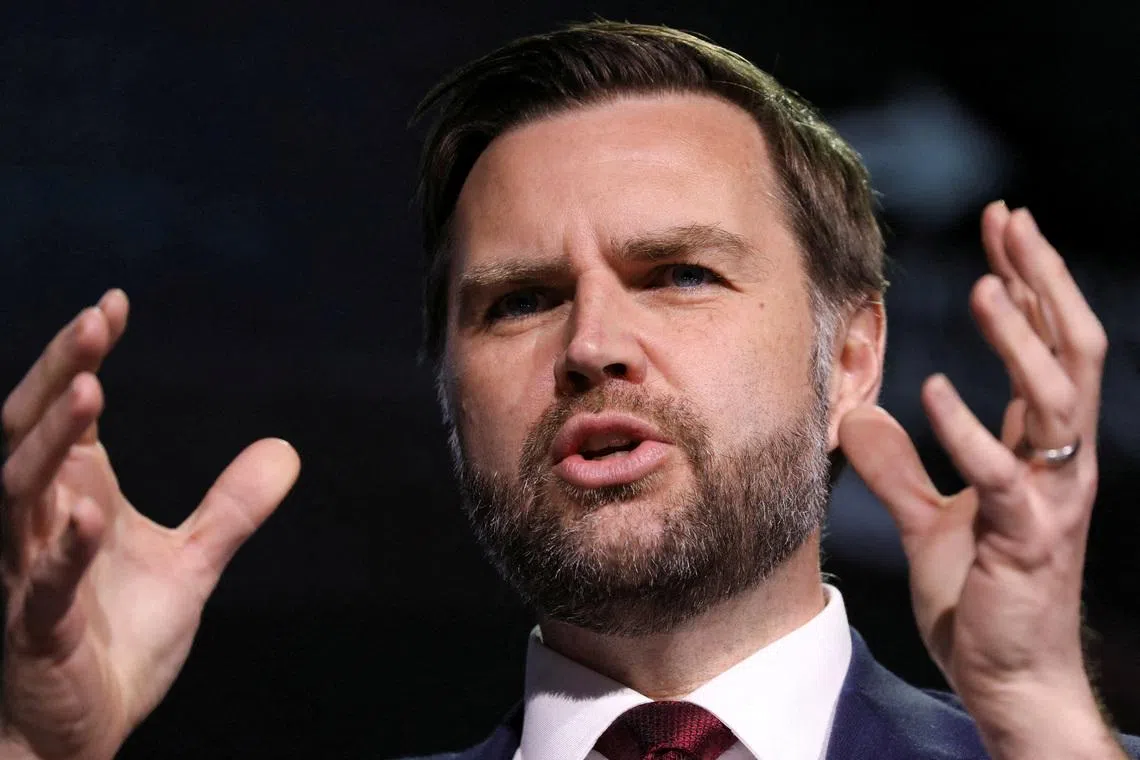
U.S. Vice President JD Vance stated that certain individuals within the Israeli government attempted to sway American public opinion against a potential U.S. agreement to end the conflict with Iran. Vance made these remarks during an episode of the "Joe Rogan Experience" podcast, which was released on Wednesday. The specific individuals or the exact nature of their influence campaign were not detailed in the provided information. The U.S. has been engaged in diplomatic efforts concerning Iran, with the specifics of any potential deal remaining a subject of ongoing international discussion. This assertion by Vice President Vance adds another layer to the complex relationship between the United States and Israel, particularly concerning regional security and foreign policy decisions. The podcast episode where these comments were made was posted on July 16th. The context of the discussion revolved around U.S. foreign policy and international relations. Vance's statement suggests a divergence in strategic interests or approaches between elements of the Israeli government and the current U.S. administration regarding Iran. Further details regarding the alleged attempts at influence were not disclosed.
Vice President Vance's assertion highlights the intricate geopolitical dynamics and lobbying efforts that often characterize international relations, particularly concerning nations with significant security interests like Israel and major global powers like the United States. The statement, if substantiated, points to potential friction points in bilateral relations and the challenges of achieving consensus on foreign policy objectives, especially regarding sensitive issues such as Iran's nuclear program or regional influence. It underscores the importance of transparency in foreign influence operations and the need for robust governmental oversight to ensure that national policy decisions are based on domestic interests rather than external pressures. The dynamic also raises questions about the efficacy of diplomatic channels versus public opinion campaigns in shaping policy outcomes in the digital age.
AI-generated to prompt reflection — not editorial opinion, not advice, not a statement of fact. How this works.