US Walks Out of UN Security Council Session Amid Heated Exchange with France
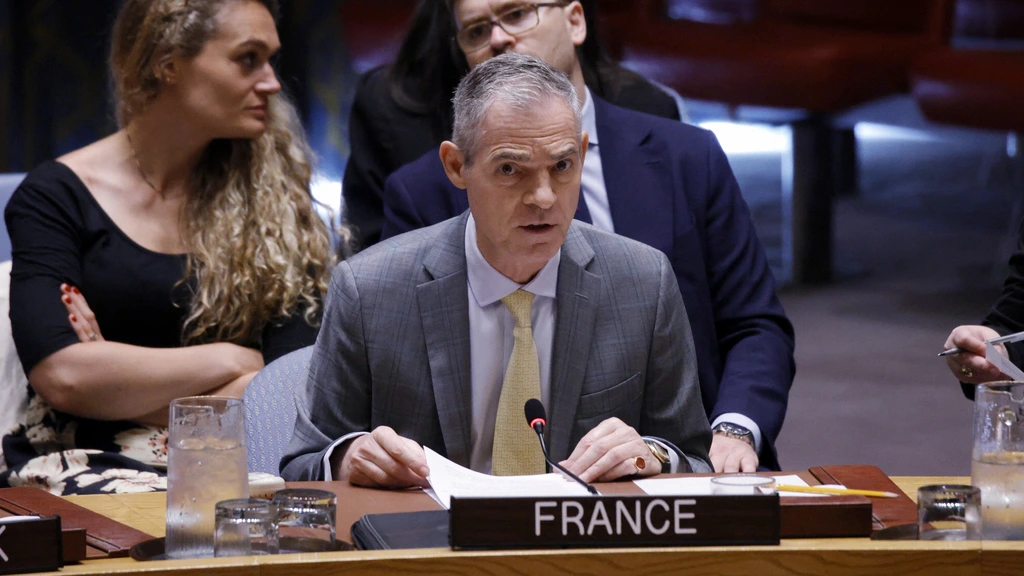
The United States delegation dramatically walked out of a United Nations Security Council session in protest against criticism from France regarding US human rights policies. The US representative dismissed the French critique as "politicized nonsense" and "underhanded theater," highlighting current tensions between the two nations and other NATO allies. The dispute originated from a vote on extending the term of the UN's human rights chief. This official had previously issued strong criticism concerning actions in Gaza, the war in Ukraine, and US immigration policies during the World Cup. While 144 countries voted for the extension, 10, including the US, voted against it. France's UN mission responded on X, stating the US, once a beacon of human rights, now stands isolated with countries like North Korea and Russia. The US delegation departed when the French ambassador began speaking during a session focused on Ukraine. Upon their return, the US representative accused France of feigning moral outrage and engaging in condescending rhetoric, asserting that the US has historically supported France in conflicts threatening its freedom. The US delegation stated they would not listen to further "political nonsense" until France distanced itself from its disrespectful remarks and adopted behavior befitting its seat on the council.
This diplomatic rupture within the UN Security Council underscores the complex geopolitical landscape where human rights discourse is increasingly weaponized. The exchange reveals a divergence in how key allies perceive and address global human rights issues, potentially reflecting differing national interests and strategic priorities. The US departure and subsequent rhetoric suggest a strategic decision to contest the framing of human rights accountability, possibly to preemptively counter international criticism of its own policies. This incident highlights the challenge of maintaining unified Western fronts on human rights when domestic policies become subjects of international scrutiny, potentially impacting future multilateral cooperation on human rights initiatives and the credibility of international human rights mechanisms.
AI-generated to prompt reflection — not editorial opinion, not advice, not a statement of fact. How this works.