US War with Iran Costs Billions, Faces Criticism Ahead of Elections
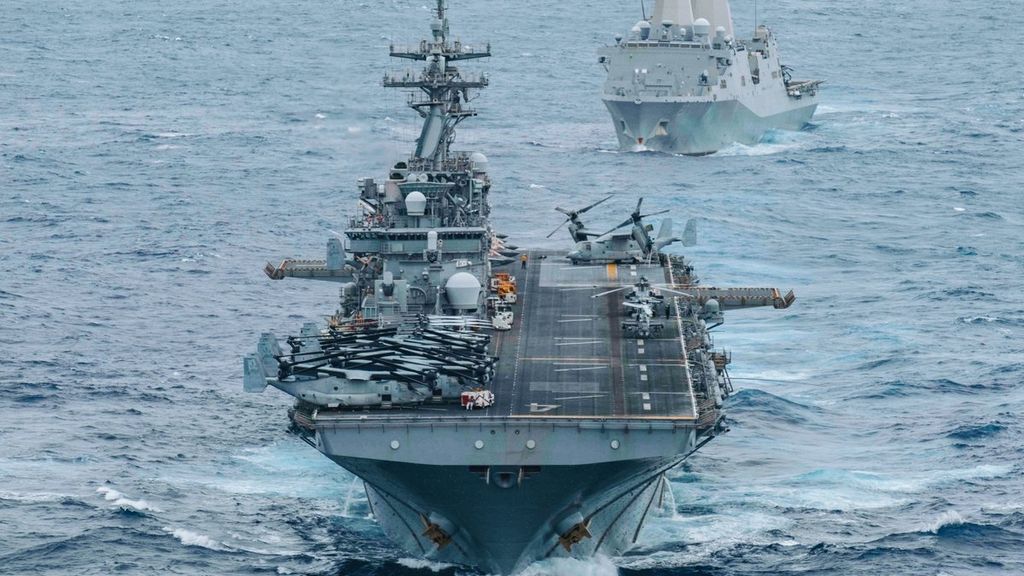
The conflict with Iran has already cost the United States approximately $33 billion, according to Defense Secretary Hegseth, who testified before the Senate. He was defending President Trump's request for an additional $79 billion for the defense budget, largely earmarked for the ongoing war. The accuracy of the $33 billion figure is uncertain, as the Department of Defense has not detailed its calculation method. Earlier, a Reuters source indicated the war, which began on February 28, cost $10 billion in its first six days. With parliamentary elections approaching in November, the war's escalating costs and the administration's perceived inability to end it have become significant election issues. Republicans hold narrow majorities in both houses of Congress, which are at risk of being lost. Some Republicans in the House of Representatives are reportedly considering voting against the additional war funding. Despite President Trump's repeated claims of victory and an imminent end to the conflict, the war has persisted, leading Democratic Senator Patty Murray to express concern about it becoming an "endless war." Critics point to contradictory statements from the administration regarding the war's status. A recent AP poll indicates that a majority of Americans disapprove of the Trump administration's handling of Iran. The conflict has disrupted shipping through the Strait of Hormuz, contributing to global fuel price increases, and is seen by some as a violation of Trump's campaign promise to avoid prolonged military engagements. Recent escalations include daily U.S. attacks on Iran aimed at degrading its ability to target commercial shipping, and Iranian attacks on U.S. military bases in Kuwait, Jordan, and Bahrain. The war has resulted in thousands of Iranian casualties, with 18 U.S. service members killed and 450 wounded.
The conflict's financial burden, exceeding $33 billion and potentially requiring an additional $79 billion, presents a significant fiscal challenge, particularly as it coincides with a critical election cycle. The administration's messaging inconsistencies regarding the war's progress and conclusion may be perceived by voters as a lack of transparency or strategic clarity, potentially impacting electoral outcomes for the incumbent party. The disruption to global trade routes, specifically the Strait of Hormuz, highlights the interconnectedness of geopolitical stability and economic well-being, demonstrating how regional conflicts can have far-reaching global consequences. Looking ahead, the sustainability of such protracted military engagements, especially when juxtaposed with domestic priorities and electoral mandates, warrants careful consideration of long-term strategic objectives versus immediate costs and political viability.
AI-generated to prompt reflection — not editorial opinion, not advice, not a statement of fact. How this works.