US Warns Iran on Strait of Hormuz, Claims Tehran is Eager to Negotiate
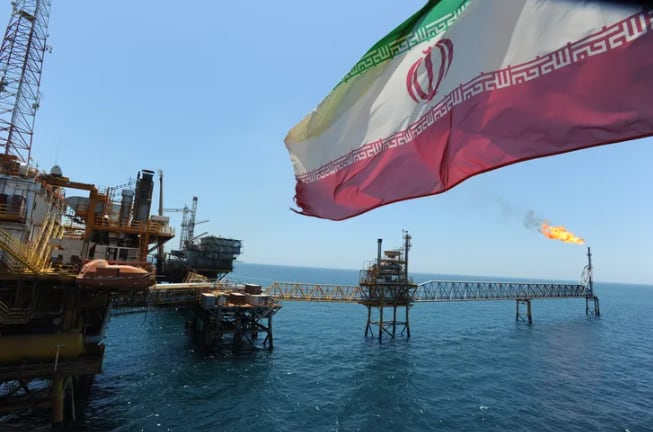
The United States has issued a stern warning to Iran regarding potential actions in the Strait of Hormuz, stating that any attack would be met with a tenfold response. President Trump indicated that the U.S. is not interested in negotiations until Iran is prepared for meaningful discussions. This statement suggests a perceived desperation on Iran's part to engage in talks, according to U.S. officials. The U.S. stance implies a willingness to escalate military action if provoked in the strategically vital waterway. The administration's position highlights a dual approach of deterrence and conditional engagement with Iran. The emphasis on "meaningful" negotiation underscores a desire for substantive progress rather than superficial dialogue. This diplomatic posture reflects ongoing tensions and strategic calculations in the region.
The U.S. administration's rhetoric regarding Iran's willingness to negotiate and its conditional stance on engagement in the Strait of Hormuz highlights a complex geopolitical strategy. By publicly asserting Iran's "desperation" for talks while simultaneously threatening a disproportionately strong military response, the U.S. appears to be employing a "maximum pressure" tactic. This approach aims to compel Iran towards concessions by leveraging both diplomatic isolation and the credible threat of overwhelming force. However, such a strategy carries inherent risks, potentially escalating regional instability or pushing Iran towards more defiant actions if its perceived options narrow. The effectiveness of this dual approach will depend on Iran's strategic calculus and the broader regional power dynamics, particularly concerning the perceived incentives for de-escalation versus confrontation in the coming decade.
AI-generated to prompt reflection — not editorial opinion, not advice, not a statement of fact. How this works.