US Wars: The Persistent Difficulty of Achieving Short, Decisive Victories
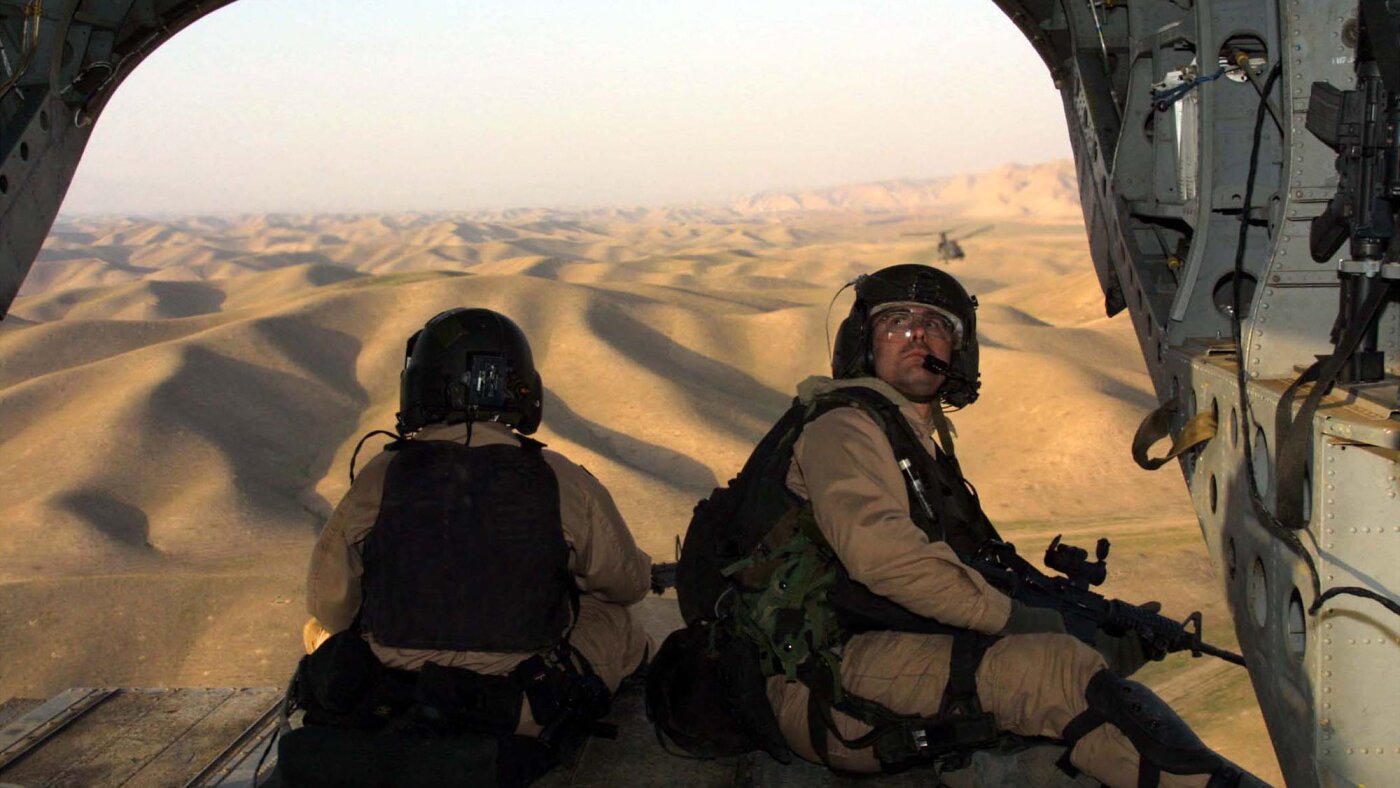
US presidents have consistently aimed for swift and decisive military engagements in conflicts such as those in Afghanistan, Iraq, and Iran. However, these wars have invariably proven to be far more challenging and protracted than initially projected. Consequently, the political objectives established at the outset of these operations have largely remained unmet. The pattern suggests a recurring disconnect between the stated aims of US military interventions and their actual outcomes. This difficulty in achieving clear-cut victories raises questions about the strategic planning and execution of these prolonged conflicts. The historical record indicates a consistent struggle to translate military force into the desired political resolutions.
The recurring pattern of US military interventions exceeding initial expectations and falling short of political goals suggests a potential disconnect between strategic objectives and on-the-ground realities. This phenomenon may stem from underestimating the complexities of local socio-political landscapes, the resilience of non-state actors, or the challenges of nation-building post-conflict. Future strategic planning might benefit from more robust scenario-testing that incorporates a wider range of potential outcomes and longer-term stabilization requirements, moving beyond purely kinetic objectives to encompass comprehensive political and social integration strategies. Understanding the long-term sustainability of military engagements and their alignment with evolving geopolitical dynamics will be crucial in the coming decade.
AI-generated to prompt reflection — not editorial opinion, not advice, not a statement of fact. How this works.