US Water Systems Targeted by Cyberattacks; Iran Suspected
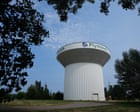
Federal authorities have issued a warning about malicious cyber actors targeting water and wastewater facilities across at least seven U.S. states. Minnesota was the most affected, with 30 of its water systems experiencing cyber-attacks. These attacks resulted in disruptions such as low water pressure and boil-water advisories for residents. However, officials have reported no instances of drinking water contamination. While former President Trump has attempted to attribute blame to Minnesota Governor Tim Walz, current suspicions among officials point towards Iran as the perpetrator behind these infrastructure attacks. The full extent of the damage and the specific methods used are still under investigation.
The cyberattacks on U.S. water infrastructure highlight critical vulnerabilities in the nation's essential services. While attribution is complex and often politically charged, the focus on potential state-sponsored actors like Iran underscores the evolving landscape of geopolitical conflict extending into cyberspace. This incident prompts a review of cybersecurity protocols for critical infrastructure, emphasizing the need for robust defenses and rapid response capabilities. Future investments should prioritize hardening these systems against increasingly sophisticated threats, recognizing that disruptions to water supply can have cascading societal and economic impacts. The situation also necessitates a clear, de-escalatory communication strategy from government officials to avoid misinformation and maintain public trust.
AI-generated to prompt reflection — not editorial opinion, not advice, not a statement of fact. How this works.
