US Weekly Jobless Claims Hit 10-Week Low
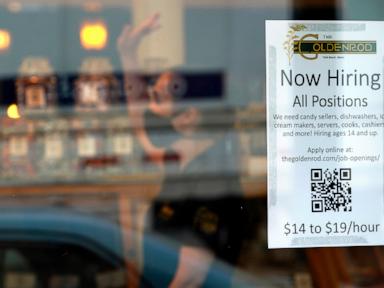
Initial claims for U.S. unemployment benefits decreased last week, reaching the lowest point in ten weeks. This decline indicates that layoffs across the nation are continuing at historically low levels. The figures suggest a resilient labor market, with fewer individuals seeking aid due to job loss. This trend has been observed over the past several months, pointing to sustained employer confidence and a tight labor market. The number of people filing for unemployment remains significantly below pre-pandemic averages. This data point is a key indicator of the health of the U.S. economy and its ability to absorb shocks. While specific figures for the exact number of claims were not provided in the original text, the trend signifies ongoing stability in employment. The low level of claims suggests that companies are hesitant to lay off workers, possibly due to difficulties in rehiring in the current economic environment. This pattern is generally viewed as a positive sign for economic growth and stability.
The consistent decline in weekly unemployment claims to a ten-week low, alongside historically low layoff rates, reflects a robust U.S. labor market. This suggests that employers are prioritizing retention, likely influenced by the ongoing challenges of recruitment and the broader economic outlook. From a systems perspective, this tight labor market can create upward pressure on wages, potentially contributing to inflation dynamics. However, it also signals strong consumer demand and business confidence. Looking ahead, the sustainability of this trend will depend on factors such as interest rate policies, global economic conditions, and technological advancements impacting labor needs. The data implies that the current economic structure is favoring labor over capital in the short to medium term, a dynamic that may evolve as AI integration accelerates.
AI-generated to prompt reflection — not editorial opinion, not advice, not a statement of fact. How this works.